
Write something
Pinned

⭐
🔥
15h •
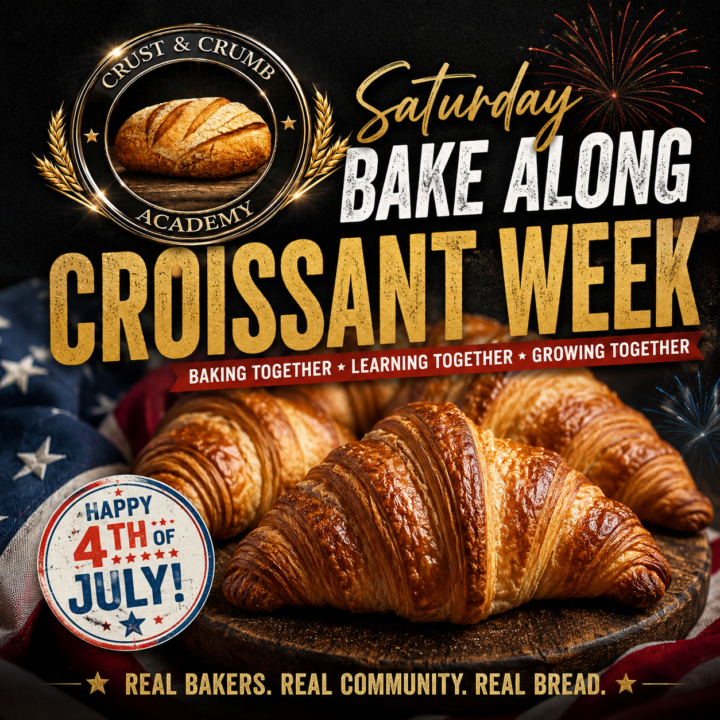
🇺🇸 SATURDAY BAKE-ALONG: CROISSANT DAY 🥐🎆
Well, here we are. Bake day. And it landed on the Fourth of July, so let’s make something beautiful today. 🇺🇸 Most of you have your dough or your butter blocks resting in the fridge right now, which means the hard part is behind you. Today’s the payoff. We shape, we proof, we bake. Here’s the game plan: 🥐 Pull your dough, roll it out long, cut your triangles, and shape ⏳ Proof until puffy and jiggly. This is the make-or-break step, so don’t rush it. French folks, you’re looking at a couple hours. Sourdough, yours runs longer, 3 to 5, so be patient with it. 🔥 Egg wash, then bake to a deep mahogany. Pale is underbaked. Let that color build. Now, two things about the heat. 🎇 First, the real one. This heat wave across the country is dangerous, not just uncomfortable. Drink your water, stay cool, and check on the older folks and neighbors around you. Your bread can wait. You come first. Take care of yourselves out there. 🇺🇸 Second, that same heat is sitting in your kitchen. Your final proof has to stay under 78F or the butter melts and weeps out before the croissants ever hit the oven. Find the coolest room in the house. If your kitchen’s running warm, the fridge is still your friend, use it to hold the proof steady. Keep a close eye today, because in this heat they can over-proof faster than you’d think. This thread is home base all day. 🎆 Post your progress right here. Your shaped croissants, your proof, your first tray out of the oven, your crumb shots when you cut in. And if you hit a snag, butter leaking, dough fighting you, proof looking off, drop it in the comments and I’ll walk you through it. I’m around all day. Let’s bake, everybody. 🇺🇸🥐 Perfection is not required. Progress is. Henry ⭐🔥🇺🇸
Pinned
⭐
🔥
5d •
This Saturday's Bake-Along is CROISSANTS. 🥐
🥐✨ This Weekend We Laminate ✨🥐 Alright, you all asked for it... so we're doing it. Now before anybody panics, I want you to think about where you've already been. This isn't some giant leap. It's simply the next step on a staircase you've already been climbing. 🧈 Remember Brioche Week? That's where you learned to handle butter. Adding it one piece at a time. Watching for the break. Keeping it cool so it works with the dough instead of against it. That was your foundation. 🥮 Then came Babka. You learned that cold, firm butter holds its shape, while warm butter melts into the dough and ruins your layers. Classic Sourdough Croissant: https://pantry.bakinggreatbread.com/recipes/sourdough-croissants Yeasted Croissant: https://pantry.bakinggreatbread.com/recipes/classic-french-croissants Keep the butter cold. Keep the layers distinct. Sound familiar? That's lamination in plain clothes. 🦓 Then there was Zebra Bread. Stack. Fold. Roll. Repeat. Every fold multiplied the layers. Chill before you roll. Go easy on the flour. Roll it with confidence. You've already done those movements with your own hands. ✨ Croissants are simply all three of those skills coming together. 🥐 Butter control from brioche. 🥐 Cold butter creating layers from babka. 🥐 Fold-and-roll technique from zebra bread. You're not starting from scratch. You're putting together things you already know. ❤️ We're gonna go slow, one fold at a time, and I'll walk you through every single step. 🛒 Before Saturday, gather a few things: 🧈 Good butter. The higher the butterfat, the better. European-style if you can find it. 🌡️ A cool kitchen, if you've got one... and a little patience. ⚖️ Your digital scale, because we're weighing everything. Bring your questions. Bring your nerves. Bring your butter. By Saturday afternoon you'll be holding something flaky, buttery, and golden that you made with your own two hands.
Pinned
⭐
🔥
3d •
I want to invite you into something new I just opened.🌾
Hey everyone, 🌾Quick note from inside the Academy. You probably know I sold bread at farmers markets for years. Three years ago I wrote a book called From Oven to Market. Over and over inside this Academy I see the same pattern: home bakers who can bake bread that beats anything on a grocery shelf, who keep getting derailed when they think about actually selling it. Cottage food law, market booth setup, pricing, and the fact that nobody can drop $3,000 on a freelance website just to find out if there's actually a customer waiting. So they don't try. Or they try once and quit. 🌾I built From Oven to Market to fix that. https://skool.com/from-oven-to-market It opened yesterday as its own Skool community, separate from Crust and Crumb Academy. Different room, different conversations. Pricing math. Cottage food law, state by state. Market booth setup. Real numbers from real bakers. People at every stage, from "I'm just thinking about it" to "I sold out before noon last Saturday." 🌾Here's what's inside the community: https://skool.com/from-oven-to-market The new From Oven to Market classroom with nine course modules covering everything from foundations and cottage food law to the true cost of a loaf, insurance and risk, your exact farmers market kit, looking like a pro, the customer connection toolkit, market day sales, the AI-powered storefront builder, and scaling without burning out. Access to Recipe Pantry Pro recipes that scale from one loaf at home all the way up to a 24x market batch, with cost and margin math on every single one. A monthly Market Kit. One seasonal recipe pre-costed and priced. A print-ready cottage food label that meets the standard requirements. A market-angle playbook on what actually sells that month. And a one-page cheat sheet on a common legal or customer question. Periodic tips on bread science, fermentation, scoring, troubleshooting. The same plain-talk teaching you already know from me.
⭐
🔥
17h •
CLARIFICATION POST — ROLLING OUT LAMINATED DOUGH
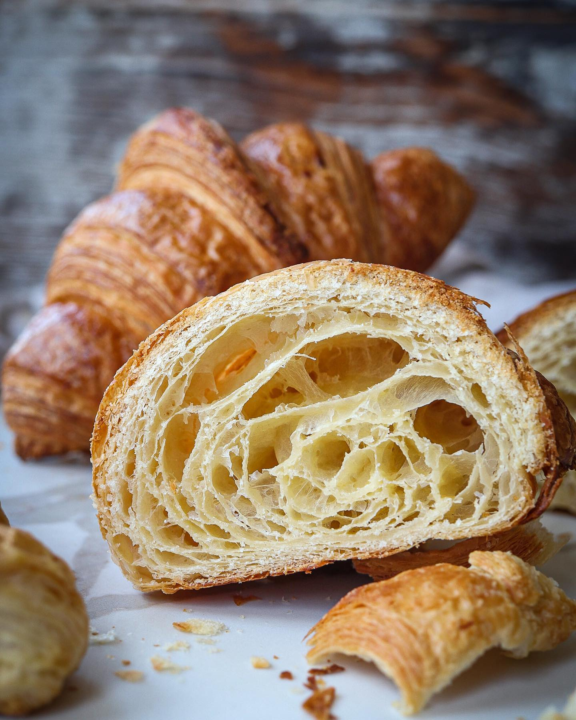
A minute ago I was reading someone’s question about rolling out the dough now I can’t find it or remember who asked it so I thought I would address it here and hopefully this is what you’re asking about. You roll in one direction, away from you and back, stretching the dough into a long strip. You don’t roll side to side across the width. When you roll across like that, you push the butter out the open edges and press your layers together, and keeping those layers separate is the whole game. That’s what builds the honeycomb. Between each fold, give the dough a quarter turn, then roll long again. Firm, even pressure, one direction at a time. Roll it long. Keep it cold. Let the layers stretch. Henry ⭐🔥


🔥
1d •
20% off King Arthur on demand classes
For anyone looking to take any of the King Arthur on demand class they are currently offering them at 20% off. They are normally $40, now $32.
1-30 of 2,186
powered by
skool.com/crust-crumb-academy-7621
#1 Sourdough Community on Skool 🍞
Coaching, not judgment. Sourdough, starter, yeasted, enriched & every bread between.
✅ ProveWorth Certified ⭐⭐⭐⭐⭐
Suggested communities
Powered by