
Write something
Pinned

11h •
🏆 HOW COMPETITIONS WORK FROM NOW ON 🏆
Quick update on the competition schedule so everyone knows what to expect. 📅 NEW CADENCE: TWICE A MONTH We're dropping comps on the 15th and the 30th of every month. Two chances to compete, every month, on a set schedule you can plan around. ✍️ WHY THIS SCHEDULE Spacing them out this way means we can give tailored feedback on every single submission. Not just the winners. Everyone who enters gets notes on what worked, where it's weak, and what to do next. 🎁 WHAT WINNERS GET Along with the prize, every winner gets a 15-minute one-on-one with Jake. Use it to talk through your build, ask questions, or bring whatever else is on your mind. Two comps a month. Feedback on every entry. Direct time with Jake for the winners. Mark your calendar for the 15th and let's get to work!
Pinned
11h •
🎆 GOOD NEWS: THE SALE STAYS OPEN. HAPPY 4TH 🎆
We're holding the last sale through the holiday weekend so nobody misses it. 🎉 Premium: $27 → $14/mo 🎉 VIP: $97 → $67/mo This is the cheapest it will ever be. Once it closes, the price is gone for good. ⏰ New deadline: July 5th, 10:00 AM EST. This is the last extension. If you've been on the fence, sign up now. You lock this rate in and keep it every month going forward. 🖥️ ONE MORE REASON TO JOIN The week of July 5th we're dropping the software we've been building for this community. It goes out for beta testing first, and only Premium and VIP members get access. Sign up before the sale closes and you're in from day one.
1d •
🏆 7-Day Leaderboard: Mira Bradshaw 🏆
@Mira Bradshaw took the top of the leaderboard this week. 🎁 What Mira wins: She was already a VIP member, so we're converting her account. ✨ Free VIP for life. ✨ The Drawing Room. High Tea. Bespoke folder builds with Jake. All of it. Forever. No charge. ⏰ The 7-day clock resets. Next Monday someone new takes the top spot. 🎯 How it works: - 📝 Post things worth reading - 💬 Help people in the comments - 🛠️ Share what you're building, what's working, what's breaking - ❤️ Engage with what others are putting out there The leaderboard tracks all of it. 🎁 The prize, depending on where you're at: 🆓 Free member? You get lifetime Premium, free ⭐ Already Premium? We convert your Premium so you stop paying 👑 Already VIP? We convert your VIP so you stop paying Either way, you stop paying. Mira, congratulations. Well earned. 👏

7h •
Perfection is my enemy
One thing I’m learning in AI is that you can create something genuinely useful even if it isn't polished or fully vetted. Honestly, I'm creating things I don't even fully understand. ha ha We see other folks showing off their latest success and eyes-wide-open stare at the screen thinking "Sheesh. They are so impossibly smart." Maybe I'm the only one doing that. But there are a few things to understand. First, not everything we think is “perfect” is actually perfect. Sometimes it is just the best version we can see from where we are standing. Second, we don't all have the same background, so what I think is a "Win" is a win for me. It might not be a win for you. What I struggle with sometimes is wanting my work to be as perfect as I can make it BEFORE I share it with anyone. That's why I didn't enter any competitions until Comp 7. I really didn't want to be embarrassed. But, I entered anyway thinking I'll just do my best and learn from the process of building. I'm SO GLAD I DID. A few things I learned: -Your first version can be messy. -Your folder structure can change. -Your workflow can have gaps. -Your system can grow. That does not mean it failed. It means it is becoming something. I think sometimes we wait to build until we can make the “perfect” version, but the perfect version usually comes after the rough one teaches us what we actually need. AI gives us so many new ways to create, test, and improve. I don’t want to miss that because I’m overthinking every piece before I begin. So here’s my little reminder, mostly to myself, but perhaps also to you: Make the thing. Let it be imperfect. Pay attention to what it teaches you. Then make it better. I appreciate each one of you and the way you encourage me and one another.
11h •
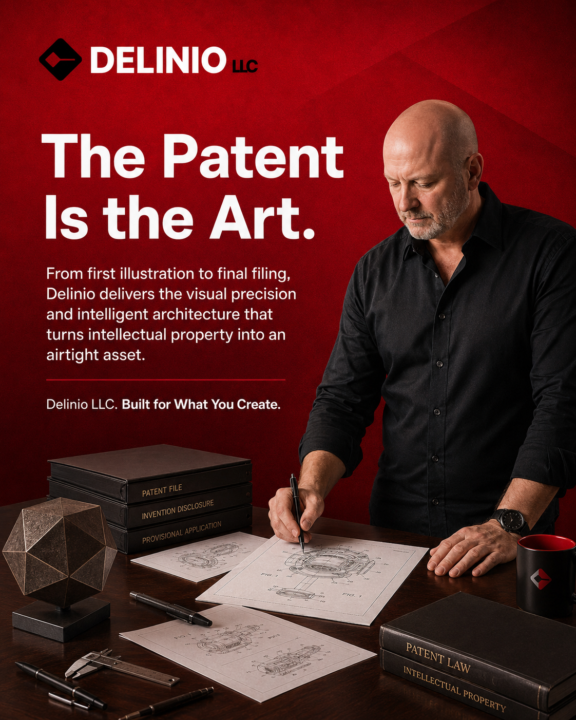
1st SUB-Agent Deployed: Advertising Copywriter MY: Mad Man!
The result is better than anything else I've interfaced with, thank you Jake and Community! Having worked in Advertising myself, I knew exactly what I wanted out of it and it delivered. Copy submitted manually to GPT image2, with references of previous branding and styles references I created, (I'll have to automate that part next, into a seamless pipeline.).
1-30 of 2,173
skool.com/cliefnotes
What we give away free beats most paid courses. Build durable AI systems with a Marine vet and Edinburgh researcher. 40+ lessons, growing.
Leaderboard (30-day)
1

🔥
+1762
2

🔥
+1697
3

+1215
4

+1002
5

+613
Powered by