Activity
Mon
Wed
Fri
Sun
Mar
Apr
May
Jun
Jul
Aug
Sep
Oct
Nov
Dec
Jan
Feb
What is this?
Less
More
Memberships
Tony Huge Evolution
3.7k members • Free
The Peptide Community
475 members • $5/m
The Iron Forge Brotherhood
13.7k members • Free
17 contributions to Peptide Price

🔥
Nov '25 •
Peptides and Cancer: What You Need to Know Before You Research
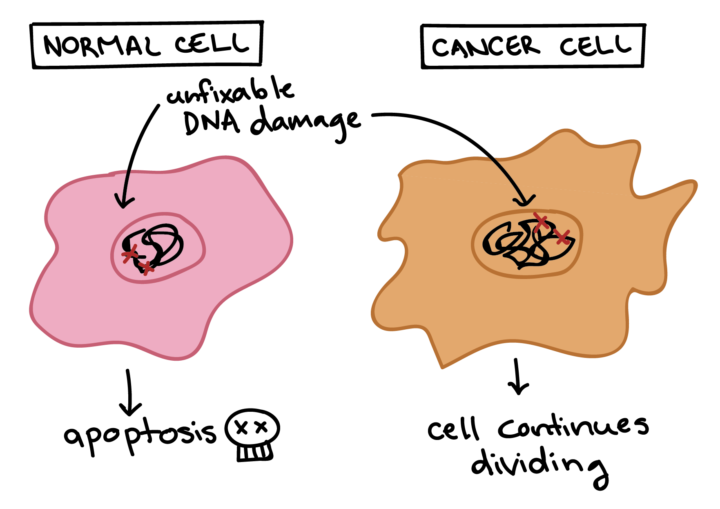
A topic that comes up frequently in our community but deserves serious, evidence-based discussion: the relationship between peptides and cancer. Many researchers use peptides for optimization, recovery, and longevity studies. But if you have cancer, a history of cancer, or significant cancer risk factors, certain peptides could be problematic—while others might be beneficial. Let’s break down what the science actually says The Core Issue: Growth Signals and Cancer Most popular research peptides work by stimulating growth, repair, and regeneration. That’s exactly why they’re studied. But here’s the problem: cancer cells hijack these same growth pathways. Think of it this way: peptides that tell your body “grow and repair” don’t discriminate between healthy cells and cancer cells. If cancer is present, you might be feeding the enemy. High-Risk Peptides: Proceed with Extreme Caution Growth Hormone Secretagogues Peptides: Ipamorelin, CJC-1295, Sermorelin, MK-677, Tesamorelin, Hexarelin Mechanism: Stimulate growth hormone (GH) and IGF-1 production Cancer Concern: - IGF-1 (Insulin-like Growth Factor-1) promotes cell proliferation and inhibits apoptosis (cell death) - Elevated IGF-1 is associated with increased risk of several cancers: prostate, breast, colorectal - Cancer cells often overexpress IGF-1 receptors, making them highly responsive to IGF-1 signaling - GH can directly stimulate tumor growth through IGF-1-independent pathways The Evidence: - Epidemiological studies link higher IGF-1 levels to increased cancer risk - Acromegaly patients (excess GH) have higher cancer rates - Cancer patients with elevated IGF-1 often have worse prognosis - Animal studies show GH/IGF-1 can accelerate tumor growth Who Should Avoid: - Anyone with active cancer - Cancer survivors (especially first 5 years post-treatment) - Strong family history of cancer - Precancerous conditions (e.g., high-grade dysplasia, polyps) Gray Area: Some argue that physiologic GH restoration in deficient individuals is different from supraphysiologic dosing. This may be true, but if you have cancer concerns, err on the side of caution.

1 like • Nov '25
This was a good read, got it in my inbox!
🔥
Nov '25 •
🎗️ WE DID IT! $6,200 Donated to Susan G. Komen Foundation Thanks to YOU!
Last month during Breast Cancer Awareness, Glow Aminos stepped up in a big way - and so did this community. I'm thrilled to announce that $6,200 has been officially donated to the Susan G. Komen Foundation! 💗 This wasn't just a company donation - this was powered by YOU. Every single person who made a purchase during the Breast Cancer Awareness sale directly contributed to this impact. You showed up. You purchased. You made a difference. The donation has been submitted and confirmed (shoutout to Robert Fylypowycz, Jamie, and Evan at Glow Aminos for making this happen). This is what I love about this community - when we rally behind something meaningful, we create REAL change. $6,200 is going directly to breast cancer research, education, and support services. This is the kind of impact we can make when we support brands that actually give back. 💪 Idc about the guidelines, you deserve to know!

0 likes • Nov '25
Wonderful News!
🔥
Oct '25 •
Does Anyone Hate Reconstituting Tesamorelin Every 5-10 days?
Quick post because it's so annoying, Tesa is normally dosed at 1-2mg per day and only comes in 10mg vials. I hate reconstituting these things on the weekly. This week we're done with that for good or at least I am. More info soon...
4 likes • Oct '25
The Vials are good for 30 Days right so why not reconstitute 4 vials or at least 2 for 2 weeks at a time.
🔥
Oct '25 •
🎉 7,000 MEMBERS - I AM BEYOND BLESSED 🙏
This community genuinely blows me away every single day. I woke up today and happened to see the number switched to 7,000 SKOOL members. I am beyond words, and I realize how blessed I am to have every single one of you in my life. 🙏 Whether it's a single post or interaction I can have with any of you, I am grateful for all the support and the kindness this community has brought into my life. A couple of years ago, I was lost, struggling with binging, confidence, and mental health. Never in my life did I imagine I would find something I enjoyed doing this much and helping others in the process. You all have truly been a huge part of my transformation as a person and are a second family to me. I will never take it for granted, and I don't deserve any of it. I'll never stop pushing this educational content out and want to make this the #1 Peptide Education Platform. Thank you again from the bottom of my heart, love you guys ❤️ P.S. As the community grows, if I don't respond to something, I probably didn't see it. Please @ me or dm me directly, always happy to help!

1 like • Oct '25
Congratulations @Derek Pruski "NEVER MISS" IYKYK!!!
🔥
Oct '25 •
🧠 PINEALON — THE “NEUROPROTECTIVE RESET” PEPTIDE
Daily Deep Dive: Pinealon is a short tri-peptide (Glu-Asp-Arg) that acts primarily on the central nervous system, specifically targeting neurons and mitochondrial health. It was originally developed in Russia for neuroprotection, anti-aging, and cognitive support, and it’s part of the same peptide family as Epitalon and Thymogen — small chains that regulate gene expression rather than directly build tissue. ⚙️ Mechanism of Action Pinealon works on a cellular regulatory level, meaning it doesn’t “stimulate” like caffeine or nootropics. Instead, it helps your cells function more optimally. Here's what’s happening under the hood: - Regulates gene expression in neurons related to oxidative stress resistance and DNA repair. - Enhances mitochondrial ATP production — improving overall neuronal energy efficiency. - Normalizes neurotransmitter balance, particularly GABA and glutamate, which can stabilize mood and focus. - Reduces lipid peroxidation and oxidative damage, offering long-term brain protection rather than short-term “stimulation.” - May influence melatonin and circadian rhythm regulation, due to its origin and activity in the pineal region. 💡 Potential Benefits - Improved mental clarity, focus, and memory retention - Reduced brain fog and fatigue - Better sleep regulation and recovery rhythm - May support mood stabilization and stress resilience - Neuroprotection during aging or high oxidative load (e.g., shift work, chronic stress, stimulant use) 🧪 Dosing (Research Context) Most human data comes from Russian studies and anecdotal research use: - Typical dose: 10mg per day - Frequency: Daily or 5 days on / 2 days off - Duration: 10–20 days per cycle - Route: Subcutaneous injection or oral capsule form (less bioavailability orally) Many use Pinealon as a “reset” peptide, often stacked with Epitalon or Cerebrolysin for synergistic cognitive and neuroprotective effects. 🧩 Common Stacks - Pinealon + Epitalon → longevity + circadian repair - Pinealon + Semax/Selank → cognitive performance + stress balance - Pinealon + Dihexa → neurogenesis + memory consolidation

0 likes • Oct '25
On it now
0 likes • Oct '25
@Jeff Holder
1-10 of 17

@wayne-whitmer-5523
55 living in Houston! Biohacking through Researching Peptides and Bioregulators!
Active 1h ago
Joined Aug 10, 2025