Activity
Mon
Wed
Fri
Sun
Feb
Mar
Apr
May
Jun
Jul
Aug
Sep
Oct
Nov
Dec
Jan
What is this?
Less
More
Memberships
Shrink Rap
960 members • Free
Mohr Natural
399 members • Free
HolisticAmerican-HealthAcademy
3.5k members • Free
Holistic Product Tester Group
29.3k members • Free
155 contributions to Holistic Product Tester Group

⭐
🔥
10h •
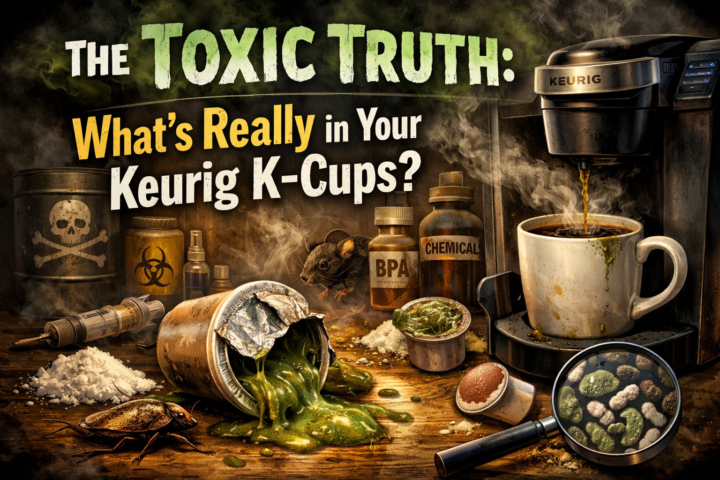
The Toxic Truth: What's Really in Your Keurig K‑Cups?
The "clean and convenient" morning ritual that's leaching plastic into your coffee Every morning, millions of people pop a K‑Cup into their Keurig machine, trusting the promise of "fresh brewed" coffee and effortless convenience. Since Keurig introduced single serve pods in the late 1990s, they've dominated home and office coffee with claims of consistency, cleanliness, and café quality brewing. People feel efficient and modern when they press that button for their personalized cup, believing the sealed pods guarantee freshness and hygiene. But what if the very product you're using for your daily caffeine ritual is actually leaching microplastics and chemicals into your coffee, brewing stale and oxidized grounds, and creating a breeding ground for mold in your machine? Behind Keurig's sleek branding and "ultimate convenience" claims lies a disturbing reality: you're paying premium prices to drink hot plastic infused coffee from months old grounds while generating mountains of waste. 𝗧𝗵𝗲 𝗠𝗮𝗿𝗸𝗲𝘁𝗶𝗻𝗴 𝗗𝗲𝗰𝗲𝗽𝘁𝗶𝗼𝗻: 𝗛𝗼𝘄 𝗞𝗲𝘂𝗿𝗶𝗴 𝗠𝗮𝗱𝗲 𝗣𝗹𝗮𝘀𝘁𝗶𝗰 𝗖𝗼𝗳𝗳𝗲𝗲 𝗦𝗲𝗲𝗺 𝗣𝗿𝗲𝗺𝗶𝘂𝗺 Keurig's most insidious marketing strategy is exploiting busy lifestyles and cleanliness concerns while making plastic‑wrapped, stale coffee seem like a luxury upgrade. • 𝗙𝗿𝗲𝘀𝗵 𝗯𝗿𝗲𝘄𝗲𝗱 implies just‑roasted quality when pods often contain coffee that's been sitting for months, oxidizing and losing flavor compounds • 𝗖𝗹𝗲𝗮𝗻 𝗮𝗻𝗱 𝗰𝗼𝗻𝘃𝗲𝗻𝗶𝗲𝗻𝘁 positioning makes people overlook the moldy water reservoirs, plastic contact, and environmental waste • 𝗣𝗿𝗲𝗺𝗶𝘂𝗺 𝗯𝗿𝗮𝗻𝗱 𝗽𝗮𝗿𝘁𝗻𝗲𝗿𝘀𝗵𝗶𝗽𝘀 (Starbucks, Dunkin', etc.) transfer café credibility to inferior pod coffee that tastes nothing like the original • 𝗖𝘂𝘀𝘁𝗼𝗺𝗶𝘇𝗮𝘁𝗶𝗼𝗻 language makes single serve seem personalized and special rather than wasteful and expensive • 𝗢𝗳𝗳𝗶𝗰𝗲 𝘀𝘁𝗮𝗻𝗱𝗮𝗿𝗱 positioning normalizes the machines as professional and hygienic when they're often neglected and contaminated • 𝗩𝗮𝗿𝗶𝗲𝘁𝘆 𝗽𝗮𝗰𝗸𝘀 create the illusion of choice while locking consumers into proprietary, overpriced pods • 𝗥𝗲𝗰𝘆𝗰𝗹𝗮𝗯𝗹𝗲 claims distract from the reality that most pods end up in landfills due to mixed materials and contamination

4 likes • 9h
Oh my goodness 😳
⭐
🔥
2d •
🧠 𝗠𝗲𝗻𝘁𝗮𝗹 𝗪𝗲𝗹𝗹𝗻𝗲𝘀𝘀 𝗠𝗼𝗻𝗱𝗮𝘆: 𝗬𝗼𝘂 𝗔𝗿𝗲 𝗡𝗼𝘁 𝗪𝗵𝗮𝘁 𝗛𝗮𝗽𝗽𝗲𝗻𝗲𝗱 𝘁𝗼 𝗬𝗼𝘂
Before we dig into this week’s Mental Wellness Monday lesson from Dr. Pam, there are two important things we want to make sure you know. 🌿 JOIN DR. PAM’S FREE SKOOL GROUP — WHILE IT’S STILL FREE If Mental Wellness Mondays resonate with you, this is where the deeper work continues. 🧠 Shrink Rap with Dr. Pam is her dedicated Skool community for mental wellness, trauma-informed healing, identity work, and real-life application. Inside the group you’ll find: • Deeper teachings and reflections • Ongoing discussion and support • Access to live sessions and replays • A grounded, safe space for healing and growth 👉 Join Dr. Pam’s Skool group here: https://www.skool.com/shrinkrap/about ✨ The group is currently FREE, and those who join now are being grandfathered in before any future changes. 📅 LIVE “ASK A SHRINK” — JANUARY 28 @ 6PM EST ⚠️ IMPORTANT ATTENDANCE UPDATE This live Q&A is open to all members, but attendance now requires joining the Holistic American Health Academy (HAHA). 👉 The good news • HAHA is FREE to join • No Zoom • No registration forms • Just join and show up ✅ How to Attend 1️⃣ Join the Holistic American Health Academy (FREE): https://www.skool.com/holisticamerican/about 2️⃣ Once inside, go to the Calendar 3️⃣ Show up live and click the meeting link 👉 Join the live meeting here: https://www.skool.com/live/6XpMTXQptfR 📺 About Replays 1. Replays are alwyas hosted inside Dr. Pam's FREE Skool group Shrink Rap/ 2. Replays are also posted inside HAHA → Classroom → Q&A Replays, which houses our full holistic video library dating back to February 2024. ⚠️ Replays are available to HAHA Premium members only. If you are not premium, you must attend live to receive the information. ⏳ Do not wait. Join HAHA now so you’re ready when the session goes live. ------------------------------------ 🌎 This Week’s Mental Wellness Monday from Dr. Pam

7 likes • 2d
This is really good, think of me while you are there, I need some good vibes sent my way. 👋
7 likes • 2d
@Chryl Davis thanks girl...

🔥
7d •
Regenerative Farming
I recently discovered a Regenerative farm near me and I am thrilled!! What is Regenerative Farming? it is a holistic approach to agriculture that goes beyond sustainability—it actively restores and enhances soil health, biodiversity, ecosystems, and climate resilience while producing nutritious food. Drawing from ecological principles, it mimics natural processes to rebuild degraded land, sequester carbon, and improve farm profitability over time. It's core principles include: • Minimize soil disturbance (e.g., no-till or reduced tillage) • Keep soil covered year-round • Maximize living roots in the soil • Promote plant and crop diversity • Integrate livestock where possible • Context-specific adaptation to local conditions. These practices work together to feed soil microbes, build organic matter, and create resilient systems. Regenerative farming offers a path to heal the earth while nourishing communities! Do you have a Regenerative Farm near you?

4 likes • 4d
@Lisa DeLuca I know right! I want to move where there is one....
3 likes • 4d
@Ana Suri thank you, ma'am.
⭐
🔥
9d •
Free Holistic Education + Recurring Income? Yes, Really.
2026 is going to be a massive year for our members and for the holistic health community as a whole. We have some big announcements coming. One I’m sharing today. The other… let’s just say our founder, Doug, is quietly working on something that fills a huge void in the holistic health industry, and every one of you will be part of its debut. What we’re building is designed to energize our members while helping America’s holistic practitioners break through censorship, algorithms, and industry noise so they can finally grow their exposure. And as that happens, our members are rewarded with free holistic health education like nowhere else omn the internet, by a trusted source. Now for the big news. Since February 2024, we’ve been running our first flagship Skool group, the Holistic American Health Academy (HAHA). This is where our certified holistic practitioners reside. The group is full of heart and compassion. It's unlike anywhere else on the internet for holistic health lovers. Until now, it’s been a premium, subscription-based community, which unfortunately meant many people were locked out simply because of finances. Well… that just changed. Skool has launched a new tier system, and it allows us to officially open HAHA to everyone. There is now: • A FREE community tier • And a Premium tier for deeper education and more practitioner interaction This is a huge shift for us. Free members now get full access to: 1. The community itself, with the ability to post daily 2. A basic self-care course covering the core principles of holistic health 3. Access to the product marketplace We are opening this as a 30-day test window. We may lock HAHA back into a fully paid model after that, so if you’ve been waiting, this is your moment. If you are already a paid member, nothing changes for you, except it gets better. You will be automatically upgraded to the Premium plan at your current rate, which is grandfathered for as long as you remain a member. Prices have increased, so staying put matters.
8 likes • 8d
Welcome all!!! Buckle up it's going to be exciting!
2 likes • 7d
@Charlotte Conrad so much information.
⭐
🔥
9d •
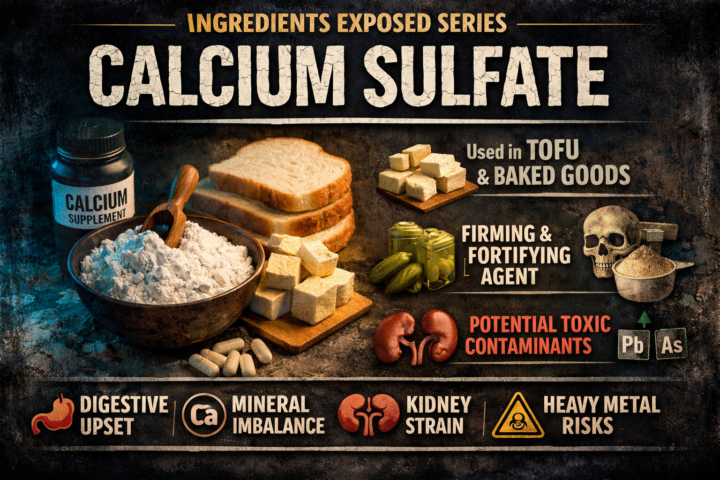
Ingredients Exposed Series: Calcium Sulfate
The “plaster additive” in your food and supplements What sounds like an innocent mineral supplement or baking aid is actually a refined industrial compound often used as a firming agent, flour treatment, or calcium source. “Calcium sulfate” (also known as gypsum) is added to foods and supplements, but depending on source and processing, it can carry contaminants and cause digestive, metabolic, or mineral imbalance concerns. 𝗪𝗵𝗲𝗿𝗲 𝗬𝗼𝘂’𝗹𝗹 𝗙𝗶𝗻𝗱 𝗧𝗵𝗶𝘀 𝗣𝗹𝗮𝘀𝘁𝗲𝗿 𝗔𝗱𝗱𝗶𝘁𝗶𝘃𝗲 Calcium sulfate (listed as “calcium sulfate,” “gypsum,” E516, or “food-grade calcium”) shows up in: • Packaged tofu (as a coagulant) • Baking powders and self-rising flours • Pickles and canned vegetables (as a firming agent) • Fortified nutritional supplements, protein powders, and meal replacements • Certain processed cheeses and breads 𝗪𝗵𝗮𝘁 “𝗖𝗮𝗹𝗰𝗶𝘂𝗺 𝗦𝘂𝗹𝗳𝗮𝘁𝗲” 𝗔𝗰𝘁𝘂𝗮𝗹𝗹𝘆 𝗜𝘀 A mineral compound (CaSO₄) used for: • Firming, stabilizing, or coagulating foods • Adding calcium in fortified foods or supplements Industrial roles: • Plaster, wallboard, cement, and desiccant in non-food industries • Food-grade sources are purified but can still carry impurities if manufacturing standards vary In the body: • Overconsumption may contribute to digestive upset, constipation, or altered mineral balance • Chronic high intake may affect kidney or cardiovascular health in sensitive populations 𝗛𝗼𝘄 𝗜𝘁 𝗖𝗮𝗻 𝗛𝗮𝗿𝗺 𝗬𝗼𝘂𝗿 𝗕𝗼𝗱𝘆 𝗚𝗶𝘁𝗮𝗹 𝗗𝗶𝘀𝗿𝘂𝗽𝘁𝗶𝗼𝗻: Excess intake can cause bloating, constipation, or interfere with absorption of other minerals. 𝗥𝗲𝗻𝗮𝗹 𝗦𝘁𝗿𝗲𝘀𝘀: High-dose supplemental calcium sulfate may burden kidneys, especially with preexisting kidney issues. 𝗖𝗵𝗲𝗺𝗶𝗰𝗮𝗹 𝗖𝗼𝗻𝘁𝗮𝗺𝗶𝗻𝗮𝗻𝘁 𝗥𝗶𝘀𝗸: Depending on the source, traces of heavy metals (lead, arsenic) or industrial residues may persist. 𝗔𝗰𝗰𝘂𝗺𝘂𝗹𝗮𝘁𝗲𝗱 𝗦𝗼𝘂𝗿𝗰𝗲 𝗕𝘂𝗿𝗱𝗲𝗻: Common in multiple processed foods and fortified supplements across a diet. 𝗧𝗵𝗲 𝗥𝗲𝗴𝘂𝗹𝗮𝘁𝗼𝗿𝘆 𝗕𝗲𝘁𝗿𝗮𝘆𝗮𝗹 • EU/UK/Australia: Permitted as a food additive (E516) with purity standards; toxicity concerns generally tied to overuse or contaminated sources.
16 likes • 9d
That's why so many Americans are sick....because they have no idea what's in there things that they are eating or using! 😲 Many of them don't wanna know and don't wanna hear about it.... but wonder why they so sick!😫
1 like • 7d
@Leann Havens it wasn't reflected directly at you, I did deal with some people that i tried talking to them and they shut me down, they complained about the way they were feeling so I tried explaining to them why they feel that way and they just didn't want to hear it. Believe me I don't have a PhD but if you hang around here you will find out some good(real) information. Sorry you took it offensive. 😔
1-10 of 155
@veronica-hebert-4466
I am 56 years old and single.I am from Louisiana. I have always dreamed of living the holistic lifestyle.
Active 39m ago
Joined Aug 27, 2025
INFJ
Louisiana
Powered by