Activity
Mon
Wed
Fri
Sun
Nov
Dec
Jan
Feb
Mar
Apr
May
Jun
Jul
Aug
Sep
Oct
What is this?
Less
More
Owned by Tamara
A space to pivot with purpose, turn pain into fire, and rise like the Phoenix. Because rising isn’t optional—it’s who we are.
BloomingVoices Streaming TV
143
Free
The Operations Room
39
Free
Self Worth Challenge
3.6k
Free
Online Profit Mastery
886
5.0
Free
ADHD Harmony™
16k
5.0
Free
Connect & Collab with Éva+
609
5.0
Free
Skoolyard 🧃
1.1k
Free
29 contributions to Stephen B. Henry

🔥
Aug 5 •
📌 Who coaches the coach?
That is an interesting question that every coach should ask themselves. When we spend our days helping others find clarity, solve problems, and move forward, it is easy to forget that we also benefit from having someone who can challenge our thinking, offer another perspective, and simply listen. After thirty-plus years working online, I have become known by many as the Coach's Coach. That has never been about having all the answers. It has always been about asking the right questions, sharing 60 years of practical experience, and helping good people see possibilities they may not have noticed on their own. That is exactly where the Premium tier inside Your Pathway To Growth begins. It is not another course to consume or another collection of videos to sit on a shelf. It is where my group coaching starts. It is where conversations become more personal, ideas become more practical, and progress becomes more intentional. It is an affordable place to begin. For those who want to go deeper, I also work one-on-one with a small number of people at any given time. At the moment, I have two mentoring spaces available. Feel free to reach out to me. Whether you are building a coaching practice, writing your next book, creating content, or simply looking for an experienced guide who has walked this path before, perhaps it is time to ask yourself that same question. Who is helping you move forward? Sometimes the time to hire your guide really is before you get lost in the woods.


1 like • Aug 5
You coach the coach
🔥
Jul 10 •
📌 ASMR Content Section Added
This important Life Coach vs Licensed Therapist content is open to everyone. No membership required. CLICK HERE

2 likes • Jul 10
thank you for putting this information out. I appreciate it.
🔥
Jul 9 •
🕰️ Headline: Time Bandit Arrested
Dubbed "The Time Bandit" a local man was found with his house filled with old clocks and expensive watches, allegedly stolen from across five states. I would say they caught him just in time!

4 likes • Jul 10
@Stephen B. Henry @Dan Murray @James McDonald You three are hilarious
🔥
Jun 15 •
📌 The Blessing and Burden of a Low Barrier to Entry
One of the beautiful things about coaching is that almost anyone can begin. One of the challenging things about coaching is that almost anyone can begin. Both statements are true. Unlike many professions, coaching often has a relatively low barrier to entry. In most places, there is no government agency requiring years of formal education before someone can hang out a shingle and call themselves a coach. There are no licensing exams that everyone must pass. No universally accepted governing body determines who belongs and who does not. To some, that reality is alarming. To others, it is liberating. I believe it is both a blessing and a burden. The Blessing The low barrier to entry allows people with real-world experience to help others without navigating years of bureaucracy. The single parent who learned how to rebuild life after divorce. The executive who survived burnout and discovered healthier ways to lead. The veteran who successfully transitioned into civilian life. The entrepreneur who stumbled, failed, adapted, and eventually found success. The retiree who discovered a renewed sense of purpose after decades in another profession. None of these people necessarily possess advanced degrees in coaching. Yet many have wisdom forged through experience that can profoundly benefit others walking similar paths. Coaching has always been, in part, about shared experience. Sometimes people do not need a textbook explanation. They need someone who can honestly say: "I have walked through something similar. Let me share what I learned." The accessibility of coaching allows these voices to emerge. It democratizes guidance. It creates opportunities for people who may never have entered helping professions through traditional routes. That is a gift. The Burden However, accessibility comes with responsibility. A low barrier to entry also means there are individuals offering guidance before they have done sufficient work on themselves. Some mistake enthusiasm for expertise. Others confuse confidence with competence. Still others promise outcomes they cannot reasonably deliver.

2 likes • Jun 15
I believe you are correct. I have been experiencing this first hand
1 like • Jun 16
@Fran Watson you don't have to be.
🔥
Jun 16 •
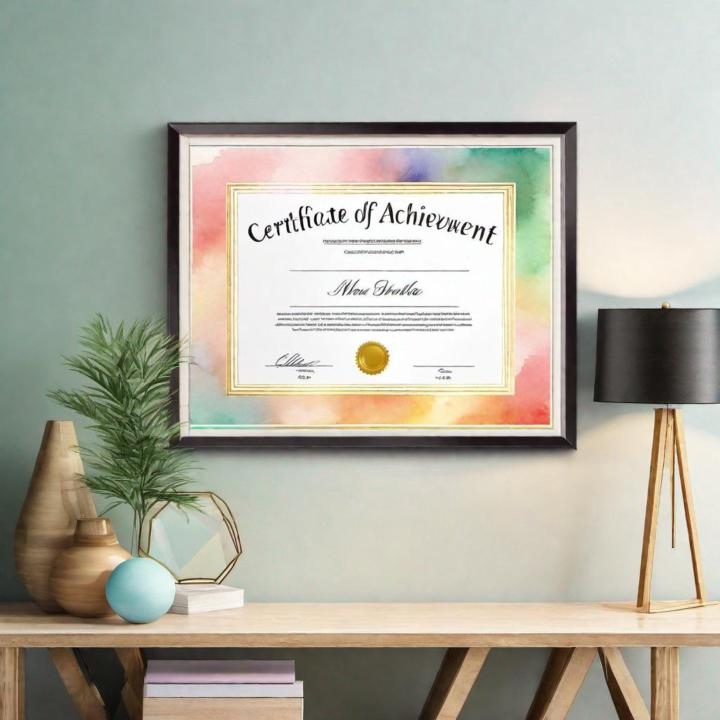
📌 Do You Need Certification to Become a Coach?
The Difference Between Permission, Preparation, and Credibility One of the most common questions aspiring coaches ask is: "Do I need a certification to become a coach?" The answer surprises many people: In most places, no. There is often no legal requirement to obtain a coaching certification before calling yourself a coach and offering coaching services. For some, that answer feels freeing. For others, it feels unsettling. If there is no universally required certification, how do you know who is qualified to coach? How do you know if you are ready to coach? And how do clients decide whom to trust? The answers to those questions are not as simple as either side of the debate would like them to be. The Case for Certification There is no denying that certification programs can provide tremendous value. A good coaching program can help aspiring coaches: develop effective listening skills, learn questioning techniques, understand ethical considerations, establish boundaries, practice coaching frameworks, gain confidence, and receive valuable feedback. Certification can provide structure. It can shorten the learning curve. It can expose people to ideas and methods they might not otherwise encounter. For individuals who are new to helping professions, formal training can create a foundation upon which experience is built. Certification can also increase credibility. Potential clients who are unfamiliar with a coach's background may find reassurance in knowing that some level of training has taken place. There is value in that. The Limits of Certification At the same time, certification is not magic. A certificate does not automatically create wisdom. It does not guarantee compassion. It does not ensure good judgment. It does not transform someone into an effective guide. Most of us have encountered professionals with impressive credentials who lacked warmth, empathy, or the ability to connect. We have also encountered extraordinary teachers, mentors, and guides whose qualifications came primarily through lived experience.
4 likes • Jun 16
@Stephen B. Henry and @Dan Murray I agree. Real life is where the experience comes in. I am certified in quite a few areas and I don't think that the certificates have helped me as much as real life.
1-10 of 29
@tamara-patrick-9156
Faith-based, humor-laced life coach, author, & Army veteran helping people pivot, rise, and restart life with clarity, courage & confidence.
Active 22h ago
Joined Nov 2, 2025