

🔥
3d •
📌 The Problem with One-Size-Fits-All Solutions
One of the most common messages in marketing today is surprisingly simple: "This one thing will solve your problem." Sometimes it is a course. Sometimes it is an app. Sometimes it is an AI tool. Sometimes it is a business model. The promise is always the same. "Do this one thing and everything else will fall into place." The problem is that life rarely works that way. Imagine visiting a doctor and being told that every patient receives exactly the same prescription, regardless of their symptoms. We would walk out. Yet we often accept that same thinking in business. The truth is that people arrive with different experiences, different goals, different resources, different personalities, and different obstacles. Someone struggling with procrastination does not need the same solution as someone struggling with confidence. A coach just starting out does not need the same advice as someone with twenty years of experience. A business with no customers has very different challenges than one struggling to scale. Real progress begins when we stop looking for the solution and start looking for the right solution. That is why I have never believed in solving every problem with a single course, a single app, or a single strategy. I believe in understanding the person first. Then finding the next practical step that helps them move forward. Sometimes that step is learning a new skill. Sometimes it is changing a habit. Sometimes it is asking a better question. Sometimes it is simply having a conversation. There are universal principles. There are very few universal solutions. Perhaps the best guides are not the ones who already have all the answers. Perhaps they are the ones who know how to help people find the answer that fits their situation. Because in the end... One size rarely fits all. But the right fit changes everything. The time to find yiur guide is before you get lost in the woods!

🔥
Jun 8 •
📌 Stats For Stats' Sake
I posted this as a response to a post in another community, however I felt it stands on its own and is worthy of sharing here: Some stats are just stats. A follower count is a stat. A streak badge is a stat. A view count is a stat. A flame emoji beside your name is a stat. The danger comes when we start chasing the numbers instead of doing the things the numbers are supposed to represent. ► Doing ten meaningful interactions a day can build relationships, but doing ten random comments to maintain a streak builds a statistic. ► Creating valuable content can earn views, but chasing views can lead to creating content you do not even believe in. The benefits rarely live in the metric itself. The benefits live in the actions that generate the metric. Focus on helping people. Focus on learning. Focus on contributing. Focus on showing up consistently. Let the statistics tell the story of what happened. Do not let the statistics become the reason you are doing it.

🔥
7d •
📌 Your Domain Name Now
One of the best investments you can make in your future business might cost less than lunch. If your personal name is available as a domain name, consider registering it now, even if you have no immediate plans to build a website. Domain names are unique. Once someone else registers yours, it may never become available again, or it could cost hundreds or even thousands of dollars to acquire. While .com remains the most widely recognized and remembered extension, there is now an incredible range of alternatives including .online, .coach, .studio, .media, .design, .community, .guide, and hundreds more. If your ideal .com has already gone, you may still find an extension that suits your work perfectly. Think of a domain name as digital real estate. You do not have to build on the land today, but owning the property gives you options for tomorrow. Even if you are only thinking about starting a business, writing a book, launching a podcast, or building a personal brand, securing your domain name today could be one of the smartest and least expensive decisions you make.

🔥
14d •
📌 Life Coach vs Licensed Therapist
Life coaching is undergoing a significant transformation. As state regulatory boards increase their oversight, the boundary between goal-oriented coaching and clinical mental health therapy is beginning to be more strictly enforced. It is no longer sufficient to simply state that you are not a therapist; your actual practice and marketing must reflect that distinction. This free progam, which could be offered at US297.00 or more, provides a vital overview of recent legislative crackdowns, such as the landmark 2025 Utah Senate Bill 48, and offers a comprehensive guide to "red flag" language that could trigger a legal investigation. Life Coach vs Licensed Therapist is a must read for any life coach, in any niche, who wishes to maintain a sustainable, ethical, and legally compliant practice. Includs: ⚖️ Changing Legal Boundaries 🧑🤝🧑 Relationship Coaches 🧠 NLP Coaches 🔍 Coaching Niches At Risk 🔍 Coaching Niches At Risk 🔮 Other Practitioners 🚩 Red Flag Language 📋 Common Coaching Terms 👩🏫 Therapy Speak 📝 Clinical Acronyms 💯 Concluding Thought Plus: 📋 Risk Assessment Checklist 💬 Professional Referral Script 🛡️ NLP Disclosure Statement CLICK HERE TO VIEW
1
0

🔥
23d •
📌 Coach or Therapist?
Understanding the Difference Matters Few topics create more confusion in the helping professions than the distinction between coaching and therapy. The lines can appear blurry from the outside. Both involve conversations. Both seek positive change. Both may involve discussing goals, relationships, fears, disappointments, and hopes for the future. Both are built upon trust. Because of these similarities, people sometimes assume they are essentially the same thing. They are not. Understanding the difference matters, not only for the people seeking support, but also for those providing it. It protects clients. It protects practitioners. And perhaps most importantly, it helps ensure people receive the kind of support they truly need. Different Purposes At the risk of oversimplifying, therapy often focuses on healing. Coaching often focuses on growth. Licensed therapists are trained to diagnose and treat mental health conditions. They help individuals navigate issues such as depression, anxiety disorders, trauma, grief, addiction, and other psychological challenges. Their education, supervision, licensure, and continuing requirements are designed to equip them for this important work. Coaches, on the other hand, typically work with people who are functioning reasonably well but want help moving from where they are to where they want to be. A coach might help someone: clarify goals, improve habits, build confidence, navigate career transitions, strengthen leadership skills, develop accountability, improve communication, or create a plan for the future. The emphasis is often on possibility. Not pathology. Forward movement rather than clinical treatment. That distinction is important. The Reality Is More Nuanced Of course, human beings do not arrive neatly categorized. Life is rarely that tidy. A client may seek coaching around productivity and reveal unresolved grief. Someone pursuing career advancement may disclose symptoms of severe anxiety. A person focused on relationship goals may describe experiences rooted in past trauma.

1-30 of 71
powered by
skool.com/your-pathway-to-growth-5059
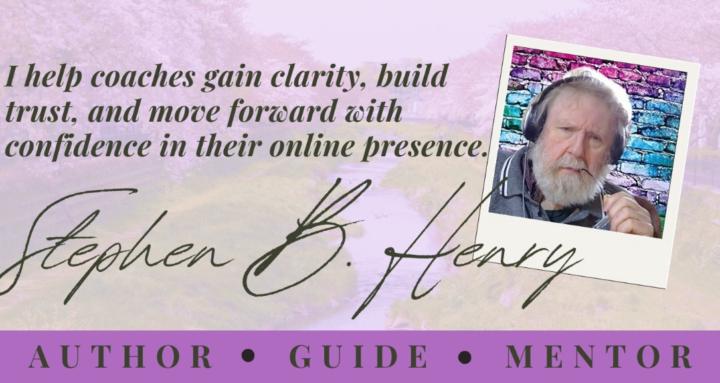
Stephen B. Henry’s "Your Pathway To Growth" community is a calmer, safer place for learning A.I. through natural conversation and guidance.
Suggested communities
Powered by