Activity
Mon
Wed
Fri
Sun
Jun
Jul
Aug
Sep
Oct
Nov
Dec
Jan
Feb
Mar
Apr
What is this?
Less
More
Owned by Samantha
A safe, supportive space for women rebuilding after abuse, coercive control, and psychological harm - with tools, resources & guided support.
Memberships
49 contributions to Healing After Harm with Dr Sam

4d •
Hey everyone, I’m new here!
I’ve been quietly exploring the classroom and posts, and I already feel like I’ve landed in the right space. I’m here to learn, grow, and connect with people who are on a similar path. I’m really looking forward to getting involved, sharing what I’m working on, and learning from all of you. Excited to be here and grateful to join this community.

0 likes • 2d
Welcome Jeanne! ❤️
Feb 20 •
New Resource in the Classroom: The 90‑Day Gratitude Journal with Daily Quotes
Hi everyone, I’ve just uploaded a gentle new resource designed to help you feel more grounded, calm, and emotionally steady through the power of daily gratitude. The 90‑Day Gratitude Journal is a neuroscience‑informed tool created to help you rewire your brain for joy, resilience, and inner safety. Through simple daily reflection, guided prompts, and inspirational quotes, this journal supports emotional regulation and nervous‑system balance—without overwhelm. Inside, you’ll find 90 days of structured gratitude prompts, daily quotes to spark reflection, and a trauma‑informed layout that makes the practice feel accessible and soothing. It’s available as both a printable PDF and a digital‑friendly version for tablet journaling. It’s now available under the Classroom tab. #GratitudeJournal #NeuroscienceTools #EmotionalHealing #DailyPractice #InnerCalm #WorthWellness #MindsetShift #HealingAfterHarm
0 likes • 5d
@Liz Porter ❤️
5d •
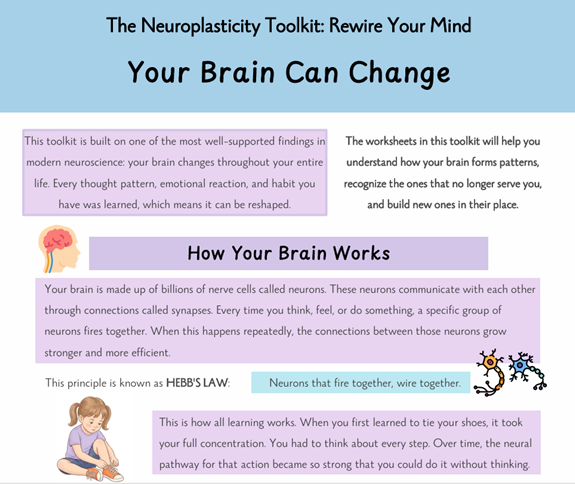
New in the Classroom: The Neuroplasticity Workbook — Rewire Your Mind
Hi everyone! I’ve just uploaded a powerful new resource to the Classroom - The Neuroplasticity Workbook: Rewire Your Mind, a neuroscience‑based workbook designed to help you understand your patterns and gently reshape them over time. This toolkit is built on one of the most important findings in modern brain science: your brain can change throughout your entire life. As the workbook explains, “Every thought pattern, emotional reaction, and habit you have was learned, which means it can be reshaped.” Inside, you’ll explore: - How your brain forms and strengthens patterns - Why certain emotional or behavioural loops repeat automatically - The five‑stage self‑reinforcing cycle that keeps old patterns alive - How to identify your “rewiring window” - the moment between body alarm and old story - How to use interoception (body signals) as early warning - Step‑by‑step worksheets to build new neural pathways - Why setbacks happen and how to recover without losing progress - A weekly rewiring tracker and a personal Rewiring Blueprint - 40 quick, practical strategies for interrupting old patterns and strengthening new ones One of my favourite lines from the workbook is: “A well‑worn path feels comfortable because it’s familiar, not because it’s better.” Such a grounding reminder that discomfort doesn’t mean you’re doing it wrong - it often means you’re doing something new. This toolkit is perfect for anyone wanting to understand their mind more deeply, interrupt old loops, and create real, sustainable change through small, consistent shifts. Feel free to share any insights, reflections, or “aha” moments as you move through it - your experiences often help someone else feel less alone in theirs.
Mar 5 •
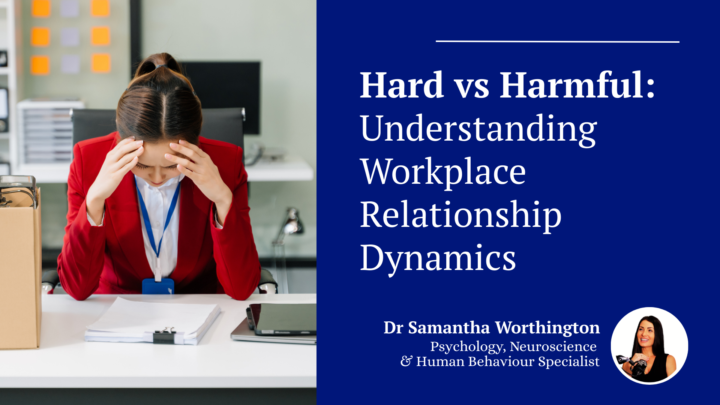
New Article in the Classroom - Hard vs Harmful: Understanding Workplace Relationship Dynamics
In my latest article, I explore a dynamic so many people feel at work but rarely talk about - the moment you realise a relationship isn’t stretching you anymore, it’s slowly wearing you down. It’s subtle. It’s easy to miss. And for high performers, it’s almost instinctive to push through it rather than pause and look at what’s actually happening. But those small shifts matter. The hesitation before a meeting. The second‑guessing. The way clarity feels harder to access after certain conversations. These aren’t weaknesses - they’re signals. They’re your nervous system trying to get your attention long before your mind catches up. Healthy workplaces don’t ignore those signals. They pay attention to them. They protect the people who hold so much together. They create environments where responsibility is shared, empathy is recognised, and excellence isn’t used as a reason to overload the very people who keep the culture steady. When that kind of protection is in place, high performers don’t just cope - they thrive. And the entire workplace rises with them. hashtag#Leadership hashtag#WorkplaceWellbeing hashtag#HighPerformance hashtag#PsychologicalSafety hashtag#EmotionalIntelligence hashtag#Neuroscience hashtag#WorkCulture hashtag#Boundaries hashtag#RelationalHealth hashtag#WomenInLeadership hashtag#TraumaInformedLeadership hashtag#NervousSystemHealth
0 likes • 5d
@Maria Garcia ❤️
Mar 2 •
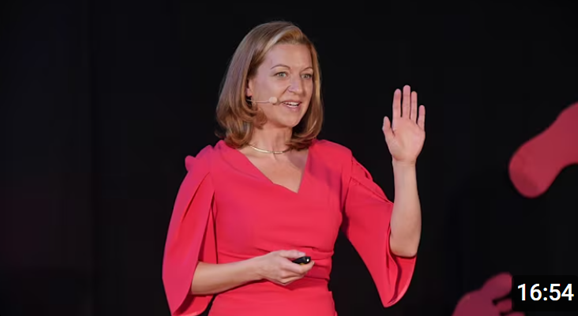
The Importance of Authenticity and Mindfulness – Now in the Classroom
Hi everyone, I’ve just uploaded a powerful TEDx talk by my friend, Andrea Beil, into the Classroom tab, and it’s one I think many of you will deeply resonate with. This talk explores why authenticity and mindfulness aren’t just personal development buzzwords, but essential foundations for a grounded, meaningful life. Andrea shares how staying connected to your inner truth, slowing down enough to actually hear yourself, and showing up with presence can transform the way you lead, relate, and make decisions especially after trauma and abuse. In a world that pushes speed, performance, and comparison, this is a reminder that real alignment comes from within. When we choose authenticity, we stop abandoning ourselves. When we practice mindfulness, we create the internal space needed for clarity, emotional regulation, and intentional action. If you’re on a journey of self‑growth or healing, this is a beautiful watch — and a reminder that the most important relationship you’ll ever build is the one you build with yourself. #authenticity #mindfulness #selfgrowth #leadershipdevelopment #innerwork #emotionalregulation #nervoussystemhealing #selfconnection #healingjourney #intentionalliving #skoolcommunity
0 likes • 5d
@Nano Erdozain ❤️
1-10 of 49
@samantha-worthington-8224
Neuropsychology, human behaviour & abuse recovery specialist helping women heal, and rebuild clarity, self‑trust, & identity, after harm.
Active 10h ago
Joined Feb 17, 2026
Queensland