Healing After Harm with Dr Sam
Private
129 members
Free
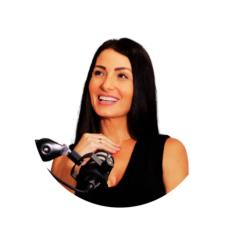
Healing After Harm with Dr Sam is a safe, supportive space designed for women rebuilding after manipulation, coercive control, and psychological harm. A place where you can learn, connect, and heal at your own pace — whether that means engaging actively or simply observing quietly until you feel ready.
Inside the community, you’ll receive:
• Tools, resources, and journals to support your healing
• Workbooks, worksheets, and guided exercises
• Weekly live support circles (camera optional, chat‑only welcome)
• Live masterclasses every month — plus recordings if you can’t attend
• A private, supportive community of women walking the same path
• Daily updates with new tools, lessons, and resources
• A safe space where you can interact as much or as little as you want
This community is for women ready to understand what happened, reconnect with themselves, and rebuild their lives with confidence, knowledge, and compassionate support.
powered by
skool.com/healing-after-harm-with-dr-sam-6890
A safe, supportive space for women rebuilding after abuse, coercive control, and psychological harm - with tools, resources & guided support.