Activity
Mon
Wed
Fri
Sun
Sep
Oct
Nov
Dec
Jan
Feb
Mar
Apr
May
Jun
Jul
Aug
What is this?
Less
More
Owned by Ruxandra
Your path to better sleep & less stress. Free AcuAroma protocols for veterans, first responders & families. Natural. Personalized. Supported.
Memberships
Introvert Travel Collective
27 members • Free
Resiliency Reset
43 members • Free
Skool Extensions 🧩
766 members • Free
Gut Brain Synchrony
11.6k members • $50/month
Red Bird School of Sacred Play
7 members • Free
Maverick Aromatherapy
97 members • Free
AI Grimm Society
112 members • Free
Indie AI Business Hub
94 members • Free
Leads by AI Grimm
353 members • Free
9 contributions to Oasis Builders
12d •
The Herb’s Name Is Only the Beginning
Before we decide how to prepare an herb, how much to use, or what tradition says about it, we need to know what plant we actually have. A common name is a useful beginning, but it may not be enough. The same common name can be used for different plants. Different regions may use different names for the same plant. Labels may also shorten a name until an important distinction disappears. A botanical name helps narrow the identity, but we still need to know the plant part. Leaf, flower, root, bark, fruit, seed, resin, and essential oil should not be treated as interchangeable. They may differ in chemistry, preparation, strength, traditional use, and safety. That means a useful herbal label should tell us more than the word herb. Look for: - The common name - The botanical name - The plant part - The grower, supplier, or source - The harvest or purchase date when known This applies whether the herb came from a store, a garden, a friend, or a jar in the cupboard. Traditional records are most useful when they identify the plant and part being described. Current research and safety information also depend on knowing what material was actually studied. Correct identity does not automatically mean that an herb is suitable for every person. Preparation, amount, duration, health conditions, medications, age, pregnancy, and individual response matter. Identity is simply where responsible learning begins. A safe fifteen-minute activity is to inspect one herb you already own. Read its package or garden label. See whether you can verify the botanical name and plant part. When something is missing, mark the jar or record the question rather than guessing. A family can do this with a familiar culinary plant. Children can compare a known leaf, flower, fruit, and seed without tasting anything unidentified. In the Northern Hemisphere, flowers, fruits, and seed heads may currently provide helpful identification clues. In the Southern Hemisphere, dormant plants and early shoots may make records, labels, and known sources especially important.
Poll
6 members have voted

🔥
1 like • 12d
I currently just grow herbs I use for cooking, so I have not looked much into this. But the same rules apply for the essential oils I use in my practice.
🔥
1 like • 12d
@Jim Flach I am not distilling for essential oil. I would need a lot more plant material for that. 😂

🍀
Jun 9 •
Old-fashioned perennial food plants
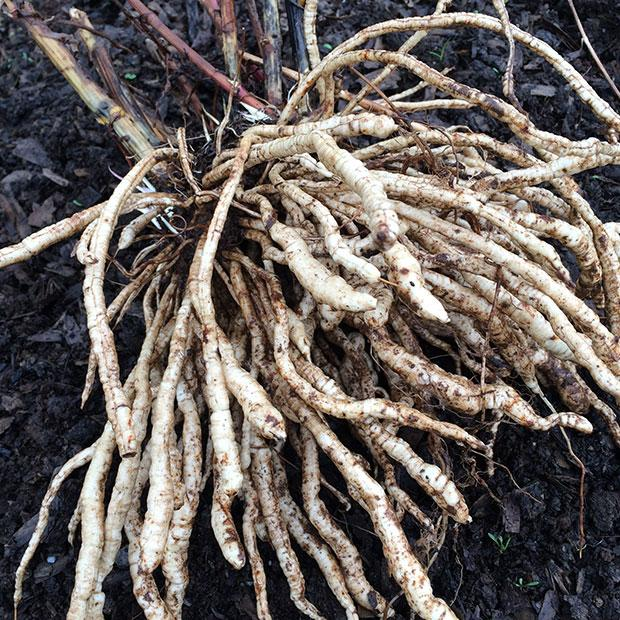
I've been interested in planting some of the things that long ago people used to grow, such as: Skirret, Good King Henry, Sea kale, Turkish rocket, Sorrel, etc... Have you looked into any of these? Are you growing any of them?
🔥
1 like • Jun 11
@Sarah Peterson Hi Sarah. What would you like to know about my time in Europe? I was born and raised there. 😊
🔥
1 like • Jun 14
@Jim Flach we use it in soups and sauces.
Jun 8 •
Do you overhead water?
Do you water your garden where the foliage and soil get wet? Please add clarification in the chat... Thank you
Poll
14 members have voted
🔥
2 likes • Jun 8
@Evelene Sterling I'm also trying to do that as best I can.
May 24 •
The Body-System Observation Map
The First Practical Map: Observing the Whole Person Once we understand constitution as the larger pattern, the next step is simple body-system observation. This is one of the easiest places for families to begin because it uses things we can notice in daily life. We are not diagnosing. We are observing. How is digestion? How is sleep? Is energy steady or up and down? Is the person often cold or often hot? Is the skin dry, oily, flushed, pale, irritated, or damp? Is elimination regular, loose, dry, sluggish, or urgent? Does stress show up as tension, restlessness, anger, worry, heaviness, or exhaustion? Does the person feel worse in winter, summer, damp weather, dry weather, or during seasonal changes? These observations begin to show us the person’s pattern. A child may run hot and restless. An older adult may tend toward dryness. One person’s digestion may become heavy after certain foods. Another person may become tense every time stress builds. This kind of observation matters because herbs are not chosen only by what they are “good for.” They are chosen by whether they fit the person and the pattern being shown. For example, two people may both say they feel tired, although one may be depleted and needing nourishment while another may feel heavy, sluggish, and stuck. Those are not the same pattern. Body-system observation helps us slow down enough to notice the difference. For family herbalism, this is a safe and practical starting place. We learn to see what is happening before we decide what kind of support may fit.
🔥
1 like • May 29
@Phillip Greenwood This made me laugh so hard. I'm German, and no we don't observe our stool every morning or every time we go. What is true is that our toilets are built different so we can easily do that if need be. 🤣
May 27 •
Why Linden May Be a Better Choice Than Lemon Balm
Lemon balm and linden have a lot in common, although they do not support the body in the exact same way. Both are gentle calming herbs. Both can help when the nervous system feels stirred up, sleep is light, stress sits in the chest or stomach, or the evening mind will not settle. Lemon balm is bright, lemony, and uplifting. It can help with anxiety, low mood, nervous digestion, and emotional heaviness. It is a beautiful herb, although it carries a stronger caution around hypothyroidism and thyroid medication, especially with steady daily use. Linden is softer and broader. It calms the nerves, moistens dry tissues, soothes the throat, supports gentle sweating during cold season, relaxes chest tension, and has a long tradition around heart and blood vessel support when stress is part of the pattern. That is why linden may be a better everyday base herb for many family tea blends. It gives a similar calming feel, although it also brings moisture, heart support, throat comfort, and fewer thyroid concerns. A simple way to remember it: Lemon balm is the bright friend that settles the mind and lifts the mood. Linden is the shade tree that helps the whole system soften, breathe, cool, and rest. Both belong in the home apothecary, although linden may be the easier daily choice when we want calm without pushing too hard in one direction.
🔥
3 likes • May 27
@Jim Flach we have linden trees in front of our house and I would love to pick some flowers but there are so many bees there that I don't dare get close. 😆 My grandmother used to make linden tea to get a fever down. It sure does make you sweat.
1-9 of 9

🔥
@ruxandra-meinze-8593
Certified AcuAroma Therapist blending ethically sourced essential oils & acupressure to restore calm & resilience. 🌿
Active 48m ago
Joined Apr 7, 2026
Brunswick, MD