Activity
Mon
Wed
Fri
Sun
Apr
May
Jun
Jul
Aug
Sep
Oct
Nov
Dec
Jan
Feb
What is this?
Less
More
Memberships
Southwest Mushrooms
148 members • $39/month
4 contributions to Southwest Mushrooms

0 likes • 20h
@Elijah Riley Super cool, mind if I ask what region?

3d •
Welcome Our New Community Moderator: Elijah Woods
— thank you for everything you've put into this community. You earned it. Everyone drop a congratulations below. Let's show him what this community is about. - Michael
1 like • 2d
Yes, congratulations
7d •
Quick Tip: How to Tell If Your Grain Is Too Wet vs. Too Dry
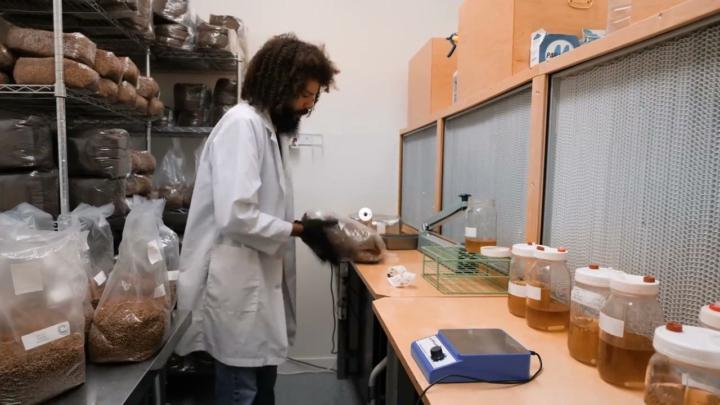
This is one of the most common mistakes I see, and it's easy to fix once you know what to look for. Too Wet: - Grains look shiny or glossy on the surface - - Water pools at the bottom of the jar/bag after sterilization - - Bacterial contamination (sour smell, slimy grain) within days - - Grains clump together and won't shake apart Too Dry: - Grains look chalky or matte - - Mycelium stalls partway through colonization - - Grains crack or split when you squeeze them - - Colonization takes 2-3x longer than expected The Sweet Spot: - Grains should feel firm but not hard - - A grain should crack open when pressed, showing a moist (not wet) interior - - No visible surface moisture after draining - - After sterilization, grains should shake freely without clumping My method: Soak rye grain for 12-18 hours, bring to a simmer for 15 minutes (not a full boil), drain and spread on a screen for 15-20 minutes until the surface moisture evaporates. Dry to the touch but heavy with internal moisture. If you're consistently getting contamination, check your grain moisture before blaming your sterile technique. 9 times out of 10 it's the grain prep.
1 like • 7d
@Michael Crowe Hi Mike, Which is better, or does it matter? PCing 4 3lb bags of oat grain 2.5 hrs. or stuffing those 4 bags in with 4 10lb bags of substrate and PCing 4 hrs. Does the 4 hrs. overcook the grain? All-American 75x PC. What are your thoughts? Thanks
1 like • 6d
@Elijah Woods Wow, thanks for the input, I have never gone that low.
6d •
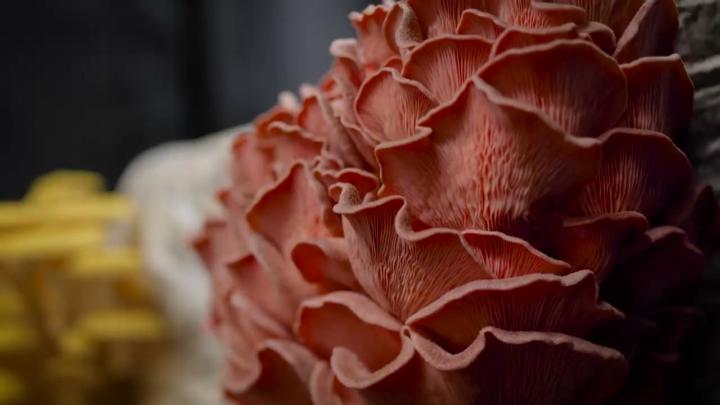
First Harvest Wins. Let's See Them.
This is where you post your wins. First flush, biggest cluster, cleanest block, whatever you're proud of. Drop it here. I want to see what you're growing. Doesn't matter if it's your first bag or your hundredth. Every harvest is worth celebrating. Photos encouraged. Let's fill this up.
2 likes • 6d
Not a big pic taker but sometimes I just have to.
1-4 of 4