Activity
Mon
Wed
Fri
Sun
Nov
Dec
Jan
Feb
Mar
Apr
May
Jun
Jul
Aug
Sep
Oct
What is this?
Less
More
Owned by Ray
I help Skool creators go from being ignored to capturing attention with animated stories that stick and drive passive income.
MM Creator Academy
602
Free
The AI Advantage
130k
Free
Claude Codex Zero
364
Free
Community GROWTH Library
248
5.0
Free
Pinterest Skool
5.3k
5.0
$7/m
The Directory On Skool
1.1k
5.0
Free
The Art Of Going Live
253
5.0
$19/m
Bach Skool of Voice
209
Free
7 contributions to Simcha Healthcare

May 10 •
HAPPY MOTHER'S DAY
Happy Mother’s Day to the women who: - kept tiny humans alive on 4 hours of sleep - ran entire households with cortisol levels that deserved a trophy - somehow always knew when you were lying - and passed down mitochondria with better work ethic than most CEOs Today’s assignment: Post a picture of your mom, your kids, or any other women that was "mom." Today, let’s fill this thread with the faces and stories that shaped us.


3 likes • May 10
Agreed
May 8 •
The Probiotic Industry Doesn’t Want This Friday Class Happening
It’s Friday, so we’re dropping the polite wellness scripts and going straight for the physiology. Today we’re talking probiotics, the supplement aisle’s emotional support animal, and why they’ve been wildly oversold as the fix for every gut symptom you’ve ever had. Your gut isn’t broken because you’re missing a capsule of freeze‑dried bacteria. It’s struggling because the physiology that maintains microbial balance is disrupted. Today we’re pulling the curtain back on what actually drives gut symptoms, why probiotics rarely fix them, and what your gut has been trying to tell you this whole time. The Probiotic Plot Twist Most people think their gut is struggling because they’re “missing probiotics.” Cute theory. Wrong physiology. If your gut was actually missing bacteria, you’d be in the hospital, not the supplement aisle. Here’s the plot twist nobody tells you: Your gut symptoms aren’t coming from a bacteria shortage. They’re coming from a physiology shortage. And probiotics can’t fix that. Let’s go deeper. 1. Your Gut Isn’t a Zoo That Needs More Animals The wellness world sold you the idea that your gut is basically an empty terrarium waiting for new tenants. But your gut already has: - trillions of microbes - thousands of species - a full ecosystem - more genetic material than your human DNA You’re not “low” on bacteria. You’re low on the conditions that keep them balanced. 2. The Real Reason Your Gut Feels Off Gut symptoms show up when the physiology that maintains microbial balance breaks down. Think: - slow motility - low stomach acid - weak bile flow - stressed-out nervous system - unstable blood sugar - inflamed mucosal lining When these systems glitch, your microbes react. Not the other way around. This is why probiotics feel like putting a scented candle in a burning house. 3. Why Probiotics Don’t Do What You Think Most probiotics: - don’t colonize - don’t rebuild your gut - don’t fix the root cause - don’t change the ecosystem long-term

2 likes • May 8
What's your view on this? Waste of money?
1 like • May 9
@Dr. Peninah Wood Ph.D yep always follow the money. We use kefir as well. I'll stick with that.
Apr 16 •
Root Canals - What's your Take?
Many years ago before becoming more awake to what is actually going on in this world with medicine and dental, I had a root canal done. Seeing your recent post on metal toxicity got me thinking on this again. I remember watching a documentary on Netflix called The Root Cause (didn't last long there), and this was the main topic of discussion. But I am curious what's your take on the root canals and having them removed?

1 like • Apr 17
@Dr. Peninah Wood Ph.D weird I don't see it.
1 like • Apr 19
Do you think I should have it removed?

3 likes • Mar 15
@Dr. Peninah Wood Ph.D free yep. But also only 6 second vidz
2 likes • Mar 16
@Tracy Lynn Jackson I use Vyond but I start with the development of stories first as part of my community.
Mar 15 •
DAILY SIMCHA SCIENCE - SATURDAY 03/15/2026
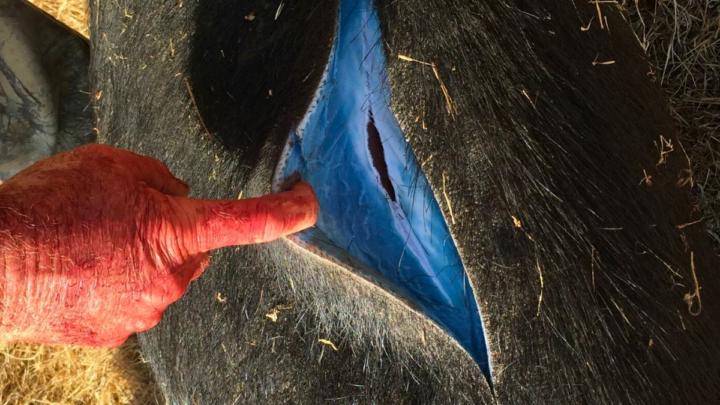
Wild Pigs Turning 'Neon Blue' in California Triggered Warnings Game hunters found startlingly 'neon blue' flesh inside wild pigs in California in 2025, prompting advisory statements about potential contamination. "I'm not talking about a little blue," Dan Burton, owner of a wildlife control company, told Salvador Hernandez at The Los Angeles Times. "I'm talking about neon blue, blueberry blue." An investigation by local authorities found that the dramatic color change was caused by rodenticide poisoning, prompting them to issue a warning throughout Monterey County. Rat poisons containing the chemical compound diphacinone are often sold dyed blue for identification. The compound's use has been highly restricted in California since 2024. "Hunters should be aware that the meat of game animals, such as wild pig, deer, bear, and geese, might be contaminated if that game animal has been exposed to rodenticides," said pesticide investigations coordinator Ryan Bourbour from the California Department of Fish and Wildlife (CDFW). "Rodenticide exposure can be a concern for non-target wildlife in areas where applications occur in proximity to wildlife habitat." Concerningly, this isn't the first time wild pigs in the region have had their innards tainted blue. A popular rodent control in agriculture, diphacinone is a first-generation rodenticide that acts as an anticoagulant, causing severe internal bleeding. It works by binding to an enzyme that recycles vitamin K. This reduces available vitamin K, making it impossible for animal livers to produce enough of the clotting factors crucial to prevent internal bleeding. Predators, including humans, who eat an animal poisoned with the toxin can become ill themselves; while the chemical breaks down faster than second-generation rodenticides, diphacinone remains active in the dead animal's tissues for some time, even if it's cooked. Wildlife groups globally have long been urging us to stop relying on chemical pesticides because of the collateral damage these poisons inflict. From owls to bees, pesticides are causing great harm to wildlife.
1 like • Mar 15
Woah. That's nuts.
1-7 of 7
@ray-handley-4653
Learn how to make a passive income with animated video.
Active 1d ago
Joined Feb 27, 2026
INTJ
Auckland