
Write something

🔥
May 17 •
Steak 'n Shake taps MAHA officer as fast-food chain joins
RFK Jr's push to overhaul American diet. This is great. In recent months, the chain has switched to cooking fries, tater tots and other fried items in 100% beef tallow, eliminating seed oils from those products, Fox News Digital previously reported. Other updates include the use of 100% Wisconsin butter in place of seed oils, offering cane sugar Coca-Cola as an alternative to high-fructose corn syrup and switching to a2 milk products (using a type of cow's milk that may be easier for some people to digest). Steak 'n Shake has also reportedly indicated plans to move toward grass-fed beef and removing microwaves from kitchens in favor of more traditional cooking methods. They have already switched to grass-fed beef since this article was written. https://www.foxnews.com/food-drink/steak-n-shake-taps-maha-officer-fast-food-chain-joins-rfk-jrs-push-overhaul-american-diet
🔥
Apr 26 •
Weekly Simcha Science - Sunday 04/25/26
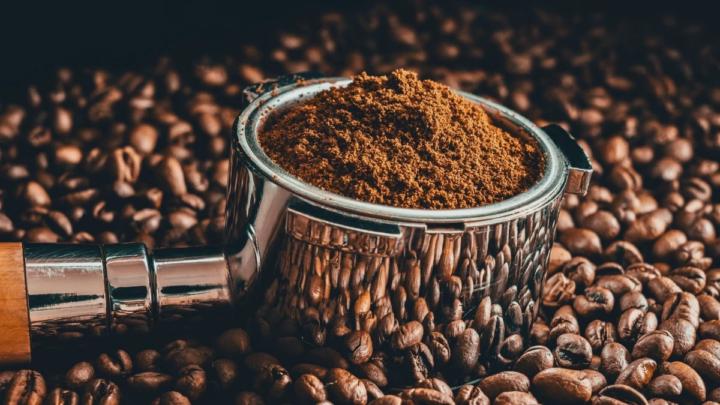
I am changing this to weekly instead of daily. Scientists Discover an Amazing New Use For Your Leftover Coffee Grounds Scientists in South Korea have found a clever new use for your old coffee grounds: Insulation. A team from Jeonbuk National University (JBNU) converted coffee waste into a material that was just as effective at insulation as materials currently used in buildings. The advantage is that the new material is made from renewable sources rather than fossil fuels and, when it comes time to dispose of it, it's biodegradable. "Coffee waste is produced on a massive scale worldwide, yet most of it ends up in landfills or is incinerated," says Seong Yun Kim, materials engineer at JBNU. "Our work shows that this abundant waste stream can be upcycled into a high-value material that performs as well as commercial insulation products while being far more sustainable." Collectively, the world drinks about 2,25 billion cups of coffee every day, and that translates into a huge amount of discarded grounds. Most of this waste is burned or buried, which is as bad for the environment as dumping it down the drain. Instead, scientists are increasingly finding more useful things to do with old coffee grounds. Recent studies have explored adding the stuff to concrete and other paving materials, using it to remove herbicides from the environment, and even extracting new drug compounds from it. In the new study, the JBNU team investigated how well coffee grounds could function as a thermally insulating material. First, spent coffee grounds were dried out in an oven at 80 degrees Celsius (176 degrees Fahrenheit) for a week. Then, they were cooked at much higher temperatures to produce a carbon-rich material known as blochar. Next, this biochar was treated with environmentally friendly solvents, water, ethanol, and propylene glycol, and then mixed with a natural polymer called ethyl cellulose. Finally, the powdery mixture is compressed and heated into a composite material.
🔥
Apr 19 •
DAILY SIMCHA SCIENCE - SUNDAY 04/19/26
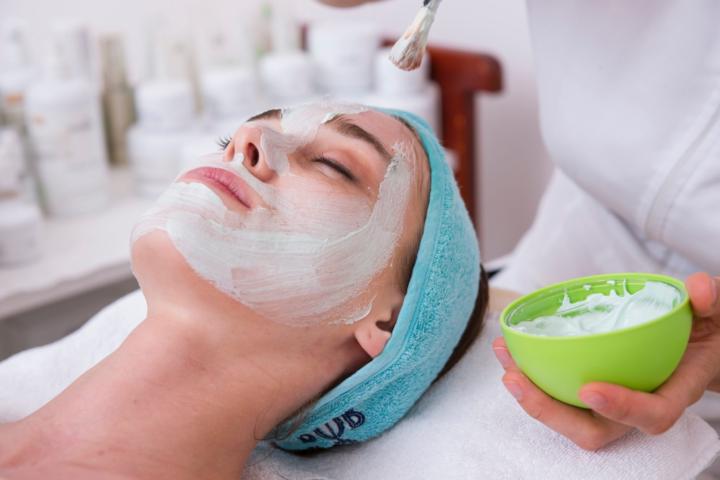
The 4 Skincare Ingredients that Age You the Most Why do you use skincare products? It may sound like a silly question. The answer should be obvious, right? Most will say, “I use skincare products to care for my skin, keep it young and fresh and prevent aging.” But what if some of those very skincare products you used were actually causing the very aging and damage you’re trying to prevent? In fact, many of those products can increase the damage done to your skin by other chemicals you encounter during the day, and lead to more serious internal damage, too. In this post, I want to focus on the four skincare ingredients that you should be most aware, and wary of. These four ingredients are likely to accelerate aging and can lead to real damage to more than just your skin, but to your internal organs and functions. By the end of this post, you’ll have a new respect for your skincare products, and see everything you put on your skin in a brand-new light. The Four Skincare Ingredients that Age You the Most 1. Water This may sound crazy, but it’s 100% real. Water in skincare products can absolutely be a danger. Why is that? Well, to begin with, the presence of water allows any water-soluble chemicals and toxins also present in those products to be absorbed into your skin and reach your bloodstream, where they’re dispersed throughout your body. The presence of water also requires manufacturers to add chemicals (like formaldehyde and parabens) as preservatives to keep mold and bacteria from growing. These chemicals can be incredibly harmful to your skin and contribute to biological aging. If there is both water and oil-based ingredients in your skincare products (which there almost certainly are), then chemical emulsifiers will have to be added to keep the water and oil from separating. Some emulsifiers, such as sodium laureth sulfate (also known as SLS), can be toxic and may cause skin irritation. 2. Fragrance The term “fragrance” is used to describe hundreds of different (unspecified) chemicals and ingredients that add fragrance to skincare products.
🔥
Apr 19 •
DAILY SIMCHA SCIENCE - SATURDAY 04/18/26
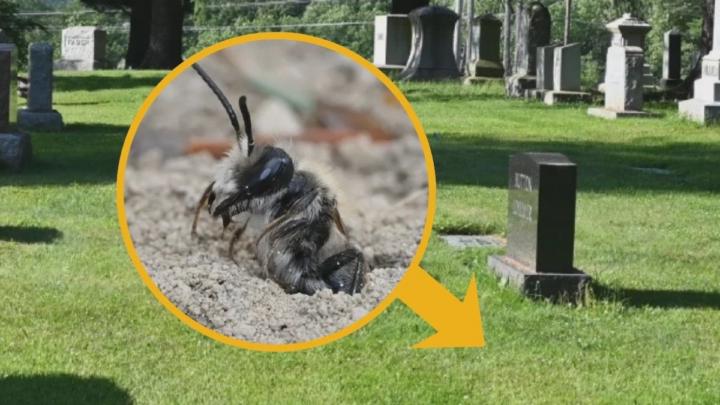
Scientists Found 5.5 Million Bees Living Beneath a New York Cemetery Millions of buried creatures burst forth each spring from beneath the soil of a cemetery in Ithaca, New York. It's not the return of the living dead; it's one of the world's largest aggregations of ground-nesting bees, ravenous for pollen. Entomologists at Cornell University estimate that East Lawn Cemetery is home to around 5.5 million individual regular miner bees (Andrena regularis), a species that does not live in a colonial hive, as honeybees do, but instead spends most of its life in solitude in underground burrows. And though A. regularis was already a known inhabitant of the cemetery, with records of the species' presence dating back to 1935, it wasn't until 2021 that the full scale of this nearby bee aggregation became apparent. Rachel Fordyce, a technician at a Cornell entomology lab, discovered the massive nesting aggregation after finding a sneaky free parking spot a few blocks from campus. While crossing the cemetery grounds on her way to work one spring day, she was able to capture a jarful of bees to show her colleagues that this site might be worth checking out. In New York, A. regularis emerges from the ground around April each year to eat pollen, mate, and, for females, to dig brood burrows in which their larvae, well-stocked with pollen and nectar, can spend the winter growing in preparation for next spring's flight. "This species overwinters as adults, which is relatively rare, and that's part of the reason why they come up out of the ground so early in the spring, timed to the apple bloom," says biologist and the paper's first author Steve Hoge, a Cornell undergraduate student at the time of the research. The research team began fieldwork in the spring of 2023, setting up 10 emergence traps: tents measuring 36 square centimeters (5.6 square inches), open at the bottom, placed over the bees' nests, which funnel insects into a plastic collection jar, trapping them in 70 percent ethanol.
2
0
1-30 of 78

skool.com/simcha-healthcare-3222
Helping people optimize health, energy, mindset, and wellness by addressing root causes through Functional, Nutritional and Holistic Medicine.
Leaderboard (30-day)
1

🔥
+61
2

+29
3

🔥
+20
4

+10
5

+7
Powered by