Activity
Mon
Wed
Fri
Sun
Aug
Sep
Oct
Nov
Dec
Jan
Feb
Mar
Apr
May
Jun
Jul
What is this?
Less
More
Memberships
The Unspoken Advantage
49 members • Free
7 contributions to The Unspoken Advantage

Apr 20 •
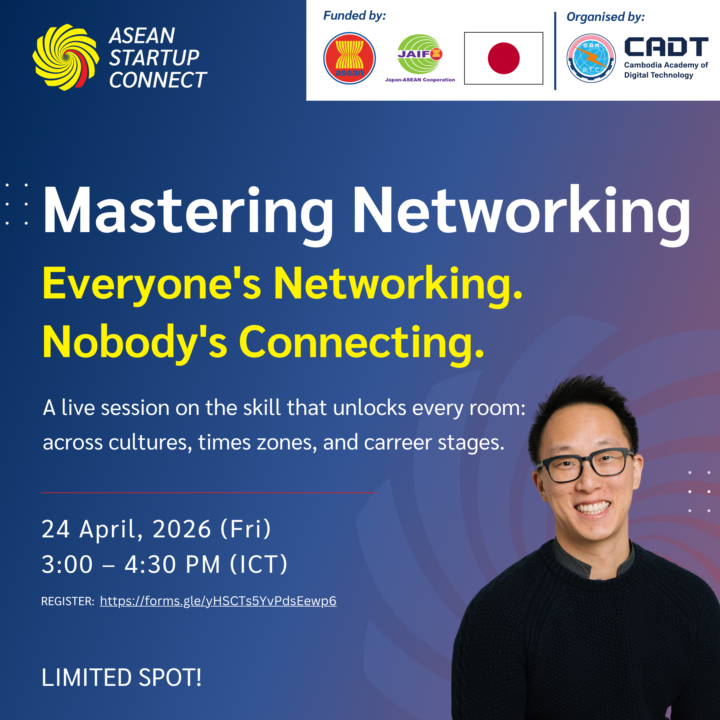
Exclusive Webinar | Mastering Networking
Networking gets you in the room. Connecting is why they remember you. Join us this Friday for an exclusive 90-minute live session on the skill that works across every culture, career stage, and time zone. Register via link below 👇
0 likes • Apr 20
Register here: https://forms.gle/yHSCTs5YvPdsEewp6
Apr 13 •
Exclusive Mastering Networking Webinar | 24th April
Networking gets you in the room. Connecting is why they remember you. Join us on Friday, 24th April for an exclusive 90-minute live session on the skill that works across every culture, career stage, and time zone. #mastering #networking 👇 Spots limited, register now: https://forms.gle/yHSCTs5YvPdsEewp6
1
0
Apr 9 •
MASTERING NETWORKING WEBINAR
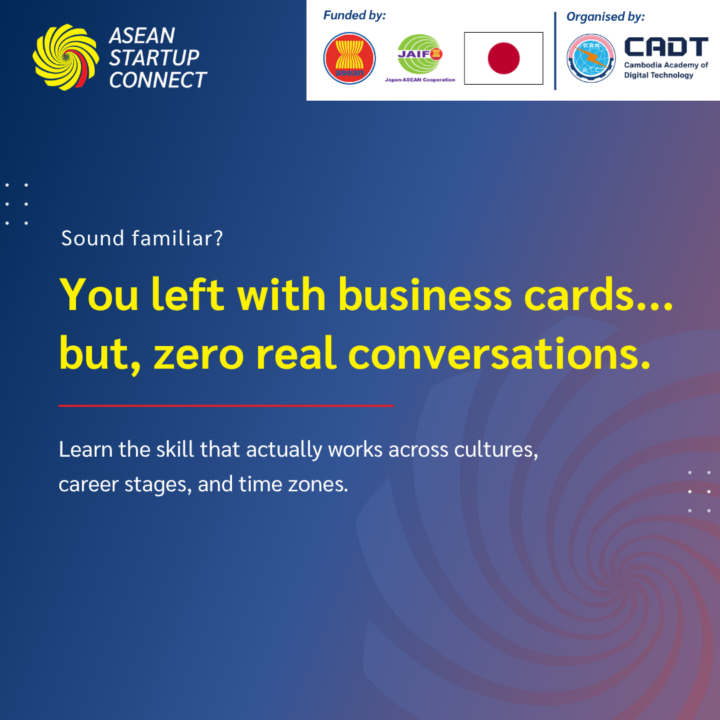
Most people walk into a room thinking: what can I get from this? That question is exactly why nothing real happens. You already know the tips. So why does networking still feel hollow? Because the problem is not what you say. It is who you are before you say it. Join us for a live 90-minute session on the skill that actually works across cultures, career stages, and time zones. Not tips. Not scripts. The thing underneath all of it. Date: Friday, April 24 Time: 3pm ICT Find out what changes when you show up differently. Register here: https://forms.gle/yHSCTs5YvPdsEewp6
1
0

Mar 18 •
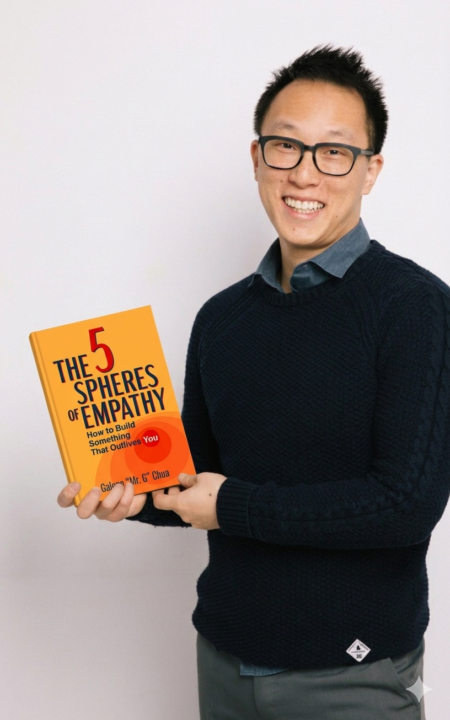
5 Spheres of Empathy
I wrote a book for you 😁 The 5 Spheres of Empathy: How to Build Something That Outlives You. Here's the first look at the cover. It's a framework I've been building over 15 years working with founders, governments and NGOs all around the world. It's not about being kind. It's about making better decisions for the people your work actually affects - including the ones you'll never meet. If you'd like to know when it drops, sign up here below! Also coming in Polish (5 Sfer Empatii).
0 likes • Mar 24
Looking forward to seeing the book 😸
Mar 24 •
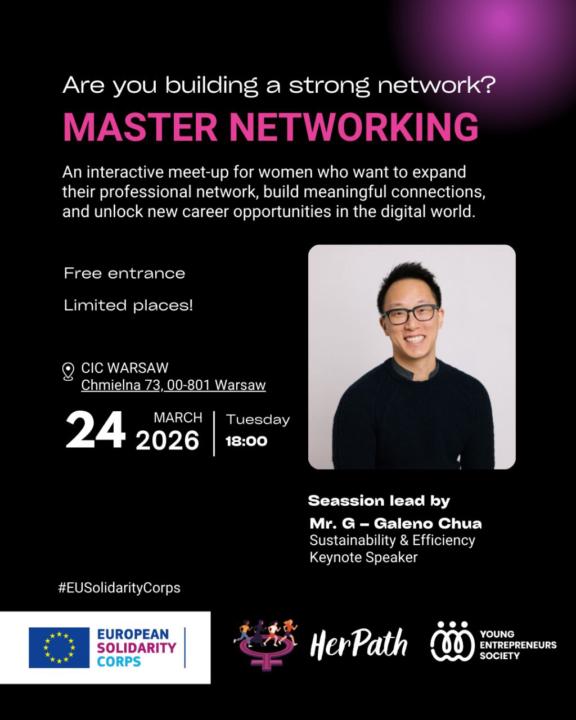
Master Networking Session Thread 24.03.2026
📣 If you're here from the Mastering Networking session with Mr. G. at CIC Warsaw. This is the right place. To get the most out of the session: 🔗 Open Optomize: https://chatgpt.com/g/g-67efedb68b88819188f8e16518032210-optomize-the-business-sustainability-ai-agent-mvp Paste these three questions in and let it coach you through them. REMEMBER: If it's not honest, it's not useful, right down everything. Copy from here: --- Coach me to master my networking, I'm attending a session with Mr. G, who's covering interpersonal communication and the first 3 of the 5 spheres of empathy from a networking perspective, defensive energy and influence. I'm now answering these questions below to kickstart an actionable plan I can take immediately to improve my ability to network. My name is 1. When you walk into a room full of people you don't know, what's the story you tell yourself about who you are in that moment? 2. What does being here today get you — and what's the version of that answer you'd be less comfortable saying out loud? 3. Think of someone who made you feel genuinely seen in a conversation. What did they do — and do you do that for others? ---- Then reply here with the one sentence that felt most true and most uncomfortable. We'll start the session from there :)
0 likes • Mar 24
Awww! What a great sharing. Wish there’s a live broadcast
1-7 of 7
@rath-serey-9044
Conference Manager and Mentorship Program Coordinator @ASEAN STARTUP CONNECT
Active 63d ago
Joined Jan 29, 2026