Activity
Mon
Wed
Fri
Sun
May
Jun
Jul
Aug
Sep
Oct
Nov
Dec
Jan
Feb
Mar
What is this?
Less
More
Owned by Emmanuel
Fix your credit. Get funded. Build or scale your funding business or Skool community using proven systems behind $30M+ in approvals.
Private community to fix your credit, become funding-ready, and access capital. Learn the systems lenders evaluate to scale your business.
Memberships
Get 720 Credit Ready
386 members • Free
Small Business Skool
28 members • Free
Community Launch
11.2k members • Free
Digital Gold Rush
149 members • $22/month
AI Automations W/ Jaylen
204 members • Free
After Hours
10 members • $97/month
Rebel AI Academy
171 members • $22/month
Rebel ASMR
141 members • $22/month
Roast & Promote 🔥📢
134 members • Free
1 contribution to Simcha Healthcare

🔥
Mar 1 •
DAILY SIMCHA SCIENCE - SUNDAY 03/01/26
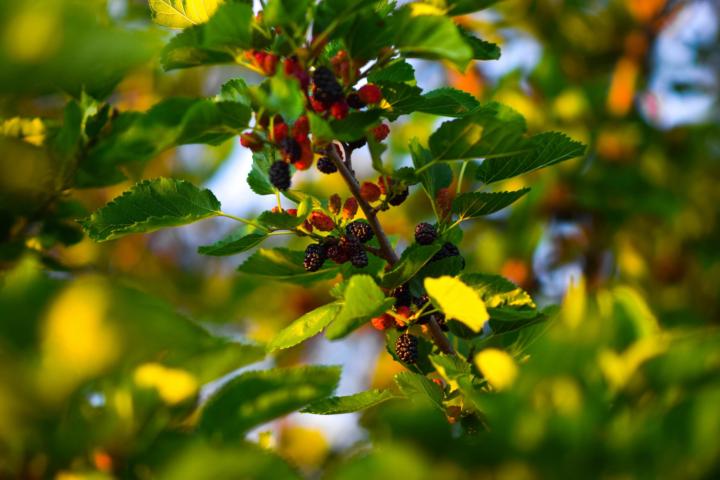
Nutritional Profile of Mulberry Leaves When most people think of the best part of a mulberry tree, they immediately think of the fruit. Tasty, dark, used in a range of jams and pies, they’re an absolute delight. But it turns out that the delicious fruit is only the second-best part of the mulberry tree (called “Morus alba”). The best part is actually the leaves, which are packed with an amazing assortment of micronutrients, which can offer some pretty spectacular benefits. In fact, the leaves have been used in Traditional Chinese Medicine for centuries because of how potent they are. Let’s start off with the basics: what nutrients do mulberry leaves contain? Mulberry leaves are rich in: - Vitamin C; - Phosphorus; - Magnesium - Calcium; - Zinc; - Iron - Potassium. You might be thinking, “Well, hang on, are you telling me you can actually eat the leaves?” The answer is an unequivocal yes. A lot of foragers eat black, white, or red mulberry leaves. They consider the leaves a staple as part of a “wild salad." When the leaves are young and tender, they’re fully edible, either raw or cooked. However, the most common use of white, red, and black mulberry leaves is in teas and tinctures. Mulberry leaf tea has been a staple herbal remedy for thousands of years, used for its medicinal properties. 9 Amazing Mulberry Leaf Benefits Control Blood Sugar Naturally Fight Obesity Enhance Cardiovascular Health Potential Cancer-Fighting Properties Boost Skin and Hair Health Support Immune Function and Detoxification Improve Digestive Health Strengthen Bone and Joint Health Promote Healthy Sleep and Reduce Stress Risks and Precautions for Mulberry Leaves Some people report stomach discomfort after consuming the sap of mulberry leaves, known as “latex,” whether raw, cooked, or in tea. However, many others tolerate it well and have no adverse effects. Some minor side effects have been reported including: - Constipation; - Bloating; - Dizziness; - Nausea; - Diarrhea.

🔥
2 likes • Mar 1
I learnt something new today, yaayyyyy
🔥
1 like • Mar 1
@Dr. Peninah Wood Ph.D I love that
1-1 of 1

🔥
@nuelnelson
$30M+ funded | 200+ credit transformations | 50+ funding businesses built | Capital & Credit Strategist
Active 4m ago
Joined Feb 25, 2026
Florida
Powered by