Activity
Mon
Wed
Fri
Sun
Jun
Jul
Aug
Sep
Oct
Nov
Dec
Jan
Feb
Mar
Apr
What is this?
Less
More
Owned by Matthew
We Build the Individual, Who Builds the Outcome.
The FREE Community for Impossible Performance, where we Build the Individual who Builds the Outcome.
Memberships
The Hard Way Fitness
54 members • Free
NMI Connection Creator Academy
32 members • $10/month
AAA Wealth Builders
24 members • $247/m
Evolve Now Social
1.8k members • Free
Skool Speedrun
152 members • $9/month
Cowboy Up Wellness
6 members • Free
Business Leadership Trenches
11 members • Free
CULTURE ARCHITECTS COMMUNITY
20 members • Free
Skoolers
193.1k members • Free
4 contributions to Business Leadership Trenches

9d •
👉 Managing the People Who Manage You
If you’ve ever worked for a volunteer Board of Directors—especially one that’s inexperienced—you know the reality: You’re not just doing your job…You’re also teaching governance, boundaries, financial literacy, and sometimes basic organizational structure in real time. And that can get frustrating fast. Here’s the truth most people won’t say out loud:When a board doesn’t know its role, everything becomes reactive, emotional, and inefficient. And as the operator, you feel it first. So how do you stay professional, effective—and not lose your cool? 🔹 1. Anchor back to roles (every time)Board = governance, strategy, oversightYou = operations, executionWhen things blur, calmly bring it back to “What decision are you trying to make, and at what level?” 🔹 2. Don’t take it personallyMost volunteer board members aren’t trying to be difficult—they just don’t know what they don’t know.Frustration usually comes from lack of clarity, not bad intent. 🔹 3. Slow the conversation downWhen things get heated or chaotic, your job is to regulate the room.“Let’s pause and walk through this step-by-step.”You set the tone. 🔹 4. Educate in small dosesYou don’t need to “fix” the board overnight.Give just enough context to guide better decisions in the moment. Over time, this compounds. 🔹 5. Use structure as your best friendAgendas. Board packets. Clear recommendations.If you bring order, you reduce confusion—and confusion is where most tension lives. 🔹 6. Pick your battlesNot every hill is worth dying on.Focus on what impacts compliance, financial stability, and mission delivery first. 🔹 7. Have a reset phrase readyWhen you feel yourself getting frustrated, default to something neutral and grounding:“Let’s come back to the objective.”“Help me understand the outcome you’re looking for.” Simple—but powerful. 💬 Let’s talk about it: - Have you ever had to “coach up” a board while doing your job? - What’s the hardest part—lack of knowledge, boundaries, or communication? - What’s one thing you wish every board member understood before they started?


🔥
1 like • 9d
This is huge, leading up and down the chain of command is so important 🙏🏻❤️🔥
16d •
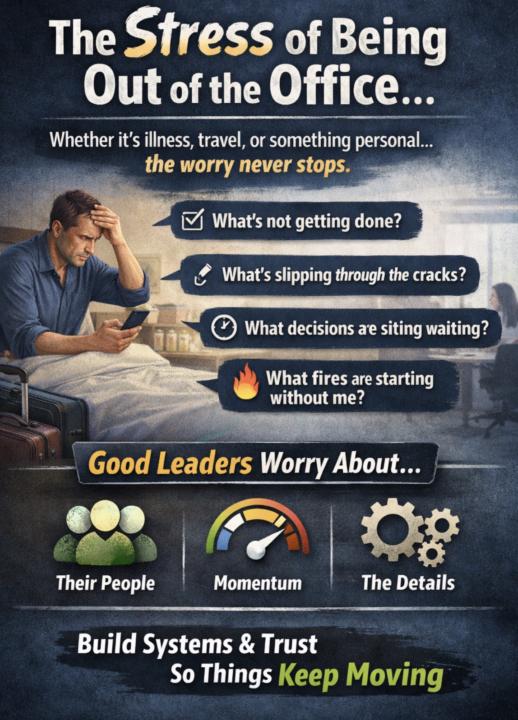
One thing that doesn’t get talked about enough…
The stress the “boss” carries when they’re unexpectedly out of the office. Whether it’s illness, travel, or something personal—stepping away isn’t always relief. It’s often layered with questions running in the background: What’s not getting done? What’s slipping through the cracks? What decisions are sitting waiting? What fires might be starting without me there? Even with a strong team, there’s still that weight of responsibility that doesn’t fully turn off. Good leaders don’t just worry about tasks—they worry about people, momentum, and the ripple effects of their absence. The real shift happens when you build systems, trust, and clarity strong enough that things keep moving—even when you step away. That’s not just good operations… that’s sustainable leadership. Curious—what’s the hardest part for you when you have to step away unexpectedly?
🔥
1 like • 16d
I think the key here like you mention is building incredibly resolute systems, and empowering and training leadership at multiple levels below you. I am blessed to have an assistant manger and front store manager that have been incredibly open and receptive to 1:1 leadership training in a ton of different situations. They understand the systems fully and helped design most of them, so when I leave, I know nothing major will slip through, and anything that does can be caught up. Without those two, the whole system would likely start to derail, so I guess for me, building strong leaders below me has been one of the biggest leverages. 🙏🏻
18d •
Classroom Update
I dropped a video last night, sorry for my voice- this cold is kicking my butt! I’m still working on the mini series I promised but I just presented this at a conference next week. Breaking the Stigma is available now in the classroom and on YouTube.
🔥
0 likes • 17d
Excited to check this out, thank you!! 🙏🏻
20d •
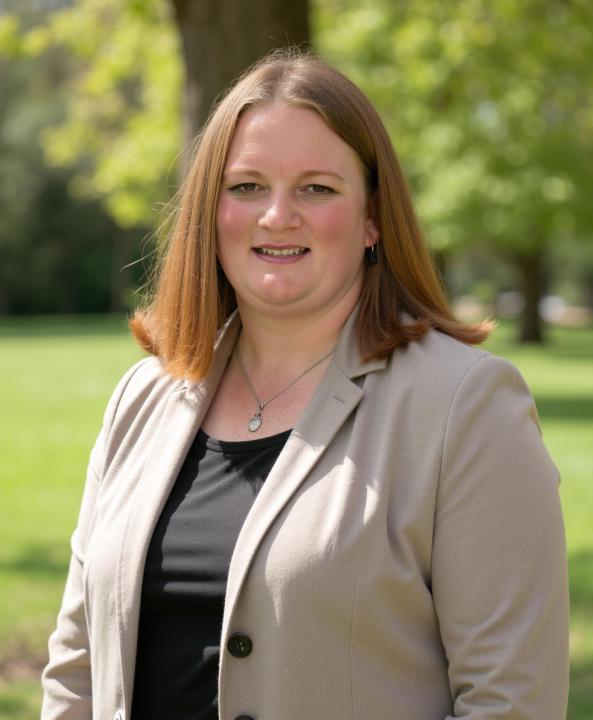
Hi everyone—I'm Sarah
I’m a leader, consultant, and someone who has spent a lot of years in the real, messy work of building things, fixing things, and sometimes just holding things together when everything feels like it’s falling apart. On paper, my background is in business, HR, and leadership. I hold degrees in Human Resources, Business Leadership, and an MBA—but the truth is, most of what I bring to the table wasn’t learned in a classroom. It came from navigating some incredibly difficult seasons both personally and professionally, where there wasn’t a roadmap and the stakes were very real. For over a decade, I’ve lived in a constant state of problem-solving and resilience—balancing leadership roles, building businesses, and caring for my daughter through serious medical and mental health challenges. There were seasons of hospitals, unknowns, and decisions no parent is ever really prepared to make. At the same time, I was still showing up professionally, leading teams, managing operations, and being the steady one others relied on. That experience changes you. It strips away the fluff and teaches you how to prioritize, how to make decisions under pressure, and how to lead with both strength and realism. It’s why my approach today is very grounded—focused on what actually works, not what looks good on paper. Professionally, I’ve built Phoenix Consulting to support organizations that are navigating growth, transition, or challenges that feel overwhelming. I specialize in stepping into situations where things are unclear, systems are strained, or leadership needs to reset and move forward with intention. Most recently, in my role with Homer Senior Citizens, I stepped into an organization facing significant operational and financial challenges. This included rebuilding financial structures, identifying gaps in processes, addressing compliance concerns, and working through incomplete or unclear historical records. It hasn’t been easy work—and it’s not quick work. But it’s important work.
🔥
0 likes • 18d
Great work @Sarah Weideman!! 🙏🏻
1-4 of 4

🔥
@matthew-hill-5757
In the Business of Human Potential ❤️🔥
I help you Build the Individual who Builds the Outcome ❤️🔥 The Impossible Podcast
Active 4h ago
Joined Apr 11, 2026
Columbus, OH