Activity
Mon
Wed
Fri
Sun
Aug
Sep
Oct
Nov
Dec
Jan
Feb
Mar
Apr
May
Jun
Jul
What is this?
Less
More
Owned by Sarah
Real-world business leadership. Practical tools, tough conversations, and honest support for leaders in the trenches.
A private community for leaders ready to move from chaos to control—focused on real-world strategy, systems, and execution that drives results.
Memberships
Connection Creator Academy
33 members • $5/month
The Impossible Collective
36 members • Free
Synthesizer: Free Skool Growth
44.6k members • Free
Grow My Skool
255 members • Free
Skool of Business Fails
12 members • Free
Small Business Skool
74 members • Free
Evolve Now Social
2.4k members • Free
Business Builder’s Boardroom
394 members • Free
Skoolers
165.3k members • Free
35 contributions to Business Leadership Trenches

Jun 7 •
To meet or not to meet... that is the question
Take a moment and think about the job you have now, a job you had before... now answer these questions: 1. what meetings are effective and add value? 2. What meetings are ineffective and need to change or be eliminated? (ya know those "this could have been an email" meetings)

Jun 3 •
Long week… and it’s only Tuesday
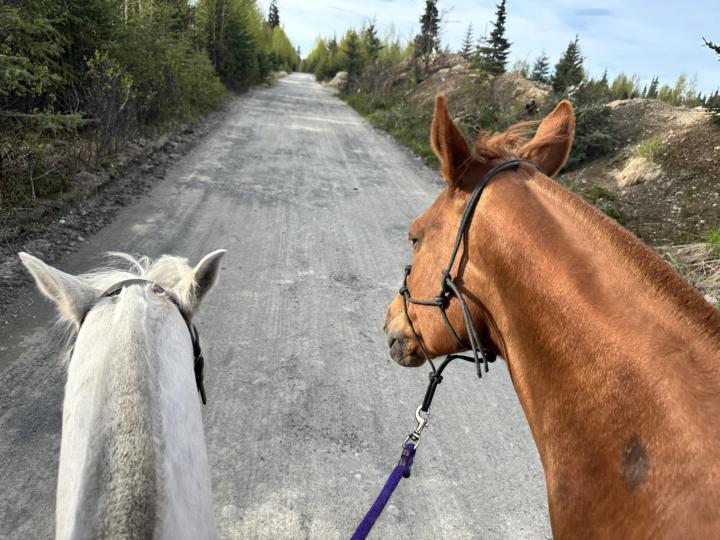
Some weeks are just longggggg even when they have only been 2 days. How do you de-stress? Mine is pictured below.
3
0
May 31 •
Somewhere Along the Line, We Forgot How to Lose
Today something tragic happened in Las Vegas within the equestrian world. A young woman allegedly made the choice to harm multiple horses belonging to competitors — some reportedly belonging to people she had just publicly congratulated and supported on social media moments before. The full details have yet to come out, and right now much of what is circulating is still speculation. As this unfolds, there will no doubt be more answers, more questions, and a lot of heartbreak. But sitting here tonight, I cannot stop thinking about what we as a society are teaching our younger generations about competition, failure, identity, and self-worth. Have we reached a point where losing feels so unbearable that some people no longer know how to process it in healthy ways? Somewhere along the line, it feels like we stopped teaching that it is okay to lose. That there will always be winners, losers, and people who cheer for both. That another person’s success does not diminish your own value. That character matters more than the buckle, ribbon, title, or check. My heart breaks for everyone affected. It breaks for the horses. It breaks for the competitors, the families, the trainers, and the friendships that will never look the same again. And honestly… it breaks for the future of a sport I deeply love. I am not a barrel racer, but this will ripple far beyond one discipline. This will be talked about across the entire equestrian world because trust, sportsmanship, and integrity are foundational in every barn, every arena, and every event. The scary part is this mindset is not isolated to horses. If this exists here, it exists in schools. In workplaces. In business. In communities. In everyday life. Maybe it is time we start having harder conversations about resilience, accountability, emotional regulation, jealousy, and what healthy competition is actually supposed to look like. Winning matters. But who you become in the process matters far more.
1
0
May 30 •
From the Trenches to the Podcast Mic 🎙️🔥
Had a fantastic connection call with Shawn Ziem today and even got to make a quick appearance on his podcast! Conversations like these remind me how valuable it is to connect with other leaders, creators, and people building things in the real world. There’s something powerful about honest conversations around business, leadership, growth, and the chaos that comes with all of it. I’m looking forward to life settling down a bit and getting more time back in front of the computer connecting with all of you consistently again. Between leadership, rebuilding organizations, and life outside of work, things have been moving fast lately — but this community and these conversations matter to me. Hope everyone enjoys the episode when it comes out! More to come soon. 🔥
1-10 of 35

@sarah-weideman-5437
I’m a leader and problem-solver passionate about building strong teams, developing leaders, and creating spaces where people feel supported & capable.
Active 37d ago
Joined Apr 4, 2026
Alaska