Activity
Mon
Wed
Fri
Sun
Aug
Sep
Oct
Nov
Dec
Jan
Feb
Mar
Apr
May
Jun
Jul
What is this?
Less
More
Owned by Maria
🌿 A warm community where women share dreams, navigate menopause, explore new possibilities, and flourish together. 💚
Memberships
Skool Geeks
126 members • Free
Digital Growth Community
60.7k members • Free
She Stacks Wealth™
1k members • Free
The Teen Years Sanctuary
18 members • $17/month
Overstimulated Mom Gang
5 members • Free
The Shine Lounge
81 members • $1
South Africa is LEKKER!
134 members • Free
workwithsydney
3.1k members • Free
SkoolHers
532 members • $9/month
102 contributions to South Africa is LEKKER!

🔥
9h •
Baking is my passion
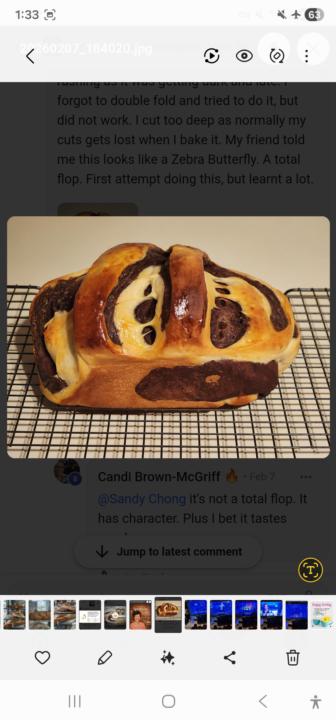
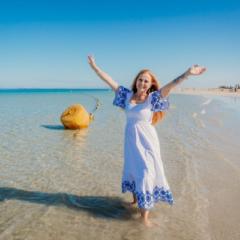
Thank-you so much for this wonderful opportunity to win this awesome Leaderboards. I appreciate this awesome community for all the wonderful childhood memories as well as lifting me up when I am homesick. I have made so many wonderful friends and to which I am grateful. You guys are more than lekker. My passion is baking and my mom always reprimanded me as a child, you better learn to cook as your hubby cannot just eat cake alone. Marie Antoinette's bad influence. Guess, what hubby loves his desserts and growing sideways, I now have to portion control my bakes. I was fortunate to stumble across this awesome Crust and Crumb Academy community and joined end of January as my sourdough bakes were not much to be desired. I could not shape my dough and had to scoop, aim and throw it in a baking pan. I have now improved tremendously with Henry Hunter's guidance and assistance at least now it is dough and not a soupy mess. I know a lot of people are petrified of sourdough to my amazement even those soupy loaves actually tasted so much better than the stores. I have gifted often and everybody loves it and even beg me to bake for them only if they knew. 🤪 The best bakes are the desserts with my discards and everybody loves them. I have posted my second bake-along disaster I created an alien spaceship and now I bake a half descent loaves as I understand where I was going wrong. I would love to invite you all to join me in this gratifying and self fullfilling Academy and learn to bake with me. No, pressure to bake and even just to learn all the wonderful tricks of the trades what the bakeries do which really fascinates me to bits. Here is the link to our awesome Crust and Crumb Academy. https://www.skool.com/crust-crumb-academy-7621/about?ref=d1d544174fe74ebf92fc971fff0b8ebe&utm_campaign=skool_link_direct_message&utm_content=13e654e2bf564698b4723e66de95bfe9
3 likes • 8h
WOW this looks interesting and congrats! I cannot remember when last I baked anything 🤭 @Sandy Chong and that is your Skool Community?
2 likes • 7h
@Sandy Chong WOW this sounds amazing. Thanks for sharing.
8h •
Did you know? ZA
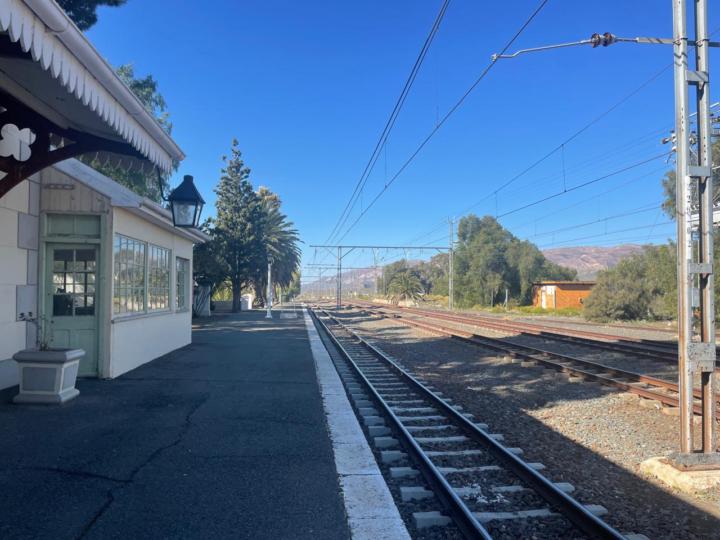
𝐎𝐧𝐞 𝐨𝐟 𝐭𝐡𝐞 𝐰𝐨𝐫𝐥𝐝’𝐬 𝐦𝐨𝐬𝐭 𝐥𝐮𝐱𝐮𝐫𝐢𝐨𝐮𝐬 𝐫𝐨𝐥𝐥𝐢𝐧𝐠 𝐟𝐢𝐯𝐞-𝐬𝐭𝐚𝐫 𝐡𝐨𝐭𝐞𝐥𝐬 𝐢𝐬 𝐟𝐨𝐮𝐧𝐝 𝐫𝐢𝐠𝐡𝐭 𝐡𝐞𝐫𝐞 𝐢𝐧 𝐒𝐨𝐮𝐭𝐡 𝐀𝐟𝐫𝐢𝐜𝐚! 🚆✨ 𝙏𝙝𝙚 𝘽𝙡𝙪𝙚 𝙏𝙧𝙖𝙞𝙣, iconic for its deep sapphire hull, glides along a 1,660-kilometre route connecting Pretoria and Cape Town. It turns a long trek into pure luxury over a 27-hour journey. Here is what makes this local legend so special: - Personal Butlers: Around-the-clock service for every single guest. - Luxury Compartments: Fully carpeted, sunlit suites with private en-suite bathrooms. - Tailored Lounges: Separate, elegant lounge cars for smokers and non-smokers. - The Observation Car: Giant windows for panoramic views of our beautiful landscape. - It is absolute world-class luxury, right in our own backyard. Tickets start at around ZAR 25,820.00 per person sharing in the low season. Let me hear from you! Have you ever been on the Blue Train? Have you seen it? And lastly, will you pay these fees for this experience? 👇💬 SA is lekker! 🇿🇦❤️ PS: Photos taken in Matjiesfontein—one of the historic stations where The Blue Train stops for guests to step off, stretch their legs, and explore a bit of local history.
1 like • 7h
I felt very honored to see the train one December in Matjiesfontein. Train trips were the highlight of our year. 🚂💙 As children, my three sisters and I travelled from Port Elizabeth to Durban almost every June school holiday, and those are some of my happiest memories. Mom would buy us Pick n Mix sweets, pack our little radio and games, and the four of us would laugh and play for hours. Years later, I was brave enough to take my own two children on a train trip from Pretoria to Port Elizabeth. It wasn't quite the same—safety had become a real concern—but I'm so grateful we got to make those memories together. It wasn't the luxury of the Blue Train that made those journeys special. It was the excitement, the adventure, the family time, and the memories that have stayed with me for a lifetime. I could talk about those train trips for hours. ❤️ PS: and yes, die stoom-treine was nog die beste.
🔥
5d •
🎉 The SA Is Lekker Competition is Officially Over! 🎉
A huge congratulations to our winner, @Zak King 🏆👏 Thank you to everyone who participated, shared your affiliate links, and helped grow the SA Is Lekker community. Your support and enthusiasm have been incredible! 💚💛 Zak, we'll be in touch shortly to collect your details and arrange delivery of your exclusive SA Is Lekker Hoodie. 🔥 To everyone who took part—thank you for making this competition such a success. Stay tuned because we've got more exciting opportunities, competitions, and rewards coming soon! Together, we're making the SA Is Lekker community bigger and better every day. 💚

3 likes • 7h
@Zak King Well done!
🔥
1d •
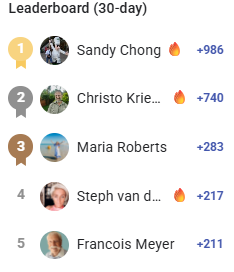
🏆 Top 5 Leaderboard Results Are In!
A huge congratulations to our Top 5 members on the SA is Lekker Leaderboard! 🎉 @Sandy Chong @Christo Kriegler @Maria Roberts @Steph van der Merwe @Francois Meyer 👏 Thank you all for your amazing support, fun posts, comments, and for helping make this community such a lekker place to be! 🥇 A special congratulations to @Sandy Chong for finishing in 1st place! 🎉 As our leaderboard winner, @Sandy Chong has won a pinned post of her choice! 📌✨ We can't wait to feature whatever she'd like to share with the community. @Sandy Chong( dm me your post!!) To everyone else—thank you for being part of SA is Lekker. Keep joining the conversations, sharing your South African pride, and supporting one another. The next leaderboard is already underway, and the #1 spot could be yours! ❤️ Well done, everyone! 🎊
4 likes • 8h
Well done! @Christo Kriegler @Steph van der Merwe @Francois Meyer
2 likes • 7h
@Christo Kriegler Thanks.
🔥
3d •
✨ It's Friday... which means Mom gets the night off!
Friday nights are made for takeout, and in our house, my absolute favorite has to be the Creamy Hot Pot from Fishaways. 😍 It's the perfect comfort meal to kick off the weekend! Now it's your turn... 👇 🍔🍕🍣 What's your go-to takeout order on a Friday night? Share your favorite in the comments—we're always looking for new ideas! 🎥 Check out the video to see what we're enjoying tonight, and don't forget to let us know what you're ordering!
2 likes • 8h
@Pat Van Schalkwyk I also prefer that Pat. 🤭
4 likes • 8h
Friday night was also my night off and we use to order Nando's or Mimmo's Pizza.
1-10 of 102
@maria-roberts-3776
Hi, a Digital Marketer/Life Coach helping women thrive in midlife, earn online & find joy in Flourishing Space🌸
Active 2h ago
Joined Dec 6, 2025
South Africa
Powered by