Activity
Mon
Wed
Fri
Sun
Apr
May
Jun
Jul
Aug
Sep
Oct
Nov
Dec
Jan
Feb
Mar
What is this?
Less
More
Memberships
Publisher Sea - KDP & ADS
472 members • Free
Royalty Guild. Amazon KDP
253 members • Free
Driven Publishers
4.1k members • Free
The 1% KDP Publishing Club
1.2k members • Free
4 contributions to Royalty Guild. Amazon KDP

Dec '25 •
✨ If BookBounty-Like Services Are Toast, How To Collect Reviews?
This is by no means an idle question for the year 2026. If you want the answer right away, there is a detailed plan published today in the Classroom. Briefly, we need to use the most underutilized method: our contacts. Sure thing, you must comply with Amazon rules. Amazon “Customer Reviews / Community Guidelines” page guided who may not review your book: “We don’t allow a review by someone who has a direct or indirect financial interest in the product. We don’t allow a review by someone perceived to have a close personal relationship with the product’s owner, author or artist.” Another passage from Amazon’s self-publishing guidance: “You may provide free or discounted copies of your books to readers, as long as you do not require a review in exchange or attempt to influence the review.” Here is the simple rule: anyone who benefits from your success should not review your book. Anyone who has no stake in your sales can review it. People you CAN ask for a review: • Readers you know casually who did not work on the book. • Members of your email list who subscribed willingly. • Colleagues who have no financial or personal stake in the book. • Followers from your social media audience. • Beta readers who did not get paid and did not contribute editorial work. People you should avoid from asking for a review: • Close family. Amazon often blocks these reviews automatically. • Close friends when Amazon can see a strong connection. • Anyone you paid. This includes editors, designers, ghostwriters, formatters, and marketers. • Business partners or employees.• Anyone you trade reviews with. Amazon treats that as manipulation. • People who received compensation of any kind beyond a free copy. A safe pattern is this. Give people an easy path to read your book. Ask for a review only if they want to leave one, and never guide what they say. Amazon looks for bias, and bias usually shows up in relationships or incentives.

4 likes • Dec '25
Is BookBounty still usable or all such services practically dead?
1 like • Nov '25
@Igor O books to train the brain 🙂 but your answer sounds fun 😄
1 like • Nov '25
@Igor O thank you!
Nov '25 •
🆕 New members. Welcome! (Freebies here)
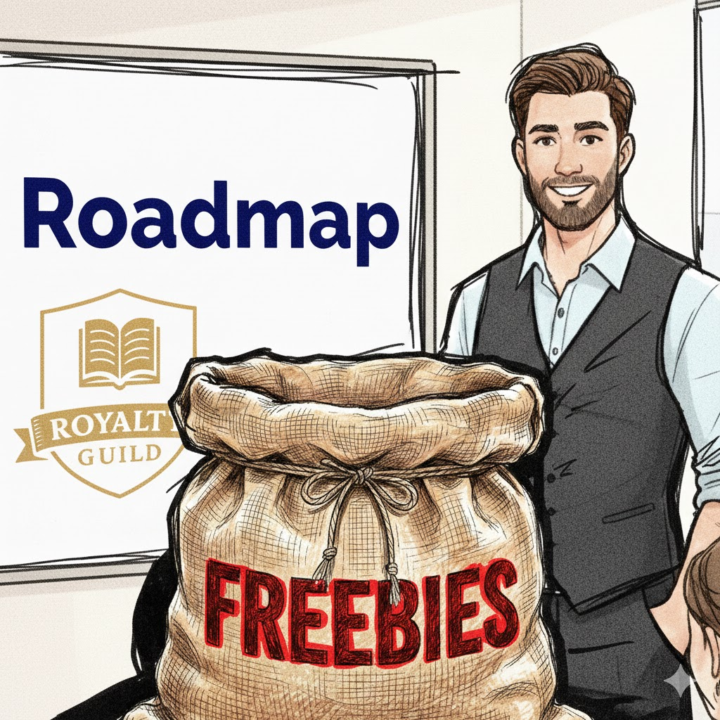
It's great you joined the Guild! If you prefer to start with the structure, KDP Roadmap 2.0 provides it. This roadmap shows the complete transformation from idea to royalties. It’s not a fixed document but a living outline of your KDP journey. 〰️〰️〰️〰️〰️〰️〰️〰️〰️〰️〰️〰️〰️〰️〰️〰️〰️ 🤑 Special offers for the Premium members: BookVillage (Review Collection Service): 30 days for free, and a special offer after the trial. Get ProtectMyWork (Independent Witness for Copyright Protection): 20% discount (£8.50) for the first year. Get 〰️〰️〰️〰️〰️〰️〰️〰️〰️〰️〰️〰️〰️〰️〰️〰️〰️ 🆓 Special offers for all members: BookVillage (Review Collection Service): 30 days for free, and a special offer after the trial. Get 〰️〰️〰️〰️〰️〰️〰️〰️〰️〰️〰️〰️〰️〰️〰️〰️〰️ Let your royalties be high and have fun!
1 like • Nov '25
👋
Nov '25 •
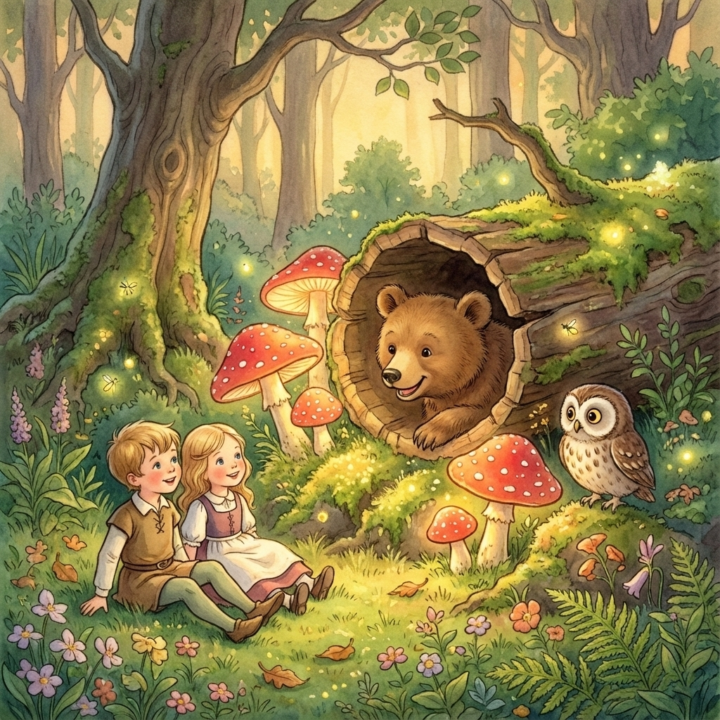
🖼️ Illustrations with Consistent Characters. How-To
The long-awaited process for creating high-quality illustrations with consistent characters is now available in the Classroom: https://www.skool.com/guild/classroom/c0dc43d2 (available to all members with Level 2 and above). If you are still at Level 1, write a comment or publish a new topic to give other members the opportunity to like your work. You only need five likes to reach Level 2. Please share your feedback on the process to collectively improve it.
3 likes • Nov '25
Looks very nice! Thank you!
1-4 of 4
@mantautas-dan-4598
Parent with a passion for creating things
Online now
Joined Nov 4, 2025
Powered by