Activity
Mon
Wed
Fri
Sun
Jun
Jul
Aug
Sep
Oct
Nov
Dec
Jan
Feb
Mar
Apr
What is this?
Less
More
Owned by Leonard
This group is for parents, teachers, administrators of schools, universities, and juvenile services personnel that support our young people.
Memberships
Advocates for Young Men by EFC
1.4k members • Free
Skoolers
193.1k members • Free
Strategic Scale Club
2.6k members • Free
100 contributions to Inspiring Leadership in School

2d •
Language Matters
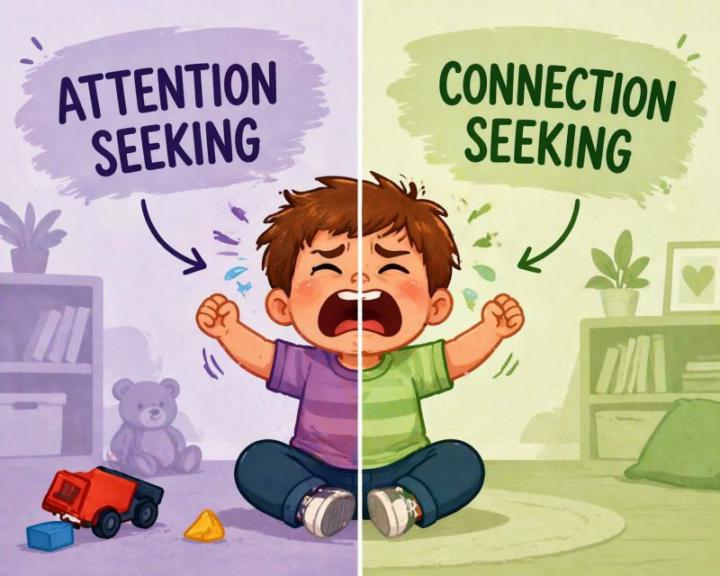
The language we use with children becomes the lens through which we understand them. We use words like: “behavior issues” “noncompliant” “attention-seeking” “defiant” And often without realizing it, those words used by adults are placing the problem inside the child. They imply the child is the issue, that they’re choosing to be difficult, that they need to be fixed. Even the word “behavior” has taken on a negative edge. Most of the time, the word gets used when something is going wrong. But behavior itself isn’t good or bad; it’s simply an action. How we talk about it matters, because children are listening. The language adults use becomes a child’s internal dialogue. Over time, labels don’t just describe behavior, they shape identity. They also shape regulation. Harsh or confrontational language can activate a child’s stress response, making it harder for them to process information or use the skills we expect from them. But what if we change the language? Instead of “behavior issues” → “communication of need” Instead of “noncompliant” → “lacking the skills or support to meet expectations” Instead of “attention-seeking” → “connection-seeking” Instead of “defiant” → “protective” or “feeling unsafe” This isn’t about avoiding accountability. It’s about being accurate. Behavior doesn’t happen in a vacuum. And children, especially those who have experienced stress or trauma, aren’t trying to be difficult. They’re trying to adapt. Language frames perception, and perception drives intervention. If we want different outcomes, we have to start there.
0
0
3d •
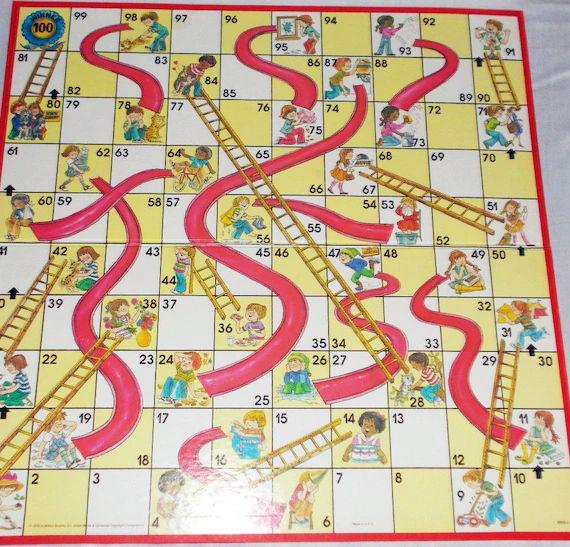
Chutes and Ladders
"Chutes and Ladders" is a sharp analogy for how students experience learning — every classroom has chutes (where progress slips) and ladders (where it accelerates). Worth a read for anyone designing instruction this spring.
0
0
7d •
This Isn’t About Jobs. It’s About Who Students Become
We keep hearing this… “School shouldn’t just prepare kids for jobs.” Agreed. But here’s the miss… When students engage in real work, real problems, and real people, they don’t just become employable… they become confident, clear, and capable humans. This isn’t about jobs. It’s about who students become. If we actually want fulfilled, healthy young people… we have to stop separating learning from the real world. https://www.peterhostrawser.com/blog/this-isnt-about-jobs-its-about-who-students-become
0
0
7d •
The challenge: A system that punishes rather than protects
In 2021, juvenile systems detained around 25,000 girls and gender expansive youth, with thousands more placed in out-of-home facilities. Most weren’t locked up for crimes, but for minor offenses that are really cries for help. Girls are disproportionately incarcerated for technical violations of probation and status offenses such as running away, truancy, or “incorrigibility,” often stemming from experiences of violence, trauma, and discrimination. If every state in the country banned youth incarceration for misdemeanor or lower-level charges, girls’ incarceration would come to a permanent end in most communities. Girls and gender expansive youth in detention are disproportionately poor, LGBTQ+, and youth of color: Black girls are incarcerated at more than 2.5 times the rate of white girls, and Native American girls more than four times. Instead of offering support or understanding, systems wrongfully incarcerate girls and gender expansive youth to discipline noncriminal violations, protect the young person’s own safety, or provide access to services and basic needs that should be available to all children in the community.
0
0

8d •
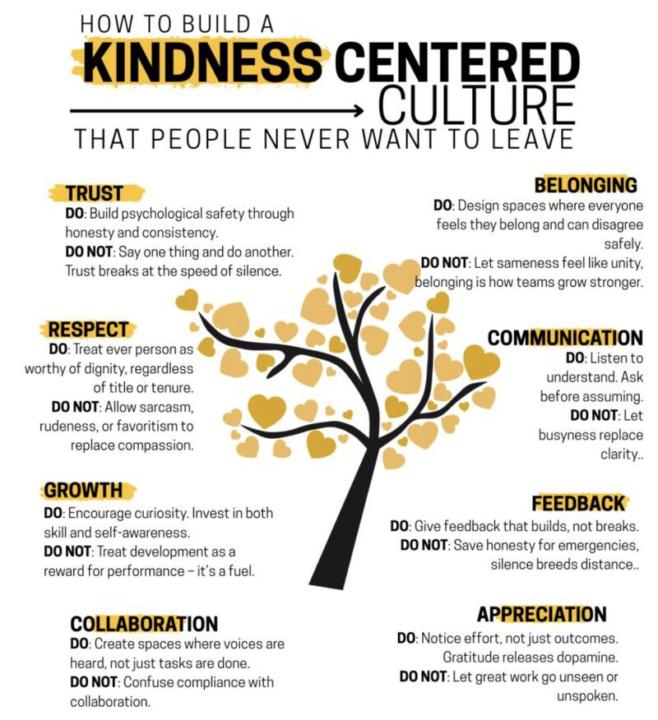
How to build a kindness centered culture
What if the same principles that build a kindness-centered workplace also transformed how we engage families? Trust, respect, belonging, and clear communication aren’t “nice to haves” in schools—they are the foundation of authentic family engagement. When families feel seen, heard, and valued, they don’t just participate -- they partner. If we want schools where students thrive, we must first create cultures where families feel they belong. When I led a family engagement presentation in California on Friday, one of my colleagues said, "You're talking about how we operationalize authenticity." I know that many schools and organizations espouse the values below; it's important that we actually spend more time talking about how we will enact them as systems
0
0
1-10 of 100
@leonard-webb-3800
Mr. Webb is a husband, father, award winning author and educator. He retired from law enforcement to focus on improving education of students
Active 2d ago
Joined Sep 12, 2025
Maryland