Activity
Mon
Wed
Fri
Sun
Mar
Apr
May
Jun
Jul
Aug
Sep
Oct
Nov
Dec
Jan
Feb
What is this?
Less
More
Owned by Kaz
Learn about health, fitness and leadership from a qualified personal trainer and British Army officer in the Educational and Training Services.
Memberships
1 contribution to MVP Training Solutions

28d •
Difficult conversations with respect and outcomes
Difficult conversations address performance gaps, conflict, misconduct, or misalignment while protecting dignity and keeping expectations clear. Leaders prepare with specific observations, impact statements, and a clear outcome they need from the conversation. They manage emotions through calm tone, active listening, and firm boundaries around standards. They also document agreements, define next steps, and schedule follow-up to ensure change occurs. Effective difficult conversations protect culture, reduce resentment, and reinforce accountability. Question: What outcome do you need to define before starting a difficult conversation?

1 like • 26d
100% and having a low threshold for raising concerns is a great way to make sure things don’t quietly build up
1-1 of 1
@kaz-murray-4003
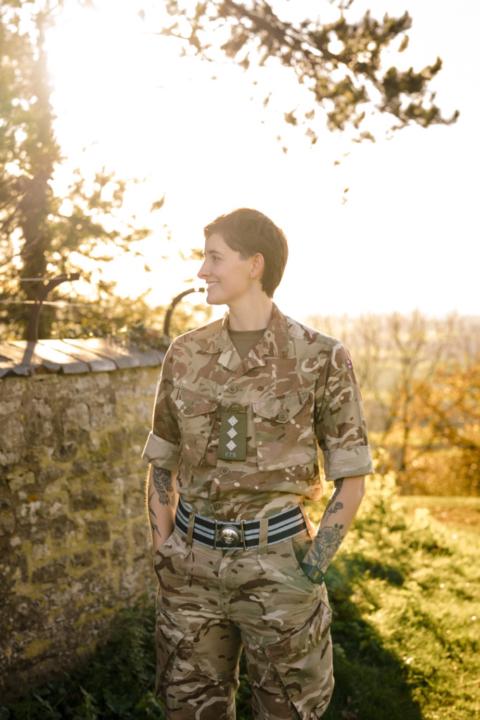
Foster kid > Army Officer & Personal trainer. I give civilians access to military level leadership and fitness
Active 11d ago
Joined Jan 11, 2026