Activity
Mon
Wed
Fri
Sun
May
Jun
Jul
Aug
Sep
Oct
Nov
Dec
Jan
Feb
Mar
Apr
What is this?
Less
More
Memberships
MasterGrief
397 members • Free
10 contributions to MasterGrief

4d •
My Daughter’s One Year
These were my thoughts on the 4th of April; This past year has been one of the hardest journeys any of us could have imagined. Grief has come in waves—sometimes quiet and heavy, sometimes overwhelming and unexpected. We’ve felt sadness, anger, confusion, and even moments of guilt for laughing or smiling again. Every emotion has been real, and every one of them has been a reflection of how deeply we love her. There isn’t a single day that has gone by without thinking of Sonja. Not one moment where she hasn’t been missed. The pain of losing her has changed us all, and in many ways, it always will. But I also know that I can’t live in the “what ifs” or in what could have been. As hard as it is, I won’t dwell there. Instead, I choose to honor Sonja’s memory by focusing on the beautiful life she did live—the love she gave, the joy she brought, and the light she left behind in all of us. So today, as much as this day marks one year without her, I’m choosing to see it differently. I’m choosing not to focus on the day we lost her—but on the 6,093 days we had her. Because to me, 6,093 days will always be greater than one. 6,093 days of her laughter. 6,093 days of her light. 6,093 days of memories, love, and moments that shaped who she was and who we are because of her. Those days mattered. Her life mattered. And her love didn’t end—it lives on in every one of us, in the way we remember her, speak her name, and carry her forward. Today is not just about grief. It’s about honoring Sonja—her life, her spirit, and the love she gave so freely. It’s about holding onto those 6,093 days and letting them shine brighter than the darkness of this one. Thank you, Toni 🫶🏼

1 like • 4d
Very beautiful. Im so sorry mamma. I know just how much the loss of a daughter hurts. Its been almost a year and a half for me. Its such an exhausting journey. 🩵💜
0 likes • 2d
@Isela Romero yes!!

1 like • 3d
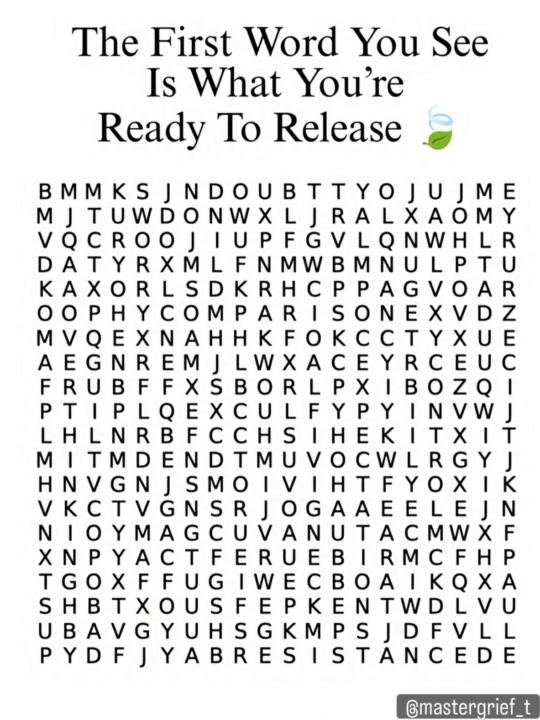
Jog
0 likes • 3d
I think I found someone else's word. Lol
8d •
Retreat in August - who is going?
Hey everyone. I thought i would start the conversation on who is going to the retreat in August. I can't wait!!! I thought we could get to know one another, coordinate some travel plans if need be... in case we want to ride the train together or share ride fares! I will be arriving at LaGuardia at 8am on Thursday and won't be leaving until Monday morning. I know Jen and I plan to share a room on Sunday night (somewhere btwn manhattan and the airport) but if more are staying Sun night maybe we can all stay at the same hotel or go out for dinner! Just a brief intro for those of you who don't know me yet.. I'm Katrina and I lost my 19yr daughter in Oct 2024. I became a grief coach in June 2025. I do all I can to always carry my daughter with me in any new endeavors, as well "passing forward" the kindness and unconditional love she taught me during her life. I will be running support groups here on Skool within the next few months too! I can't wait to meet all of you here...and then in PERSON!! Sending love to all of you!! ♥️🧡💛💚💙💜💗
0 likes • 6d
Jen and I will be staying Sunday night in NY and flying out Monday. We will be staying at The Hilton Garden Inn Long Island City, NY. Sunday night... if anyone else ia staying or will be in town that night and want to get together!
0 likes • 6d
@Olivia Healy im flying out of knoxville!!
12d •
1.5yrs without my daughter...
I am coming up on a year and a half without my daughter… and I still don’t understand how time can move like this. It feels broken. The last time I saw her feels like it was just yesterday… and also like a lifetime ago. Both truths exist at the same time, and neither one makes sense. In the beginning, the pain was violent. It felt like I was being torn apart piece by piece… like broken bones pushing through skin. Sharp, constant… impossible to escape. Now the pain has changed—but it hasn’t gone anywhere. It’s more like those bones are back where they belong… but they healed wrong. Like a deep arthritis that never lets you forget it’s there. You can function… but it aches all the time. I once heard another grieving mom say it feels like a million little papercuts all throughout the day… every single day. And that’s exactly it. Not always the same sharp agony as the beginning… but constant. Lingering. Everywhere. And somewhere along the way… grief stopped feeling like something I had to fight every second. It started to feel… familiar. Almost like a warm blanket I didn’t ask for… but don’t want taken away either because I’ve come to see it differently now. Grief is just the flip side of love’s coin. It’s where my daughter still exists for me. And in a way that feels complicated to even say out loud… I was “lucky.” Although I will never know what happened that night, (and not knowing will always sit heavy in me), I do know this - she died peacefully. She simply fell asleep in the bathtub and drowned. She never woke up, never felt any panic. She came into this world from the warmth of my womb… and she left it cradled in warmth, too. There’s something in that to hold on to when everything else feels unbearable. I’m still figuring out who I even am now. This version of me that had to survive something I never thought I could. But I’m still here. Because of Toni (a LOT of props to her)… because of the friendships I’ve made through Mastergrief… because of my grief tribe… my family.. and all the people who just "get it" without needing it explained.
0 likes • 8d
@James R Fleenor ♥️♥️♥️
0 likes • 8d
@Christine McClenthan thank you 💜

24d •
I’m an adult orphan.
4 years ago I lost my mother to an overdose she never raised me and was estranged so it didn’t hurt as much as my fathers death but still hurt. In December my father died. He was stuck in addictions and his health declined and he got sicker and got septic and ended up passing in hospital after I had to decide to stop all life saving medications. I was there off and on his last 4 years also estranged most of our life we were raised in foster care. I built some kind of relationship with him the last 4 years even tried calling him dad or pops. His addiction always pulled him back so I had to step away as my health was important (I was pregnant during this time) when he got sick my son was very young and I tried so hard to help him. So losing him I felt like I failed myself him, my son. Everyone.
0 likes • 23d
@Kendra George It was just so lucky that "my" daughter found my husband when she did. She was told he gave up his rights and that he never wanted her and he never even knew about her. Once we found her (and she was in a very abusive home) we immediately started petitioning for custody and it took us 2 years but we got her! She still talks with her moms side of the family but shes been pur daughter since the momebt we found out avout her even if it took a few years to move her to our home/state. Foster care must've been so hard. I hope you were with good and loving adults. ❤️
1 like • 23d
@Kendra George ugh thats so hard... all of it. I was so thankful my husband's daughter found us so that we could give her the love and family she deserved. I cant begin to say I know how you feel. I never will... but I do know what my faughter went thru and I wouldn't want any child to suffer like that. I hope you found "your people" within your husband's family 💜
1-10 of 10
@katrina-journeaux-9372
Mother of 4, grieving 19yr old daughter. Accredited Grief Coach. Owner of IntermissionGrief.com and Journeaux Jewelry. Toni's bff (she doesn't know)
Active 15h ago
Joined Jan 27, 2026