Activity
Mon
Wed
Fri
Sun
Sep
Oct
Nov
Dec
Jan
Feb
Mar
Apr
May
Jun
Jul
Aug
What is this?
Less
More
Memberships
Automation Station
3.4k members • Free
Pure Life Mindset
1.7k members • $5/month
The Sales Dojo
689 members • Free
31 contributions to The Sales Dojo

Apr 8 •
Free Website Build
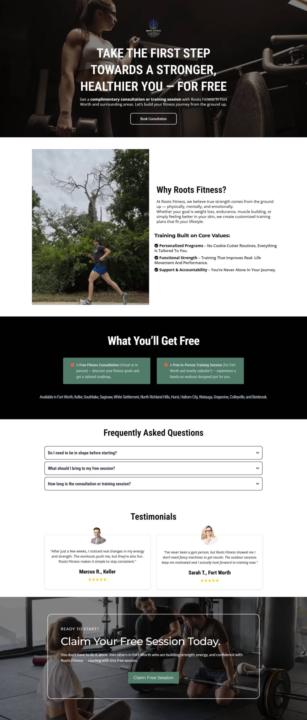
Hey everyone I recently had my fitness website built by someone who really knows their stuff, and honestly, the whole process was smooth and way more strategic than I expected. They focused on keeping the design clean, making sure everything flowed well, and structuring it in a way that actually helps turn visitors into leads, not just something that looks good. Right now, they’re offering to build a few websites for free to grow their portfolio. It’s limited, but I figured it might help someone here who’s been putting off getting their site done. If you’ve been needing a proper website (or an upgrade), this could be a solid opportunity. By the way, what’s been holding you back from getting your website set up or improved?
0
0
Apr 1 •
Why your business needs newsletters
I’ll be honest, I was getting a lot of things wrong in my business. I was posting consistently on social media, trying to keep up with trends, hoping each post would bring in customers… but it felt like I was always starting from zero. One day I’d get engagement, the next day, nothing. It was frustrating. Then I had a conversation with a marketing strategist, and he pointed out something that completely changed how I see things. He said “You don’t own your audience on social media.” That hit me. He introduced me to newsletters, and at first I thought, “emails? really?” But once I understood it, everything started to make sense. A newsletter is more than just sending emails, it’s a direct connection to people who actually want to hear from you. No algorithms deciding who sees your content. No guessing games. Since then, I’ve realized how powerful it is for a business: - You stay connected with your audience consistently - You build real trust over time - You’re not dependent on social platforms - And when you have something to offer, you’re talking to people who already know you Looking back, not having a newsletter was actually holding my business back. I was putting in effort, but I didn’t have anything to keep my audience. Setting one up turned out to be way simpler than I expected. You just need: - A platform (like Mailchimp, ConvertKit, or Beehiiv) - A signup form - And a simple plan to show up regularly That’s it. So if you’re a business owner and you’ve been where I was, doing everything but still feeling stuck, I’d love to help. He's offering to help a few businesses set up their newsletter for free (just to build out his portfolio a bit more). It’s a limited offer, so he won’t be able to take on too many. And if you’ve got questions about newsletters or you’re just curious, feel free to ask. I’m always happy to share what I’ve learned. Just wanted to put this out there in case someone else needs it.
1
0
Mar 19 •
Sales Funnel
Let me share something that changed how I see sales in my business… Not too long ago, I used to get a lot of interest, people viewing my posts, asking questions, even showing serious interest… But somehow, many of them still didn’t end up buying. At first, I thought maybe it was my product… or my pricing, But after speaking with a marketing expert, I realized I was looking at the wrong thing. That was when they explained something to me called a *sales funnel*. At first, it sounded like one of those big grammar terms 😅, But the way they broke it down made it very simple. He said: “A sales funnel is just the step-by-step journey someone takes before they finally buy from you.” That explanation alone shifted my mindset. Because when I looked at my business, I started noticing the process clearly: Someone sees my post → gets interested → checks my page → watches for a while → builds trust → then decides to buy. That whole journey… is the sales funnel. And the truth is, every business already has this, whether we’re aware of it or not. The difference is, some people understand it and structure it well… others (like me before) just leave it and hope for the best. What really helped me was understanding this part: Not everyone is ready to buy immediately, Some people are just discovering you, Some are still observing quietly, Some just need more time or trust. Once I understood this, I stopped trying to rush sales… and started focusing on guiding people through that process. And honestly, it made a big difference. Here’s what I’ve personally noticed since then: • I don’t feel like I’m chasing customers anymore • People trust my business more before buying • My efforts bring better results • I understand my customers better And the best part is, this applies no matter what you sell. In my next post, I’ll break it down properly and show you how you can actually set up your own sales funnel step by step. But for now, I’d like to hear from you… Have you ever noticed this kind of process in your business before? Or is this your first time hearing about it?
0 likes • Mar 19
@Marwah Khaffaf Yes i do. With the right strategies and help. Do you know how sales funnel work?
Mar 7 •
A Wonderful Week
I wanted to share something interesting that happened to me this past week. I’m a small business owner and I sell fashion accessories, clothes, jewelry, and other fashion items. For a while now, I’ve been selling locally through my physical store in town, and thankfully the sales have been pretty good. Recently I connected with a freelancer who opened my eyes to something I hadn’t really thought about deeply before. He explained that while selling locally is great, a website can actually help you reach people far beyond your city. People from other states, even other countries, can discover your products online. It’s basically like having a store that’s open to the whole world, not just the people who can physically walk into your shop. After talking with him, I understood how powerful that could be for my business. The only problem was that I didn’t have the budget to build a website at the moment. Surprisingly, he told me he would design the website for me for free, I would just need to purchase the domain and hosting. A few days later I bought the domain and hosting and gave him access, and he kept his word. He built a really nice website that represents my brand and products so well. Now we’ve started working on marketing together because he also told me something important: a beautiful website is great, but real sales come from proper marketing. So right now we’re working on marketing strategies and I’m honestly excited to see where this goes. I just wanted to share this experience with the community because I feel really lucky about how things turned out this week. And if anyone here has been thinking about expanding their business online but doesn’t know where to start, feel free to reach out. I’d be happy to connect you.
0
0
Feb 10 •
Why Most Ecommerce Stores Struggle
There was a time I honestly felt like my e-commerce store just wasn’t working. I kept adding more products, trying new ads, posting more… doing more of everything, but not seeing better results. I spoke to a strategist, and that convo really changed how I see ecom. They told me e-commerce isn’t just about putting products online. It’s about solving a clear problem for a specific group of people and making it easy for them to buy. I realized I was trying to sell to everyone… so I wasn’t really connecting with anyone. They also pointed out my product choices were all over the place. I was chasing trends instead of focusing on products that made sense for one type of customer. Once I niched down, things felt way more aligned. Then we looked at my store from a customer’s view. Some things weren’t clear, and it didn’t build as much trust as I thought. Improving my photos, descriptions, and layout made a bigger difference than I expected. Another big lesson is that traffic and sales are two different problems. I was focused on getting visitors, but not enough on what made them actually buy. Once I improved my product pages and offers, conversions got better, without needing way more traffic. And finally, I learned that the first sale isn’t the end. Emails, follow-ups, and giving customers a good experience so they come back again, that’s where real growth happens. That advice helped me stop moving randomly and start treating my store like a real business. Have you ever gotten advice that changed how you run your business? Or if you’ve got questions about ecom, drop them below
1-10 of 31
@jeniffa-smith-9683
Columbus, Ohio small business owner selling stylish fashion accessories. Passionate about e-commerce, branding, and helping people elevate their look.
Active 77d ago
Joined Sep 19, 2025
Powered by