Activity
Mon
Wed
Fri
Sun
Nov
Dec
Jan
Feb
Mar
Apr
May
Jun
Jul
Aug
Sep
What is this?
Less
More
Owned by Janay
For creators who want to build with AI, go from curious and overwhelmed to clear and confident, and start building 🚀
Deal Hub
568
5.0
Free
Collaboration Hub
52
Free
30 contributions to Has2BGreen

6d •
We have two new members!
Please welcome @Remy Smith and @Mohammed Alashqar . Every new member reminds me to update you on what I am working on. I have been focusing on water stress. Two aspects of it. The first is the changing pattern of rain all over the planet. This is causing all of us to adapt our farming methods and forcing us to work out we handle excess water when the rain is torrential. We need to capture some of this to prevent flooding and then store it for the months that are now drier than they have been. Where I live the issue is the new situation of long dry summers. We are so used to having a distribtion of rainfall throughout the year. This has kept our crops watered and our wildlife alive. Now with less rain we are seeing our hedgerows, trees, rivers and ponds suffer. This year many habitats suffered from drought. Trees were weakened and damaged and if this repeats next year, as the forecasts predict it will, we may lose trees from our countryside. The demand ofr water is so high and our storage facilities so low that there is little we can do. But we can change what we are doing in our towns and cities. We risk losing the joy of trees in our communities. They bring delight and they help cool our environment. But it may come to the stage where we need to consider watering trees. We are used to helping young saplings in the early years, but not to supporting established trees. Even now when I suggest that this might be needed there is incredulity from some of the people I speak to. But in our major public gardens they have begun to take this very seriously. An arboretum that loses 400 trees, as happened in one case, shows how serious a problem this is. It also brings up the question of which tree do you plant? If we plant trees that are used to a climate that no longer exists are you wasting your time? If you don't, what happens to the birds and insects that used to live off them? We are entering strange times.


🔥
1 like • 5d
Welcome in!
Sep 2 •
Two new members!!
Please welcome @Sophia Garcia and @Kendra Cigdem Hi to both of you and welcome to this strange group. The aim of the group is to provide background data on the Climate Crisis so that you can speak with an informed voice on the subject. The next step is to look at how the crisis is affecting each of us in our different parts of the world. Since I am in the UK I am doing a lot of work to identify how the climate crisis is affectring us in the 6th wealthiest country and, for me in Hampshire, how it affects us in one of the wealthiest counties. I am finding that the effects are all around us. And after five heatwaves over the summer we are seeing changes to our countryside, to our local farmers and to our local wildlife. Changes that are, in some cases, irreversable. As a result of this work I am now contacting local action groups to see how we can identify actions that are impactful. I have two in my sights. The first is that we are running out of water during our summer months. Not only for household use but also for the trees in our towns. The idea of needing to "water" our trees is alein to us. But without doing this, we will lose our Silver Birches, our Beach trees and maybe even our Oak trees. My suggestion is that we build new reservoirs to capture the increased winter rainfall and store it until we need it during our long dry spells in the summer. We don't have the money, reservoirs are not on the local council's radar (especially for trees!) and we do not have the land. If we do not do this we will lose the trees that provide cooling in the summer, the benefits of their air purification and carbon sequestration services. We are planting new trees, beacuse we have been told this is a good idea, but we are not doing enough to protect them during the early years and many are dying. So I have put forward the idea of Eco-Guardians, allocating groups of trees to nearby residents. As water supplies dwindle, the cost of water is increasing. Do we supply these guardians with payments to cover their costs?

🔥
2 likes • Sep 3
Welcome in!
Jun 11 •
Please welcome our newest member!
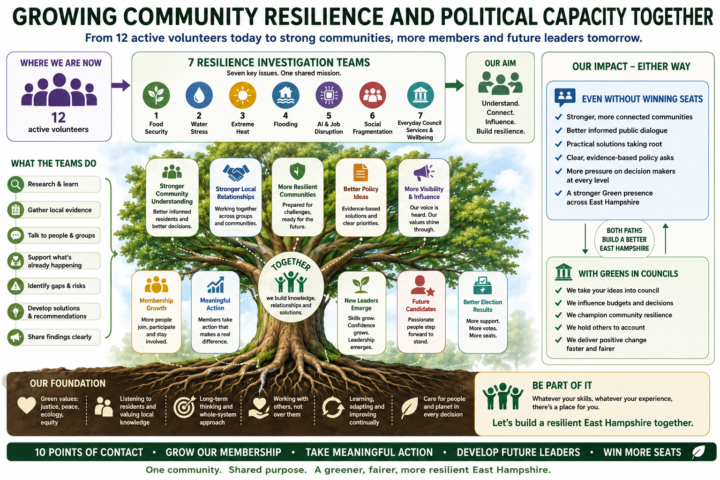
Welcome @Adam Nealis, who is based in Thailand. As Adam joins us I have been preparing focus groups within our local Green Party to work on key areas of the Climate Crisis at a local level. The idea is to translate global and national issues into local narratives. How are these huge events playing out, or going to play out, in our local communities? What actions can we take now as a political party, but also in collaboration with our fellow citizens, to start mitigating the worst effects and preparing for or adapting to effects that we cannot avoid? The energy in our local group is growing. The seemingly thankless task of political campaigning is made bearable by becoming more active and making these connections. The food in our town is 95% imported from elsewhere - we think. Now we start the work of determining the real number. The next step is working with local growers to increase the amount of food we produce for local consumption. To do that, we need to know who is already working on this and what help they need to make it happen. One example might be to get around 100 families to commit to buying produce from a local grower; this guarantees the grower's income and allows them to change how they farm. Making the variety of crops wider. The risk diminishes for the farmer, and clients/supporters know exactly how many "food miles" their food has travelled. Through this work, we learn more about the fragility of our food supplies and make changes to reduce the risk of food shortages. Our party members feel that at last they are doing more than making donations and voting once every few years - they can see the results. Now, when they vote, they have a better idea of who they are voting for. Even if we are not elected to office, we will have changed the outcome for our community.
🔥
1 like • Jun 11
Welcome in!
Mar 14 •
Field Report: Climate Action in the Real World
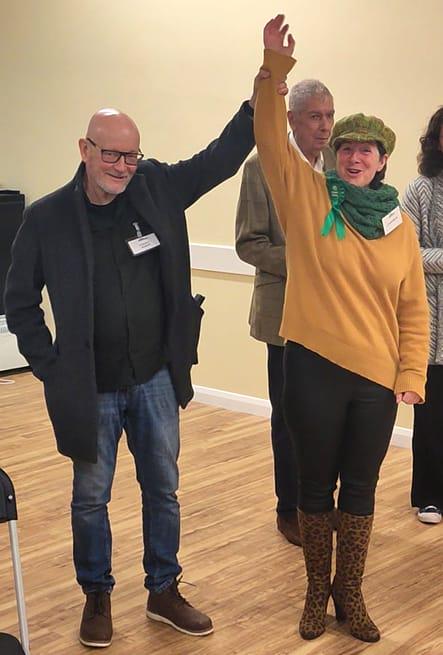
Over the last month some of you may have noticed I was quieter here than usual. There was a reason. About a month ago I was asked to become 𝗖𝗮𝗺𝗽𝗮𝗶𝗴𝗻𝘀 𝗢𝗳𝗳𝗶𝗰𝗲𝗿 𝗳𝗼𝗿 𝗼𝘂𝗿 𝗹𝗼𝗰𝗮𝗹 𝗚𝗿𝗲𝗲𝗻 𝗣𝗮𝗿𝘁𝘆, with just a few weeks to help run a Town Council by-election. Last night the result came in. 𝗪𝗲 𝘄𝗼𝗻. For the first time a Green councillor has been elected to that council. This was absolutely a 𝘁𝗲𝗮𝗺 𝗲𝗳𝗳𝗼𝗿𝘁, and two members of this Has2BGreen community — our 𝗖𝗼𝗺𝗺𝘂𝗻𝗶𝗰𝗮𝘁𝗶𝗼𝗻𝘀 𝗢𝗳𝗳𝗶𝗰𝗲𝗿 𝗮𝗻𝗱 𝗠𝗲𝗺𝗯𝗲𝗿𝘀𝗵𝗶𝗽 𝗢𝗳𝗳𝗶𝗰𝗲𝗿 — played important roles in making the campaign succeed. 𝗪𝗵𝘆 𝘁𝗵𝗶𝘀 𝗺𝗮𝘁𝘁𝗲𝗿𝘀 𝘁𝗼 𝗛𝗮𝘀𝟮𝗕𝗚𝗿𝗲𝗲𝗻 Has2BGreen exists for several reasons. Yes, we study the 𝗰𝗹𝗶𝗺𝗮𝘁𝗲 𝗰𝗿𝗶𝘀𝗶𝘀. Yes, we try to understand the 𝗹𝗮𝗿𝗴𝗲-𝘀𝗰𝗮𝗹𝗲 𝘀𝘆𝘀𝘁𝗲𝗺𝘀 𝘀𝗵𝗮𝗽𝗶𝗻𝗴 𝘁𝗵𝗲 𝗳𝘂𝘁𝘂𝗿𝗲 𝗼𝗳 𝘁𝗵𝗲 𝗽𝗹𝗮𝗻𝗲𝘁. But the deeper purpose is something else: • rebuilding communities. • Locally and internationally. • Because the truth is simple: 𝗪𝗲 𝗮𝗿𝗲 𝗼𝗻𝗲 𝗵𝘂𝗺𝗮𝗻 𝗰𝗼𝗺𝗺𝘂𝗻𝗶𝘁𝘆, 𝗮𝗻𝗱 𝘀𝗼𝗹𝘃𝗶𝗻𝗴 𝘁𝗵𝗲 𝗰𝗹𝗶𝗺𝗮𝘁𝗲 𝗰𝗿𝗶𝘀𝗶𝘀 𝗿𝗲𝗾𝘂𝗶𝗿𝗲𝘀 𝘂𝘀 𝘁𝗼 𝗮𝗰𝘁 𝘁𝗼𝗴𝗲𝘁𝗵𝗲𝗿. Understanding the big global problems matters. But meaningful change only happens when that understanding is 𝘀𝗰𝗮𝗹𝗲𝗱 𝗱𝗼𝘄𝗻 𝗶𝗻𝘁𝗼 𝗿𝗲𝗮𝗹 𝗰𝗼𝗺𝗺𝘂𝗻𝗶𝘁𝘆 𝗮𝗰𝘁𝗶𝗼𝗻. Working with real people.Solving real problems.Building real systems. This campaign became a small example of that process. 𝗪𝗛𝗔𝗧 𝗜 𝗪𝗔𝗦 𝗪𝗢𝗥𝗞𝗜𝗡𝗚 𝗢𝗡 𝗕𝗘𝗛𝗜𝗡𝗗 𝗧𝗛𝗘 𝗦𝗖𝗘𝗡𝗘𝗦 My role focused mainly on systems and coordination. Using my database background, I built a campaign system that combined several data sources: • the electoral register • absent voters lists • the marked register (who had voted) • Green Party membership records • canvassing data from volunteers On election day we added a sixth stream — 𝘁𝗲𝗹𝗹𝗲𝗿 𝗿𝗲𝗽𝗼𝗿𝘁𝘀 𝗳𝗿𝗼𝗺 𝗼𝘂𝘁𝘀𝗶𝗱𝗲 𝗽𝗼𝗹𝗹𝗶𝗻𝗴 𝘀𝘁𝗮𝘁𝗶𝗼𝗻𝘀. This allowed us to see, almost in real time: • who had voted • who had pledged support • who still needed a reminder Because of that system we were able to run a 𝘃𝗲𝗿𝘆 𝘁𝗮𝗿𝗴𝗲𝘁𝗲𝗱 𝗚𝗲𝘁 𝗢𝘂𝘁 𝗧𝗵𝗲 𝗩𝗼𝘁𝗲 𝗼𝗽𝗲𝗿𝗮𝘁𝗶𝗼𝗻 on the final evening. Instead of volunteers wandering large areas knocking randomly, they received 𝘀𝗺𝗮𝗹𝗹 𝗰𝗹𝘂𝘀𝘁𝗲𝗿𝘀 𝗼𝗳 𝗮𝗱𝗱𝗿𝗲𝘀𝘀𝗲𝘀 𝗶𝗻 𝘁𝗶𝗴𝗵𝘁 𝘄𝗮𝗹𝗸𝗶𝗻𝗴 𝗮𝗿𝗲𝗮𝘀, focusing only on supporters who had not yet voted.
🔥
2 likes • Mar 14
This is so cool. Amazing work @Richard Knight congrats!!!
Feb 26 •
New member alert #2
Please welcome Charan @Charankamal Singh Boparai I am inviting members of our local Green Party to take a look at my work here. Charan's reason for joining was that he is keen to increase the global capacity for change. This is the very essence of what I am attempting here. We all have voices that only we can reach. My way of wording or explaining things may not match yours, but if they do, we can share ideas and expand awareness of the issues surrounding the Climate Crisis. If not, there are other school groups that may suit you better or even one of your own. I will support anyone who helps spread the awareness and expand the conversation. (*See below) Welcome Charan! __ * One such "competing" skool group is Weather Watchers Community - David has written many things similar to my content. The wording is different, but the message is similar.
🔥
1 like • Feb 26
Welcome in!
1-10 of 30

🔥
@janay-trevillion-1988
Janay Trevillion | Travel Curator + AI Consultant
The App Baddie. Certified Prompt Design Professional. Instructional Designer. Founder, The Empire.
Active 5h ago
Joined Sep 23, 2025
INFP
Atlanta