
Write something
May 25 •
Next elections - but why and what for?
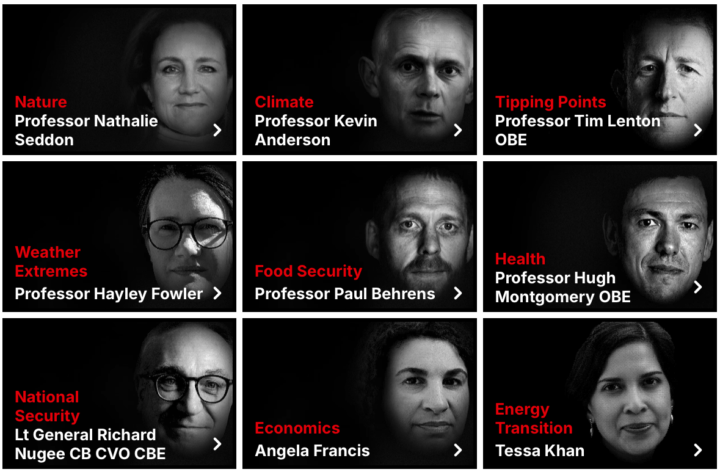
We are rested after our last election round and now we start the work for the next one. I am pushing for our focus to be on how we would, if elected, work to reorganise our local government in preparation for the coming emergencies. The National Emergency Briefing made it clear that local communities need to be strengthened to handle the disruptions that will accompany extreme weather and food shocks. It feels strange to talk about this when the world around us goes on as if everything will remain normal, even as we are experiencing record-breaking temperatures in the UK. One sentence from the briefing says, "We are living in the least extreme climate that we will experience in our lifetimes" - in other words, it only gets worse from here. So if that is the case, the tasks of local government need to have an added layer. How does it provide all the services it is responsible for and prepare for flooding, forest fires, food shortages and potentially civil unrest? The current crop is all vying for positions of power - that is their goal, not addressing the crisis before us. My plan is to identify the needs and start putting forward proposals for what we could be doing now that, if in place, we will be grateful for later. One colleague who deals with the aftermath of hurricanes and severe weather in the Gulf of Mexico is saying that if we want to know what our future looks like, visit Tahiti. Note: the link to the video is just one of 10 in a playlist.
0
0
May 20 •
People's Emergency Briefing
People are organising the showing of this film in community centres all over the UK. In November last year, a group of experts delivered speeches about the state of the world as it relates to climate and especially the effects it will have on the people living in the UK. I have watched the original speeches - they can be found here. What will be different this time is watching it with about 200 other people, some of whom will be hearing the news for the first time. Others may know a lot, but the unvarnished truth will hit hard. I am fascinated to see how people react. The truth is dark - it is hard-hitting - it makes the need for real climate action clear and the urgency real. There is only so long that we can keep ignoring it. If we are willing to hear this and act on it we can still mitigate the worst effects. Another aspect will be the debate after it. Our representative (MP) will be in a debate with two others. He has always paid lip service to the issue. If you can, try to get to see it.
1
0
Apr 25 •
Back pain and campaigning - who knew?
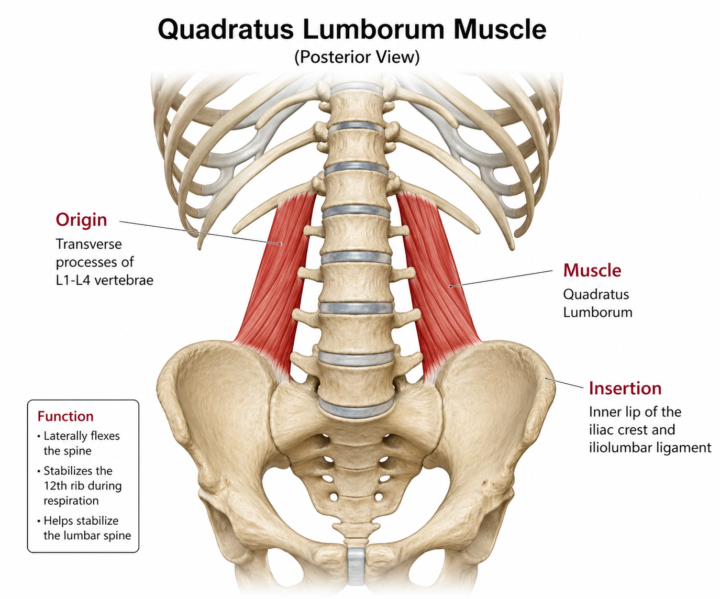
I have been out delivering promotional flyers for the Green Party. We stand a good chance of getting a Green County Councillor elected. But for that to happen, people need to know there is a candidate and understand what he stands for. So - to the streets! 28,000 steps later. Back pain Delivering leaflets through letter boxes in the UK means managing the aggressive letter boxes that seem to have been designed to rip apart any item of post that is inserted through it, including the hand that delivered it. And also torture the deliverer by placing the slot low enough to have to twist and bend double to get to the letterbox. So you come away with cuts on your hands and a sore back. So with the aim of continuing the campaign, here is a handy guide on why back pain is an issue and how you can avoid it. 👉 Leafletters Back

🔥
May 5 •
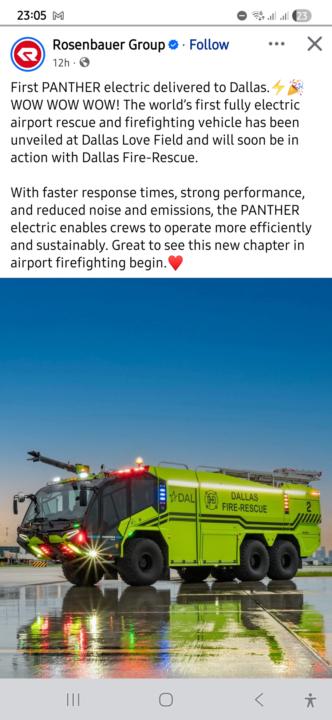
Airport Firefighting in Dallas...
Interesting to see this post today about a new electric airport fire appliance.
0
0
Apr 19 •
Big, small, meaningful, futile.
I am feeling overwhelmed. I wrote about the making of billionaires, and it is still valid for the old school billionaires of just one year ago. But now what is going on in the USA is creating a whole new batch of billionaires that is no longer constrained by any morality, concern for reputation, or sense of honour or duty. But it would be foolish to think that it is restricted to the actions of one person, one leader. But it is a step change in scale and speed. No longer do you have to wait a decade to become a billionaire, or another decade to 10x that. If you are willing to sacrifice people's lives, whole nations and not give a damn about the enviroinment ot legacy... You can become a billionaire within a year. The old billionaire system seemed so hard to change - the systems put in place over the last decades, the ones that allow tax evasion, offshore accounts, public subsidies, exploitation of foreign or domestic workers, were all constrained by the desire to look good and noble - there was at least a nod at public service, public good. Drop that, and can get rich so much quicker. You could get richer by buying shares in planet-destroying industries. But you can join the billionaire class by buying a drone company, then starting a war and then getting a share of a $35 billion contract for new armaments. You just need to ignore the impact on human lives, nature and the environment. And you need complicit political leaders who are willing to disregard the duties and laws that they swore an oath to uphold. That is the big - the world stage, the leaders of the world's richest and most powerful countries. Now to the small. We have managed to get a candidate elected to local office. Her first days in office have been beset by political shenanigans, as those in power felt threatened by her energy and demands, which made them look ineffective or incompetent. We have moved to elections for seats on a council two levels up, past the district level to the county level.
1-25 of 25
powered by
skool.com/has2bgreen-3767
Learn, act, and lead on climate change: from basics to advocacy to real-world action. A global hub for solutions, stories, and change-makers.
Suggested communities
Powered by