Activity
Mon
Wed
Fri
Sun
Sep
Oct
Nov
Dec
Jan
Feb
Mar
Apr
May
Jun
Jul
Aug
What is this?
Less
More
Owned by Gemma
Learn Microsoft Excel, Word, PowerPoint and AI in a friendly, confidence-building community with live training and practical resources.
Memberships
Coffee Fitness Life
15 members • $37/month
Skoolers
161.3k members • Free
Social Selling on LinkedIn
1k members • $14/month
The Self Belief Hub
21 members • $9/month
UK Skoolers
424 members • Free
KDP Publishing
1.6k members • Free
the skool CLASSIFIEDS
2k members • Free
The Confident Rider
190 members • $9/month
BookVillage - Amazon Reviews
397 members • Free
1 contribution to Oasis Builders

Mar 15 •
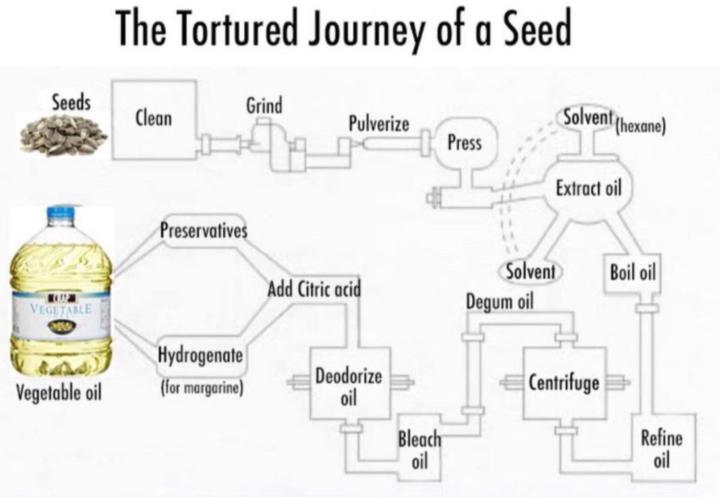
Why seed oils are not good for you
Seed (vegetable) oils are almost entirely fat and provide concentrated calories, with very little protein, carbohydrate, or micronutrients per tablespoon. What “seed vegetable oil” means Most cooking “vegetable oils” sold in bottles are blends or single oils made from seeds such as soybean, corn, canola (rapeseed), sunflower, safflower, grapeseed, cottonseed, or sesame. Their detailed composition varies by plant, but they share some broad features. Typical nutrition per tablespoon For a generic vegetable/seed oil (about 14 g fat per 1 tablespoon / 15 mL): - Energy: ~120 calories per tablespoon - Total fat: ~14 g - Protein: 0 g - Carbohydrate: 0 g (0 g fiber, 0 g sugars) - Cholesterol: 0 mg - Sodium: 0 mg All of the calories come from fat. Fatty acid profile (general pattern) Seed oils are predominantly unsaturated fats, with relatively low saturated fat compared to animal fats like butter.

2 likes • Mar 22
A really interesting read, thanks
1-1 of 1

@gemma-coles-6482
Corporate escapee.
Microsoft & AI geek.
Teaching smart skills for real life.
Active 2h ago
Joined Mar 21, 2026