Activity
Mon
Wed
Fri
Sun
Oct
Nov
Dec
Jan
Feb
Mar
Apr
May
Jun
Jul
Aug
Sep
What is this?
Less
More
Tri-Loco Triathlon Community
98
$10/m
23 contributions to Tri-Loco Triathlon Community
May 15 •
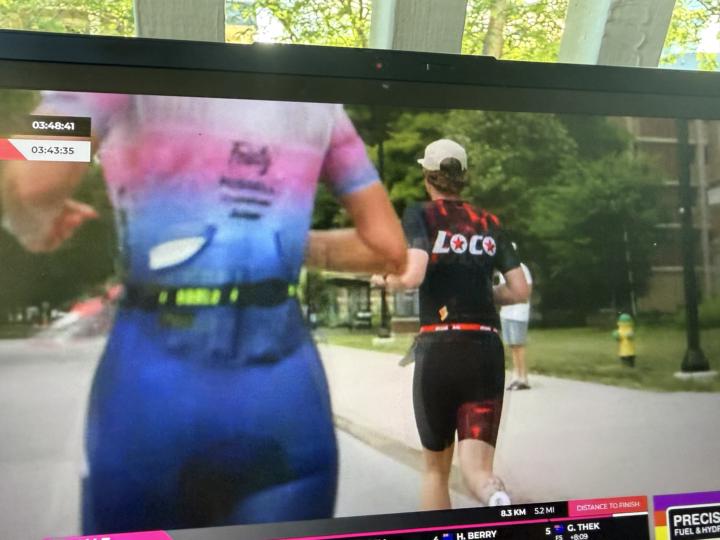
Fishers Sprint: who will be there?
I never registered and am thinking of using the atmosphere for the backdrop of my long run instead while cheering along the way but who will even be there? 🤔
Feb 14 •
2026 Kit Order
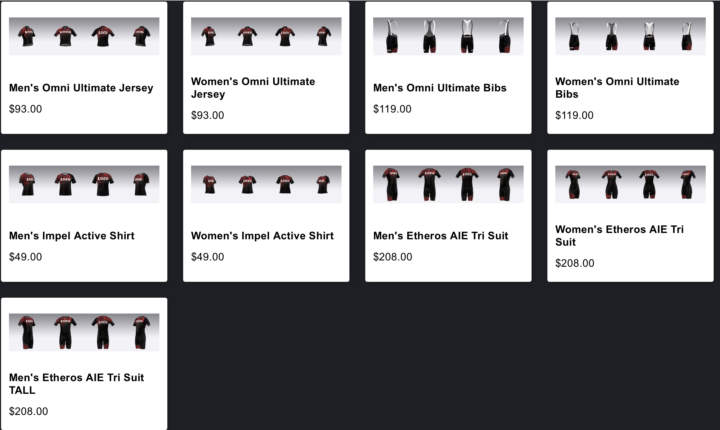
Team, Last night was a blast! HUGE THANK YOU to the Gardners for hosting and to everyone who showed up! Don't forget to get your kit orders in before February 23rd! Discount code has been extended through the end of this weekend, midnight on Sunday February 15th. Use cod LOCO26 at check out! We do need to hit a minimum of 5 orders for each piece - so please help us get there! Please pay close attention to the title of the item. Men's tri kit TALL is available. These kits are 4cm longer in the torso than traditional. Most insight has been that these kits run slightly big. In years past I have worn a 2XL, in this gear I wear XL. I found that the bike bibs are more true to size. I ordered XL in bib and L in jersey. https://via.primalcustom.com/collections/ts-14756
2 likes • Feb 14
Agreed on sizing feedback with the exception of the Active Shirt. That ran small and I’m sizing up… could just be me 🤷♀️
Jan 31 •
Strength Training Tomorrow at 10!
Stoked to build strength and endurance with you guys tomorrow at 10am - Indy Performance Authority! 537 E Ohio St, Indianapolis, IN 46204 Coffee after at Parlor Public House!
1 like • Feb 1
You probably won’t see this ahead of time to count as an RSVP but I’m on my way!
Jan 24 •
Drew's Results: 28-Day Breathwork Challenge
@Drew Blair's results are in, and the data tells a strong story. Drew completed a VO₂ max test on November 28th and retested on January 22nd, about 20 days after the 28-Day Breathwork Challenge concluded. An important note for context: she recovered from the flu between the end of the challenge (Dec 28) and the post-test. Her VO₂ max stayed essentially the same (46.2 → 45.9), which is well within normal test-day variability for a well-trained athlete and still places her in the “Superior” fitness category. Here’s the meaningful result: her anaerobic threshold moved closer to her VO₂ max. This means she can sustain a higher intensity before tipping into fatigue. In practical terms, she can go harder for longer without blowing up. Even more impressive given the illness gap, her breathing efficiency held strong all the way into peak effort, and recovery remained solid. These are exactly the adaptations we aim for with breathwork: improved control, higher CO₂ tolerance, and better efficiency near the redline. Changes like this typically take months to train indirectly. We saw them in weeks. It’s also worth noting that after her initial test, Drew adjusted her heart rate zones and focused primarily on Zone 1–2 aerobic base training throughout the challenge. Breathwork didn’t replace training — it enhanced how effectively she could use it. Breathwork isn’t about magically building a bigger engine overnight. It’s about using the engine you already have more efficiently and with more control. This is a great, data-backed example of that.
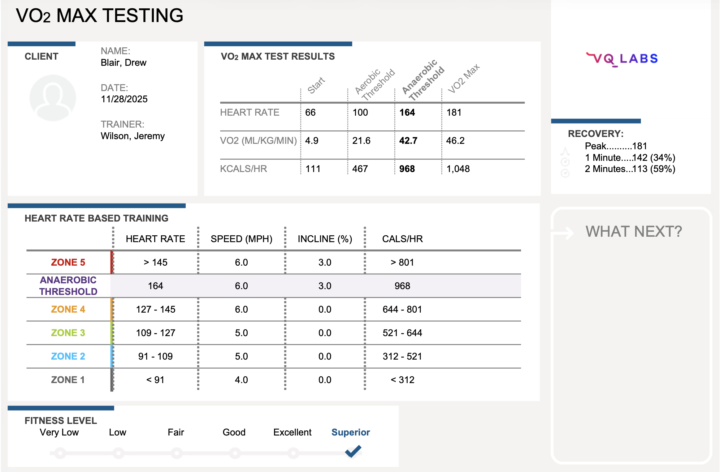
3 likes • Jan 26
This was an eye opening experience… could have done without the flu (still dealing with some respiratory fallout 3 wks later) but the daily intention to breathe and increase endurance in a different way was impactful. My sleep! You guys. My sleep. I saw 90s 3x in one week for a sleep score and that is mind blowing to me. I’m now working on becoming a Zone 1 fat burning machine 😁 and I’ll be ready to light up courses this summer. When I ramp up intervals in the mix, no doubt breathwork will come in huge. Thank you, @Josh De Jong for the guidance and inviting this VO2 Max comparison alongside!!
0 likes • Jan 26
@Josh De Jong ❤️❤️❤️
1-10 of 23
Active 40d ago
Joined Sep 11, 2025
Powered by