Activity
Mon
Wed
Fri
Sun
Sep
Oct
Nov
Dec
Jan
Feb
Mar
Apr
May
Jun
Jul
Aug
What is this?
Less
More
Memberships
Drikus’ Community
25 members • Free
8 contributions to Drikus’ Community

Apr 17 •
A government-funded sports nutritionist told me McDonald's was fine
I was an elite rower training for New Zealand's national eight. Every Saturday we'd finish five hours of training before 1pm. Then all twelve of us would pile into McDonald's and compete to see who could eat the most burgers. I'm not joking. This was the official advice. And I followed it. Because why wouldn't you trust the experts? But something never sat right. I was doing everything I was told. My energy still wasn't where it should be. I was getting sick more than made sense. Carrying inflammation I couldn't explain. I was doing everything right. Why did my body feel like this? So I went looking for my own answers. Years of research. Questioning everything. Then it clicked. The seed oils in all that food were signaling my body to store fat and conserve energy. Just like a bear preparing for winter. My body wasn't broken. It was running the wrong program. Once I removed those foods, everything changed. → Less than 1 hour of training a day to maintain it all → 102kg at 12% body fat → Broke the Liver King's Barbarian world record → First person in the Southern Hemisphere to complete the Super Barbarian Here's why this matters for you. You're not a rower. But you're eating the same way I was. The working lunch that's just a sandwich. The takeout because the day ran too long. The client dinner where everything is cooked in the wrong oils. All of it is running the same program in your body that McDonald's ran in mine. Store fat. Stay foggy. Run slow. I know what you're thinking. It can't be that simple. But when I was rowing I was training 22 hours a week and still felt broken. Now I train less than an hour a day and I'm in the best shape of my life. The training wasn't the problem. The food was. You can't out-train the wrong fuel. You can only remove it. Comment RESET and I'll show you exactly what I changed.


1 like • Apr 22
Just proves the old saying, you are what you eat. Nutrition "experts" are often the worse sources of advice when it comes to healthy eating...
Mar 16 •
Curious where people struggle most right now
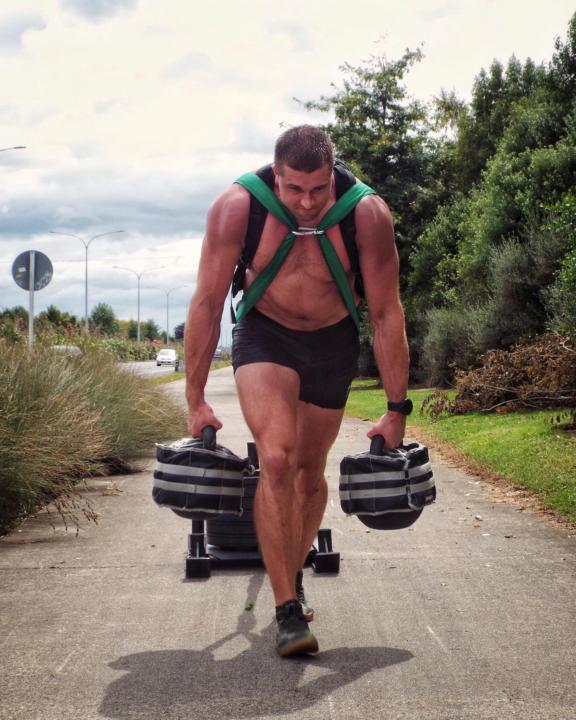
For over a decade I’ve been obsessed with understanding how the human body actually works. That obsession led me to: - NZ professional rower - Barbarian endurance world record - 102kg at ~12% body fat training <1 hr/day If I were to coach you on one thing related to health, energy, or performance… What would you want help with? Be honest.
1 like • Apr 15
I used to do 2 sets of 25 reps, or 4 sets of 15 (120kg) with about a minute break between sets. I did not push the weight all the way through 90° - only about 45° (i.e. I don't fully bend my knees to 90°, and don't fully straighten my legs - just enough to feel the "burn" of the glutes working). "Supersetting" is usually not an option because the gym is usually quite busy and when you leave a machine to go and do something else, there's is no guarantee that you can come back later again to finish what you started, but I will keep it in mind. Thanks for the advice...
1 like • Apr 16
Thanks Drikus. I'll give it a try and let you know how it goes...👍
Apr 15 •
🕊️ | How are you currently trying to improve your health and energy?
[attachment]
Poll
1 member has voted

1 like • Apr 15
I am actually doing doing several of these things rather than only one - "clean" eating, intermittent fasting and optimizing biology.
1 like • Apr 16
Thanks Drikus. Doing my best, but there's always room for improvement. That's where you come in...🤩
Apr 9 •
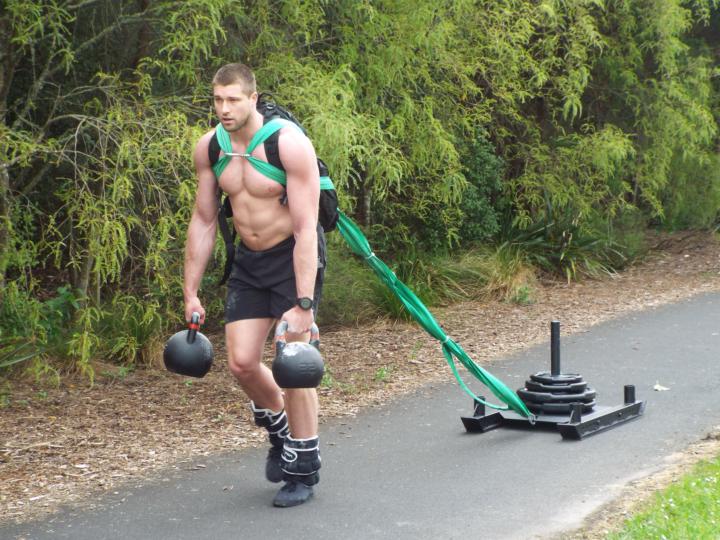
I built a 7-figure brand & broke a world record for strength-endurance
I’m thinking about helping 5 busy high performers lose 10kg and get consistent high energy in 8 weeks — without counting calories. Comment "ENERGY" if interested (or if you know anyone that may be)
1 like • Apr 13
Is that losing 10kg in 8 weeks or just gaining more energy over that period of time? Losing 10kg in 8 weeks sounds a bit much, but I guess it depends on how much excess weight you have at the beginning. I have managed to lose about 1kg/week and that included some fasting.
Apr 8 •
Let’s celebrate!
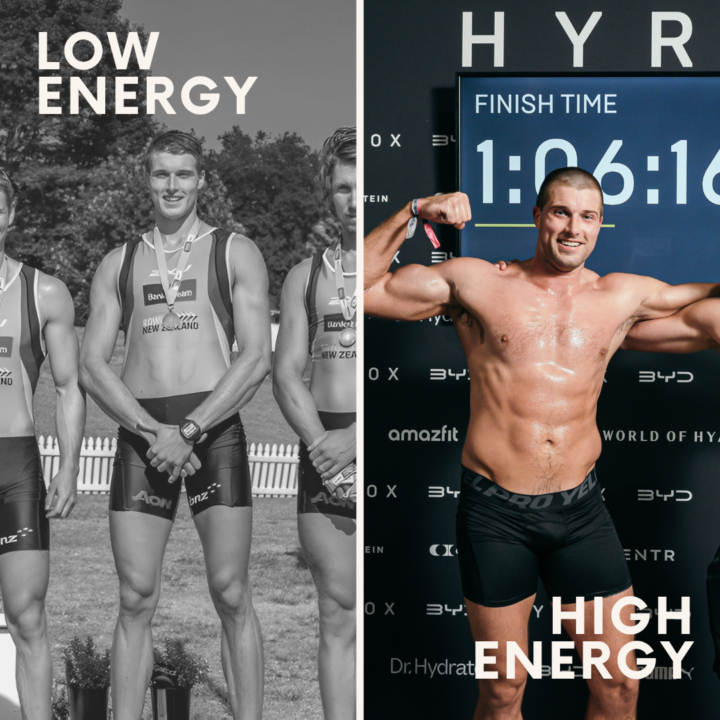
I used to be an athlete doing everything “right,” but still low energy and not performing at my best. It sucked because my energy was low, my recovery was slow, and my body never matched the effort I put in. But then I realized the problem wasn’t how much I was eating... it was what I was eating, and I changed it. Which led to consistent energy, staying lean year-round, and full control of my health. I couldn’t be more grateful!
2 likes • Apr 9
Ever since you started getting serious about sport performance, you've always been pushing the boundaries of your abilities. You were always reading, or watching podcasts, etc. about what you can do to improve your performance - and much of this while navigating through the minefield of adolescence. As your parents, we were inspired by your quest, and we greatly benefitted from it as well. I have lost about 10kgs and managed to keep it off, but mostly, now in my 60s, I have fewer aches and pains and more energy than in my 40s and 50s. It is so true what they say - you really are what you eat!
1-8 of 8

@darvey-conradie-2801
The Body heals with good nourishment and play,
the Mind heals with frequent laughter,
and the Spirit heals with joy...
Active 108d ago
Joined Jan 28, 2026
Hamilton, New Zealand