Activity
Mon
Wed
Fri
Sun
Aug
Sep
Oct
Nov
Dec
Jan
Feb
Mar
Apr
May
Jun
Jul
What is this?
Less
More
Memberships
Fit 'n Healthy Forever
688 members • Free
81 contributions to Fit 'n Healthy Forever

Jun '25 •
HORMONAL IMBALANCE SYMPTOM SELF - TEST
HORMONAL IMBALANCE SYMPTOM CHECKLIST For Women 40+ Who Want to Lose Weight, Sleep Better & Feel Like Themselves Again - Quick self-assessment to identify potential hormone imbalances - Understand how your symptoms may be linked to hidden hormone issues - Learn why traditional dieting isn’t working for your body anymore SYMPTOM CHECKLIST 1. Low Progesterone - ☐ Trouble falling or staying asleep - ☐ Increased anxiety or irritability - ☐ Shorter cycles or spotting before your period - ☐ Heavier or more painful periods - ☐ Bloating or water retention 2. Estrogen Dominance - ☐ Weight gain around hips, thighs, or belly - ☐ Mood swings or PMS - ☐ Fibroids, cysts, or endometriosis - ☐ Breast tenderness or swelling - ☐ Headaches or migraines around your period 3. Cortisol Dysregulation (Stress Hormone) - ☐ Fat around your midsection that won’t budge - ☐ Wired but tired feeling at night - ☐ Frequent waking between 2–4 AM - ☐ Cravings for salt or sugar - ☐ Feeling overwhelmed or burnt out 4. Thyroid Imbalance - ☐ Fatigue no matter how much you sleep - ☐ Cold hands and feet - ☐ Hair thinning or hair loss - ☐ Constipation or slow digestion - ☐ Brain fog or difficulty concentrating 5. Insulin Resistance - ☐ Cravings for sugar and carbs - ☐ Energy crashes after meals - ☐ Belly fat despite diet & exercise - ☐ Skin tags or dark patches of skin - ☐ Feeling hungry again soon after eating Ready for Real Results? If you checked 3 or more symptoms in any category, your hormones could be blocking your fat loss, energy, and mood. HOW'D YOU DO?🤩

1 like • 8d
I have 3 in at least 2 areas! 🥺
Nov '25 •
Inflammation Is NOT the Enemy - This Is! Part 3
Here's the Big Picture Disease Progression Timeline Almost all inflammation-driven diseases follow this predictable pattern. Phase 1 - The Trigger - poor diet - chronic stress - lack of sleep - gut imbalances - toxins - smoking - sedentary lifestyle Phase 2- Immune Activation The Body sees these triggers as “threats” which leads to immune cells release inflammatory cytokines. Phase 3 - Constant Signaling Inflammation never shuts off which leads to tissues stop repairing which leads to oxidative stress building which leads to mitochondria weakening. Phase 4- Tissue Damage Organ-specific damage begins (arteries, liver, brain, gut, pancreas). Phase 5 - Dysfunction Cells can’t do their job which leads to energy dropping which leads to hormones weakening which leads to blood sugar rising then, early symptoms begin. Phase 6 - Disease Once the damage becomes measurable, now we call it - - diabetes - heart disease - dementia - fatty liver - autoimmunity - cancer But the disease started many years earlier - with inflammation. Let's get into the Diseases and their mechanisms. Pick one that you're familiar with or know of someone that has it.

1 like • 9d
I just wish we understood this or had been taught these outcomes!
Nov '25 •
Inflammation Is NOT the Enemy - This Is! Part 2
The first two killers in the U.S. are heart disease and cancer. The third according to official CDC 2023 data is unintentional injuries. Some sources including prestige, highly respected Medical Journals like the BMJ suggest that Medical Error is the 3rd leading cause of Death. That alone is a great reason to stay Healthy, isn't it? Although inflammation is not the enemy, let's discuss it first so we understand the progression. How Inflammation Becomes Disease - The Actual Pathways Chronic inflammation doesn’t happen overnight. It begins as a protective response, the immune system trying to fix a problem (stress, toxins, poor diet, infections, poor sleep, injuries). But when the signals never turn off, that “healing response” becomes destructive. What Causes Chronic Inflammation? These are the biggest triggers we see in people 40+. - High stress (emotional overload, caregiving, career stress) - Poor sleep or low melatonin - Belly fat / visceral fat - Blood sugar swings - Processed foods and seed oils - Gut dysbiosis - Alcohol over time - Toxins in the home - Nutrient deficiencies - Hormone shifts from perimenopause/menopause Once ANY of these triggers are constant, inflammation becomes constant.This is where disease begins. These are ALL forms of Stress. When the Tigers of Stress are chasing us, the body is in Fight or Flight mode, not Repair and Replace mode. Would you like to know How Inflammation Turns Into the Top 15 Major Killer Diseases? You may have only one Condition or be well on your way to one or more.

1 like • 28d
The job I retired from 7 years ago was traumatic, unsafe and always always stressful. Could that stress of 32+ years still be playing a hand?
1 like • 9d
Just striving to ba a little better each day. 😊
Jan 12 •
The Truth About Alzheimer’s (and How to Protect Your Brain) Part 1
Alzheimer’s Is Not an Old-Age Disease (It Starts in Your 20s) Most people think Alzheimer’s is a disease of old age.That’s not true. The symptoms show up late.The disease process starts decades earlier. - The biochemical changes begin as early as your 20s - Symptoms appear much later (60s-80s) - By the time memory loss is obvious, the brain has already been shrinking for years Which means that Alzheimer’s is not a sudden disease It’s a slow metabolic and inflammatory process The 4 common phases of cognitive decline 1. Pre-symptomatic - changes show up in blood and brain scans, but you feel fine 2. SCI (Subjective Cognitive Impairment) - you feel “off,” but tests look normal 3. MCI (Mild Cognitive Impairment) - testing shows decline, but you’re still functional 4. Dementia - daily life is impaired Most people wait until phase 3 or 4 to act. That’s like waiting for a heart attack before caring about arterial Health. FitnHealthy Tip - Alzheimer’s is not inevitable. It is influenced by - - lifestyle, - metabolism, - inflammation, - toxins, - hormones, - and blood flow - for decades before diagnosis. Prevention doesn’t start at 70, it starts at 30, 40, 50. Are your mental faculties getting sharper or more dull? Is this a big concern for You?

1 like • 9d
Not a concern for me, but my husband is concerned I catch him listening to those commercials and ads promising big results.

Dec '24 •
Step Into 2025: Your Health Reset Starts Now
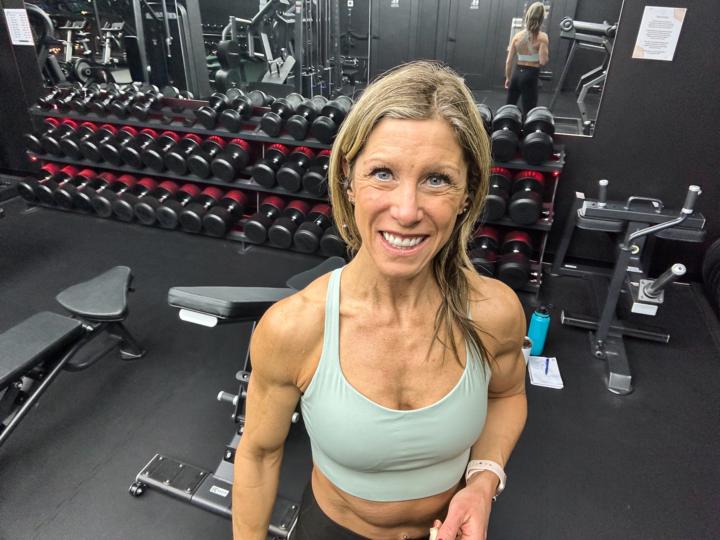
As the year comes to an end, take this moment to reflect on your health journey and set the tone for the year ahead. Here’s some of my most impactful lessons of this past year that really amplified my health and fitness. Lets make 2025 your healthiest year yet: 1. Prioritize Consistency Over Perfection Don’t chase quick fixes or unsustainable goals. Small, consistent actions—like daily movement, balanced meals, and quality sleep—add up to big changes over time. 2. Fuel Your Body with Purpose Eat for nourishment and energy. Focus on whole, minimally processed foods, and balance your intake of protein, healthy fats, and carbs. Treat yourself occasionally, but make mindful choices most of the time. 3. Move Every Day Whether it’s lifting weights, walking, yoga, or dancing, find activities you enjoy and make movement a non-negotiable part of your life. Consistent exercise isn’t just for your body; it’s a boost for your mental health, too. 4. Sleep Is Your Superpower Don’t underestimate the power of rest. Aim for 7-9 hours of quality sleep each night to support recovery, brain health, and overall well-being. 5. Manage Stress Wisely 2025 will have its challenges—be ready with tools to handle them. Meditate, journal, spend time in nature, or talk to someone you trust. Prioritize your mental health as much as your physical health. 6. Set Realistic Goals and Track Progress Instead of vague resolutions, set specific, measurable health goals. Whether it’s drinking more water, training 4x/week, or eating more veggies, tracking progress keeps you accountable and motivated. #SWERPSS 7. Focus on Longevity, Not Just Aesthetics Your health is about more than how you look. Think long-term—build habits that will help you live a vibrant, active life for decades to come. 8. Be Kind to Yourself Self-compassion is key. You’ll have ups and downs, and that’s okay. What matters is getting back on track and not giving up on yourself. As we welcome 2025, remember: Your health is your most valuable asset. Take care of it, and it will take care of you.
0 likes • 9d
I especially like tip #7 & 8! 😊
1-10 of 81
@connie-divine-2468
Retired school administrator lifting weights, chasing protein, and staying consistent 😄 Progress over perfection!
Active 8d ago
Joined May 5, 2026
Centralia, MO
Powered by