Activity
Mon
Wed
Fri
Sun
Aug
Sep
Oct
Nov
Dec
Jan
Feb
Mar
Apr
May
Jun
Jul
What is this?
Less
More
Memberships
FasterFreedom RE Launch
11.3k members • Free
Conscious Community
3.7k members • Free
The Virtual Bookkeeping Series
84.9k members • Free
pHERmission public
4k members • Free
Free Skool Course
71.6k members • $1
Identity Shift™ Challenge
880 members • Free
Elastic Perception Free
6.4k members • Free
Beyond Tomorrow
81 members • Free
Mylera Wellness
2k members • Free
11 contributions to Mylera Wellness

Apr 5 •
The Sulforaphane Superstar: Broccoli — The “Detox Dynamo”
The “Medicine” inside: - Cancer Defense: Sulforaphane activates detox enzymes that neutralize carcinogens. - Bone Strength: Rich in calcium and Vitamin K. - Immune Support: Vitamin C enhances white blood cell activity. - Gut Health: Fiber feeds beneficial bacteria. Pro‑Tip: Light steaming preserves sulforaphane better than boiling. Add lemon juice to boost absorption. Do you prefer broccoli florets or the tender stalks? 🌱


1 like • Apr 5
Definitely the florets!! 🥰💖 thank you for the info! 😊 love your content!
0 likes • Apr 6
@Carlton Gonsalves lol that’s awesome!
Mar 13 •
A Week of Additive‑Light Meal Ideas (Built From Your Clean Shopping List)
Now that your kitchen is stocked with cleaner staples, here’s how to turn them into simple, satisfying meals all week long. No complicated recipes. No specialty ingredients. Just real food, minimal additives, and maximum ease. Use these as inspiration — mix, match, repeat, and adjust to your taste. Day 1 Breakfast: Plain yogurt + berries + nuts Lunch: Chicken, rice, and broccoli bowl with olive oil + lemon Dinner: Baked salmon + roasted potatoes + green beans Day 2 Breakfast: Oatmeal with cinnamon + banana Lunch: Lentil soup (lentils, veggies, broth) Dinner: Sautéed shrimp + quinoa + sautéed spinach Day 3 Breakfast: Eggs + avocado + fruit Lunch: Sourdough sandwich with turkey (no nitrates) + veggies Dinner: Stir‑fry with chicken + frozen veggies + simple sauce (tamari + garlic + honey) Day 4 Breakfast: Smoothie (fruit + plain yogurt + nut butter) Lunch: Rice bowl with beans, salsa, and roasted veggies Dinner: Baked chicken thighs + sweet potatoes + salad Day 5 Breakfast: Cottage cheese + pineapple + seeds Lunch: Tuna salad (tuna + olive oil + mustard) + crackers Dinner: Pasta with tomato sauce (simple ingredients) + side salad Day 6 Breakfast: Toast with nut butter + fruit Lunch: Leftover pasta or grain bowl Dinner: Homemade tacos (ground beef or turkey + simple tortillas + veggies) Day 7 Breakfast: Yogurt parfait with granola (simple ingredients) Lunch: Veggie omelet + potatoes Dinner: Sheet‑pan meal: chicken + carrots + onions + olive oil Snacks (Additive‑Light Options) - Popcorn - Dark chocolate - Fruit - Nuts or trail mix - Seed crackers - Veggies + hummus These keep you satisfied without the additives hiding in most packaged snacks. Why This Works These meals are: - Built from whole, recognizable ingredients - Naturally low in additives and preservatives - Easy to prep and repeat - Flexible for families, budgets, and busy schedules When your meals look like this most of the time, you dramatically reduce your exposure to the additives you’ve been learning about — without feeling restricted.

2 likes • Mar 13
Love this thank you!! 🙏
Mar 3 •
Where Additives and Preservatives Hide Most Often
Reading labels is the first step. The second is knowing which categories of foods are most likely to be loaded with additives and preservatives. That way, you can scan smarter and spend less time worrying. The Big Categories to Watch - Sugary Drinks & Flavored Beverages Sodas, sports drinks, flavored waters, and energy drinks often contain dyes, sweeteners, and preservatives to keep them shelf‑stable. - Snack Foods & Packaged Treats Chips, cookies, crackers, and candy rely on emulsifiers, stabilizers, and flavor enhancers to stay crunchy, creamy, or colorful. - Processed Meats Hot dogs, deli meats, bacon, and sausages frequently use nitrates, nitrites, and other preservatives to prevent spoilage and keep that pink color. - Breakfast Cereals & Bars Many are fortified with additives, colors, and flavorings to make them taste appealing and last longer on the shelf. - Frozen & Ready‑to‑Eat Meals Microwave dinners, frozen pizzas, and instant noodles often combine multiple preservatives, stabilizers, and flavor boosters. - Condiments & Sauces Ketchup, salad dressings, mayonnaise, and packaged sauces use stabilizers and preservatives to keep texture smooth and prevent separation. - “Diet” or “Sugar‑Free” Products These often swap sugar for artificial sweeteners and add gums or stabilizers to mimic texture. Why This Matters Knowing the categories helps you focus your attention. Instead of scanning every single product in the store, you can zero in on the ones most likely to contain additives — and make smarter swaps where it counts. Next in the Series We’ll break down the highest‑concern additives themselves: what they are, why they’re used, and how to avoid them without stress.

2 likes • Mar 3
Thank you!! 🙏
Mar 2 •
Additives & Preservatives: What You Should Know About How Common They Really Are
Most packaged foods today contain additives or preservatives. They show up in everything from breads and yogurts to snacks, sauces, drinks, and frozen meals. Colors, flavors, stabilizers, emulsifiers, sweeteners, and shelf‑life extenders have become standard tools in modern food manufacturing. Understanding what we’re eating helps us make choices that support long‑term health. Why They’re Used So Often Additives and preservatives are everywhere because they help manufacturers: - Extend shelf life — slowing spoilage and keeping products stable during long storage and transport. - Improve appearance and texture — making foods look brighter, stay creamy, or hold their shape. - Standardize flavor — ensuring every batch tastes the same. - Reduce costs — allowing large‑scale production with consistent results. These functions make processed foods convenient and affordable, but they also mean we’re consuming these ingredients far more often than previous generations. What We Know About Potential Consequences Research is ongoing, but several patterns are becoming clearer: - Some additives raise more concern than others. Certain dyes, preservatives, emulsifiers, and sweeteners are being studied for possible effects on gut health, inflammation, and metabolic function. - We rarely consume them one at a time. Many packaged foods contain multiple additives, and the long‑term impact of these combinations is still being explored. - Many approvals are outdated. Some additives were evaluated decades ago, before today’s levels of use and frequency of exposure. - Additives often signal ultra‑processing. Diets high in ultra‑processed foods are consistently linked with poorer health outcomes, even when calories are similar. While it's not practical to eliminate all additives from your diet, it’s important to understand what’s in our food and make upgrades where it matters most.

2 likes • Mar 2
What would you recommend on getting to avoid most of these additives?
1 like • Mar 2
@MyLera Wellness thank you!! 🙏 🥰💖
Dec '25 •
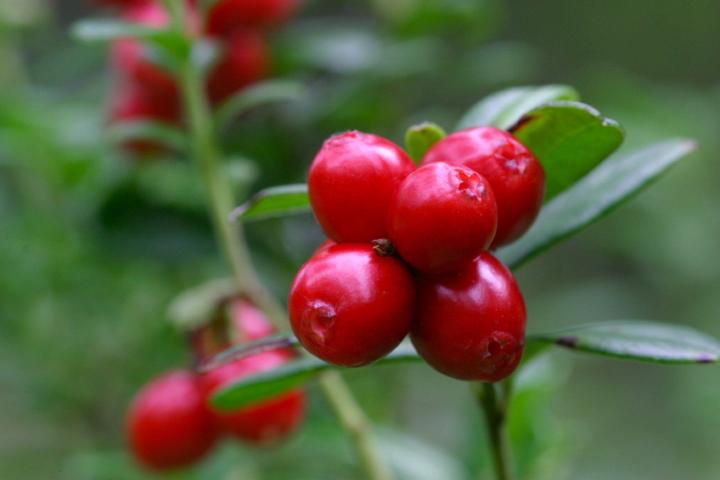
🍒 Lingonberries: The Nordic Berries That Defend and Delight
Superfood Spotlight: Lingonberries Native to Scandinavia and the Arctic tundra, lingonberries have been a staple in Nordic diets for centuries. Traditionally served alongside savory dishes like meatballs or game, these tart red berries are more than just a condiment—they’re loaded with antioxidants and compounds that support urinary tract health, immunity, and longevity. Why They’re Super: - 🧬 Antioxidant-rich — Packed with polyphenols and flavonoids that protect cells from oxidative stress - 🩺 Urinary tract support — Similar to cranberries, they help prevent infections and support bladder health - ❤️ Heart & metabolic ally — May improve cholesterol balance and regulate blood sugar - 🌿 Anti-inflammatory — Reduces systemic inflammation and supports joint comfort - ✨ Skin & gut glow — High in fiber and vitamin C for digestion and radiant skin 🥤 Lingonberry + Apple Immunity Jam A tangy, immune-boosting spread that’s perfect on toast, yogurt, or oatmeal. Ingredients: - 1 cup fresh or frozen lingonberries - 1 apple, diced - 2 tbsp honey or maple syrup - ½ tsp cinnamon - Splash of lemon juice Instructions: 1. Simmer lingonberries and apple with a splash of water until softened. 2. Mash lightly and stir in honey, cinnamon, and lemon. 3. Cool and store in a jar. Flavor Notes: Tart, tangy, and lightly sweet—like cranberry meets apple with a Nordic twist. Have you tried lingonberries—in jams, sauces, or smoothies?🍒💬
2 likes • Dec '25
I haven’t tried these but I would love to!! 🥰
1-10 of 11

@brianna-young-6443
Hello. My name is Brianna. I’m 35 years old and I am excited grow and become healthier and more in tuned with myself!
Active 2h ago
Joined Nov 1, 2025
Powered by