Activity
Mon
Wed
Fri
Sun
Aug
Sep
Oct
Nov
Dec
Jan
Feb
Mar
Apr
May
Jun
Jul
What is this?
Less
More
Owned by Andy
Athletes in Recovery: a space to move, grow, and rebuild together. Daily habits, discipline, and community support for real change.
Memberships
Clientflow Community
53 members • Free
The Aspinall Way
32.2k members • Free
Skoolers
166.1k members • Free
25 contributions to Athletes In Recovery (AIR)

Feb 6 •
Discipline Pays Dividends
This didn’t come from motivation. It came from showing up on days I didn’t feel like it. Daily reps. Boring discipline. Choosing movement before mood long before there was a race on the calendar. HYROX wasn’t the goal — it was the byproduct. If you’re in AIR and wondering if the small things matter: they do. This is what they compound into. Training for life.
0
0

Jan 24 •
START HERE: How to Use This Community
Welcome to AIR — Athletes In Recovery. We’re all recovering from something — stress, burnout, addiction, inconsistency, drift… or just losing ourselves a little over time. This community exists to help you Train for Life through simple, repeatable reps that build discipline, stability, and momentum. You don’t need to catch up or prove anything. You’re here to practice showing up — one rep at a time. 1) What to do first (today) Introduce yourself. Make a post with: - What brought you here? - What are you trying to change? - What’s one thing you’re working on right now? Choose your starting lane: - Start with The Rise Protocol if you want structure fast - Start with Movement Before Mood if you need momentum right now If you’re unsure, start with The Rise Protocol. 2) How this community works This isn’t motivation. This is training. You’ll see three main parts: Courses (Classroom) That’s the training path. Keep it simple: do the next lesson, do the rep. Posts (Community) This is where accountability lives. Post even when you feel “off.” Especially then. Resources Templates, prompts, checklists, and resets you can reuse in real life. 3) The rhythm that works If you do nothing else, do this: Daily (5 minutes): - Read today’s lesson or prompt - Do the rep - Post a quick check-in (1–3 sentences) Weekly (10 minutes): - Share one win + one adjustment - Ask one question you’ve been avoiding Consistency beats intensity here. 4) Rules (simple and serious) Be real. Be respectful. Be useful. - No bullying, mocking, or ego games - No spam or self-promotion - Privacy matters — don’t share someone else’s story outside this group - If you need urgent crisis help, this community is not a replacement for professional support 5) The fastest way to get results Don’t lurk for two weeks waiting to “feel ready.” Post like this: “Today I’m at a ___/10. I’m going to do ___. One win is ___. One adjustment is ___.”
0
0
Jan 22 •
Goals Matter… action is essential!
Goals and aspirations matter. Discipline is what makes them real. Most people aren’t lacking motivation. They’re lacking trained capacity.
0
0
Jan 22 •
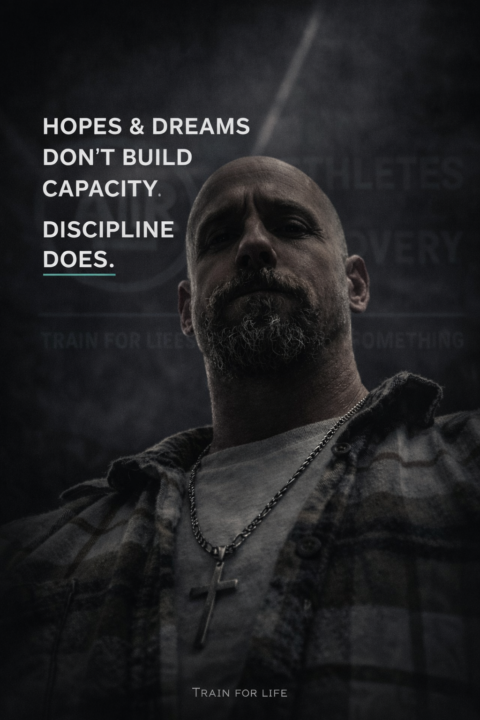
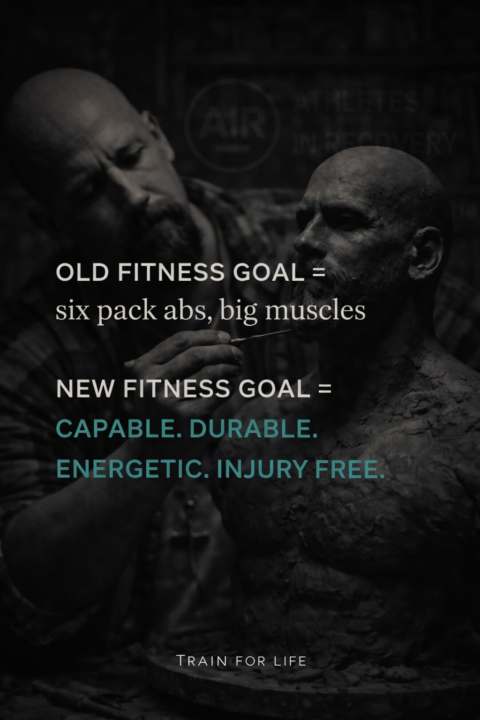
Discipline builds capacity
The goal isn’t to look fit for a season. It’s to be capable for a lifetime. Strength that lasts. Movement that doesn’t break you.
0
0
Jan 19 •
Release Party!!🎉
Most of life doesn’t happen in big moments. It happens in the moments between them. Lead Your State: Build a Life You Don’t Want To Escape is a practical, step-by-step guide for learning how to notice your internal state in real time—and use simple, repeatable actions to shift it on purpose. The focus isn’t on motivation or extremes. It’s on what you can do in ordinary moments— when stress rises, energy drops, or attention narrows. Through awareness, movement, and consistent reps, small adjustments begin to shape direction and identity over time. We’re all recovering from something. Training gives us a way to stay present while we do.

0 likes • Jan 19
Thank you brotha!
1-10 of 25
@andy-lovelady-1703
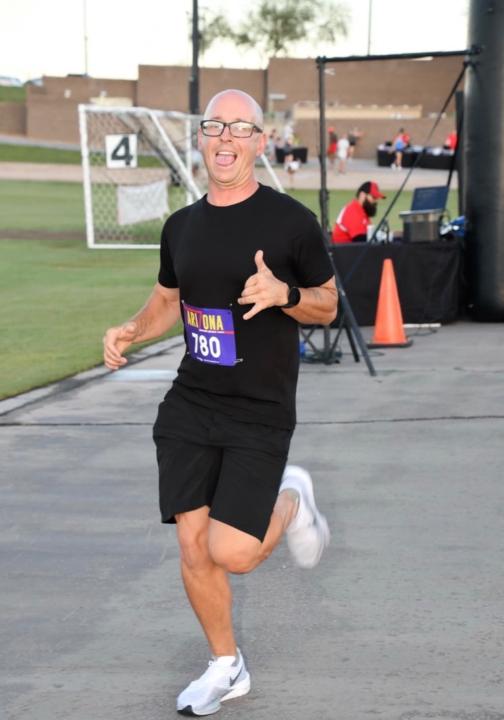
Founder of AIR - Athletes In Recovery, coach, and athlete in recovery. Growing stronger through discipline, faith, and daily work.
Active 128d ago
Joined Nov 30, 2025