Activity
Mon
Wed
Fri
Sun
Aug
Sep
Oct
Nov
Dec
Jan
Feb
Mar
Apr
May
Jun
What is this?
Less
More
Memberships
Japanese Language Learners
393 members • Free
Italian Speaking Academy
133 members • $29/month
14 contributions to Japanese Language Learners

Mar 28 •
🇯🇵 Top 20 Essential Katakana Words
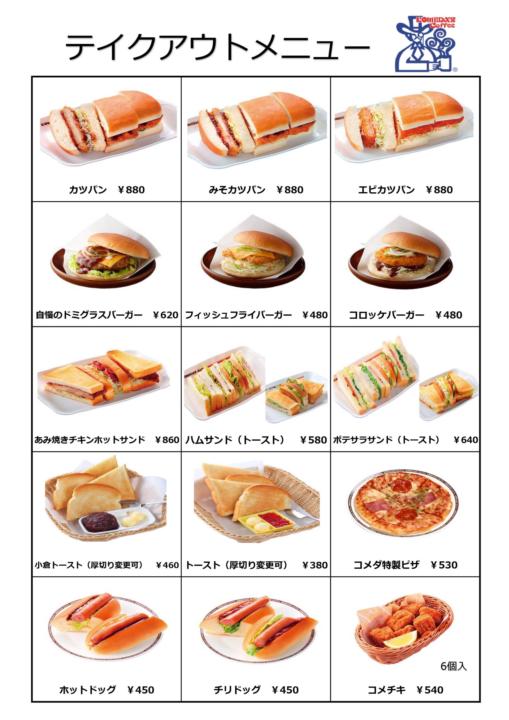
We got a great question from @Shiv Monga and inspired this post! How many did you already know? Do you have a favourite katakana word? 🛍️ Everyday Items & Places コンビニ (konbini) – convenience store スーパー (sūpā) – supermarket レストラン (resutoran) – restaurant ホテル (hoteru) – hotel カフェ (kafe) – café 🍔 Food & Drink コーヒー (kōhī) – coffee ジュース (jūsu) – juice パン (pan) – bread アイスクリーム (aisukurīmu) – ice cream チョコレート (chokorēto) – chocolate 💻 Modern Life スマホ (sumaho) – smartphone パソコン (pasokon) – personal computer インターネット (intānetto) – internet テレビ (terebi) – TV ゲーム (gēmu) – game 👕 Fashion & Lifestyle Tシャツ (tī shatsu) – T-shirt ジーンズ (jīnzu) – jeans バッグ (baggu) – bag サンダル (sandaru) – sandals コート (kōto) – coat

1 like • Mar 30
I know most of them now. Didnt know about jeans. Arigatou Goziamasu
Mar 23 •
📝 今週の日記(Weekly Diary)
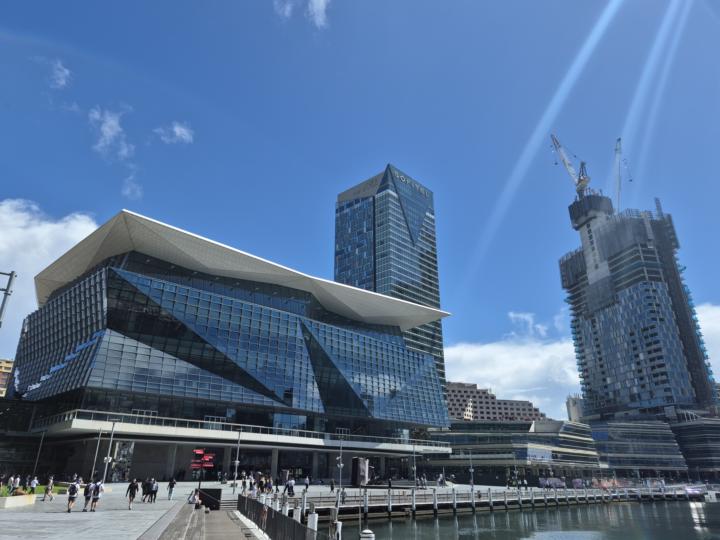
✏️ Goal: Write a short diary entry in Japanese ✅ Beginner(with romaji + English) 今日、学生とシドニーのICCに行きました。 Kyō, gakusei to Shidonī no ICC ni ikimashita. Today, I went to the Sydney ICC with my students. ダーリングハーバーにあります。 Dāringu Hābā ni arimasu. It is in Darling Harbour. とても大きい建物でした。 Totemo ōkii tatemono deshita. It was a very big building. 学生はとても楽しそうでした。 Gakusei wa totemo tanoshisō deshita. The students looked like they were having fun. いい一日でした。 Ii ichinichi deshita. It was a good day. ✅ N3 Version 今日は学生たちを連れて、ダーリングハーバーにあるシドニーのICCに行きました。 とても大きくて近代的な建物で、会場の雰囲気も活気がありました。 学生たちも楽しんでいる様子で、充実した一日になりました。 校外学習として、とても良い経験だったと思います。 🫵 Your Turn Write 3–5 sentences about your day. You can start with: 今日、___に行きました。 ___は___でした。 いい一日でした。 Short and simple is perfect 😊
1 like • Mar 25
Kyou cafe ni ikimashta. Tomago to bacon 🥓 o tabemashita. Oishii deshita. Ie ni sanjo shimashita. Muzukashita deshita. Terebi o mimashita. かょうはcafeに行きました。と孫とbaconを食べました。美味しいでした。家に三時押しました。無zu化したでした。テレべをみました。
Mar 16 •
📝 今週の日記(Weekly Diary)
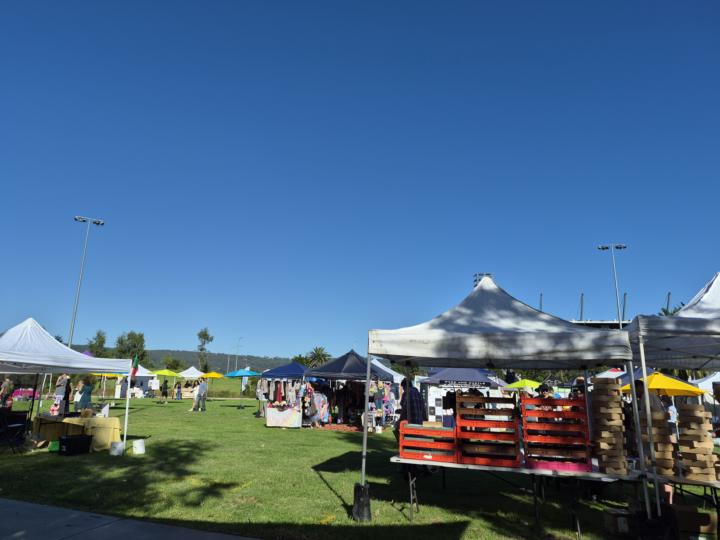
✏️ Goal: Write a short diary entry in Japanese 🧠 Mini Lesson: で The particle で shows where an action happens. Pattern: Place + で + Verb Examples: カフェで食べます。 Kafe de tabemasu. I eat at a café. 図書館で読みます。 Toshokan de yomimasu. I read at the library. 公園でコーヒーを飲みます。 Kōen de kōhī o nomimasu. I drink coffee at the park. ✅ Beginner Diary (with romaji + English) カフェで朝ごはんを食べました。 Kafe de asagohan o tabemashita. I ate breakfast at the café. 図書館で本を読みました。 Toshokan de hon o yomimashita. I read a book at the library. 公園でコーヒーを飲みました。 Kōen de kōhī o nomimashita. At the park, we had coffee. とてもいい週末でした。 Totemo ii shūmatsu deshita. It was a lovely weekend. 🫵 Your Turn Write 2–4 sentences about your weekend using で. Example: カフェでコーヒーを飲みました。 公園でさんぽしました。 Simple is perfect 😊
1 like • Mar 18
sandwichでカフェでのみました。neighbourhoodであるいた。さかなでkitchenをryouriしました。i ate a sandwich at a cafe. I went for a walk in my neighborhood. I cooked fish in my kitchen.
1 like • Mar 19
@Joe Bennett arigatou gozaimasu🫶
Mar 10 •
🍜 Ramen vs 🍞 Shokupan
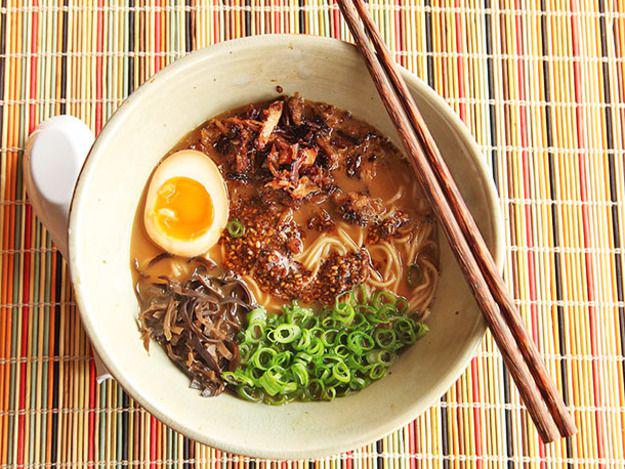
Yesterday’s winner was… ひつまぶし (Hitsumabushi)! 🍚🔥 Nagoya’s eel masterpiece swims into the Final Four! Now we have a fascinating clash of everyday Japanese comfort foods… 🔥 Japanese Food Tournament — Round 3 (Final 8) 🔥 🍜 Ramen vs 🍞 Shokupan Legendary noodle bowl versus cloud-soft milk bread. Only one moves on. 🍜 Ramen (ラーメン) Few dishes represent Japanese comfort food like ramen. Deep, flavourful broth, springy noodles and toppings like chashu pork, egg, bamboo shoots and green onions create a bowl that can be endlessly varied. From rich tonkotsu in Fukuoka to miso ramen in Hokkaidō, every region brings its own personality. Why it’s dangerous this round: Deep, layered flavours Huge regional variety Global icon of Japanese cuisine Comfort food in its most satisfying form This is obsession in a bowl. 🍞 Shokupan (食パン) Soft, fluffy and slightly sweet, shokupan is Japan’s beloved milk bread. Whether toasted thick with butter, turned into sandwiches or enjoyed fresh from the bakery, its cloud-like texture makes it a staple of daily life. Why it’s still standing: Ultra-soft texture Gentle sweetness Bakery comfort at its best Perfect for both sweet and savoury dishes This is simplicity baked to perfection. 🗳️ Time to Vote! Which one reaches the Final Four? The deep comfort of ramen? Or the pillowy softness of shokupan? Cast your vote and defend your favourite! 🍜🍞 The Final Four is almost set…
1 like • Mar 10
Shokupan kudasai
Mar 9 •
📝 今週の日記(Weekly Diary)
✏️ Goal: Write a short diary entry in Japanese 🧠 Mini Lesson: Place に行きます (go to a place) To say “go to a place” in Japanese, we use: Place + に + 行きます Place + ni + ikimasu に shows the destination. Examples: 店に行きます。 Mise ni ikimasu. I go to a shop. 公園に行きます。 Kōen ni ikimasu. I go to the park. 📍 Useful Places 店 — mise — shop レストラン — resutoran — restaurant 公園 — kōen — park 学校 — gakkō — school カフェ — kafe — café 仕事 — shigoto — work ✅ Beginner Diary (with romaji + English) 明日はひまです。 Ashita wa hima desu. Tomorrow I am free. 店に行きます。 Mise ni ikimasu. I will go to a shop. レストランに行きます。 Resutoran ni ikimasu. I will go to a restaurant. 公園に行きます。 Kōen ni ikimasu. I will go to the park. 楽しみです。 Tanoshimi desu. I am looking forward to it. 🫵 Your Turn Write 2–4 sentences about where you will go. Example: カフェに行きます。 公園に行きます。 Simple is perfect 😊

2 likes • Mar 10
kyou wa shigoto ni ikimashita. Sore wa taikutsuda. きょう わ しごと に いきました. それ わ たいくつだ
1-10 of 14

Active 20d ago
Joined Jan 26, 2026
Powered by