
May 4 •
Make Sure You do This With the Plants That You Buy!!
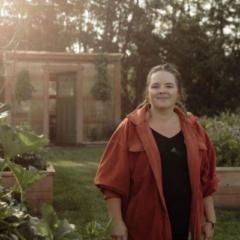
Hardening off is something a lot of beginners skip because nobody tells them about it, and then they wonder why the plants they bought look terrible a week after planting. Here's what's actually happening and how to do it right. When plants are grown at a nursery or greenhouse, they live in a protected environment with consistent warmth, no wind, and filtered light. It's basically a spa. Then you bring them home and put them straight in the ground, and suddenly they're dealing with direct sun, temperature swings, and wind they've never experienced. The leaves scorch, the plant wilts, and it looks like you killed it immediately. You didn't do anything wrong. It just wasn't ready. Hardening off is the process of slowly introducing your new plants to outdoor conditions over about a week so they can build up the toughness they need. You're helping them develop thicker leaf surfaces, stronger stems, and the ability to handle varying weather. Here's how to do it (and yes it is important that you do it): Day 1, set the plants outside in a shady sheltered spot for an hour or two and then bring them back in. That's it. You're just introducing them to outdoor air and temperature. Day 2, same thing but leave them out for three to four hours. Still shade, still sheltered. Day 3, start giving them a little dappled light and leave them out for about four hours. You'll notice them starting to look a little sturdier already. Day 4, they're ready for some real sun now. Morning sun is gentler than afternoon sun so position them to get that first. Leave them out for half the day. Day 5, most of the day outside with more direct sun exposure. Bring them in before evening. Day 6, out all day. At this point they should be handling it well. Day 7, leave them out overnight if temperatures are safe for that plant. After that they're ready to go in the ground. A few things that actually matter during this process. Check your plants every day because containers dry out much faster outside, especially with any wind. If a cold snap or heat wave is coming, just bring them in and pick up where you left off. And don't skip this for tomatoes or peppers. Those are the ones most likely to struggle if you rush it. Hardy annuals like marigolds or pansies are more forgiving, but the warm season vegetables really do need this transition time.
Apr 28 •
Before you go to the greenhouse this weekend, read this 👇
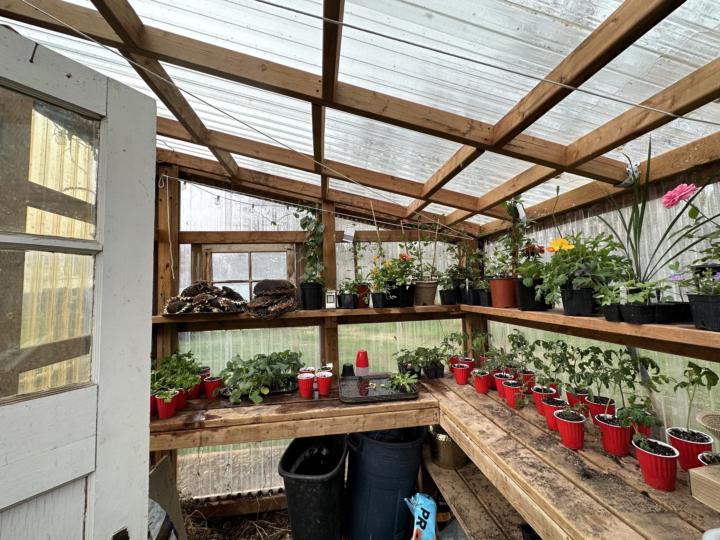
Every spring I walk around many greenhouses and I always see things for sale that make me go... why is this here. People leave with a cart full of things that were never going to make it, or could have cost them $2 in seeds instead of $40 in starts. Here's what you need to know before going shopping this year... Lots of things can be very easily started from seed. Save yourself a ton of money and don't buy the starts. The following plants are either too easy not to start yourself or too fussy about transplanting to be worth buying as starts... GROW FROM SEED, DON'T BUY AT THE GREENHOUSE: Carrots, beets, radishes, parsnips -- direct sow, can't be transplanted, they grow a taproot the second they germinate and moving them kills them. Peas and beans -- fast from seed, go in cold ground, hate having roots disturbed. Cucumbers -- I've tried starting these and they die every time. Direct sow and they catch up fast. Squash and zucchini -- usually root bound by the time you buy them and seeds catch right up. Spinach, lettuce, arugula -- cold tolerant, germinates fast, pennies from seed. Do not buy!!! Nasturtiums, zinnias, cosmos, sunflowers -- please do not spend $4 per plant on any of these. Scratch them in the dirt and walk away. Dill and cilantro -- these bolt almost immediately after transplanting. Scatter seeds where you want them, they'll self seed forever once established. WORTH BUYING AT THE GREENHOUSE: Tomatoes, peppers, eggplant -- long indoor start time, buy these unless you have a good setup. Onion sets and leek starts -- long season crop, totally reasonable to buy. Pumpkins -- I personally have a hard time starting these from seed so I buy starts every year. No shame in it. True perennials rated for your zone -- rhubarb, chives, coneflowers, yarrow. These pay for themselves over time. THE PERENNIAL TRAP This is the one that costs people the most money. A plant is only a perennial if it survives YOUR winter. Not in general. It has to survive in your zone.

Apr 11 •
Starting yard clean up
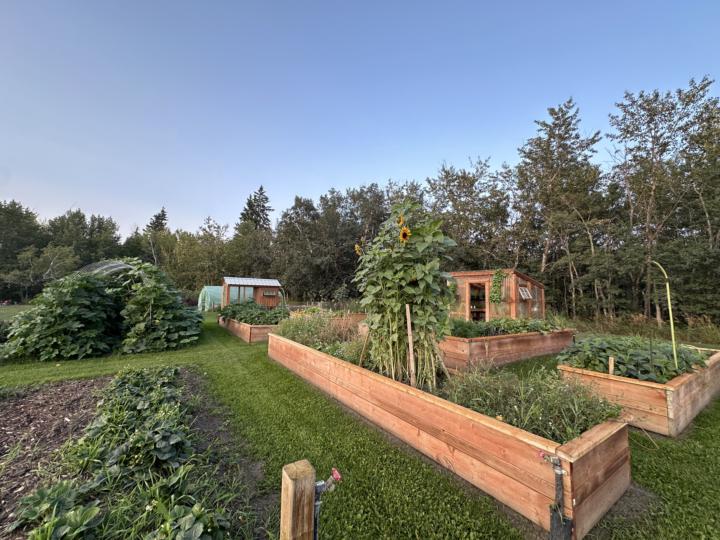
There is still a lot of snow here, but lots of work to do before outdoor gardening begins. We did a heavy pruning on the 6 Saskatoon bushes. They were very over grown probably 18 feet tall, we took them down to 5.5 feet and took out all the old gnarly branches. Next up front yeah shrubs

Mar 23 •
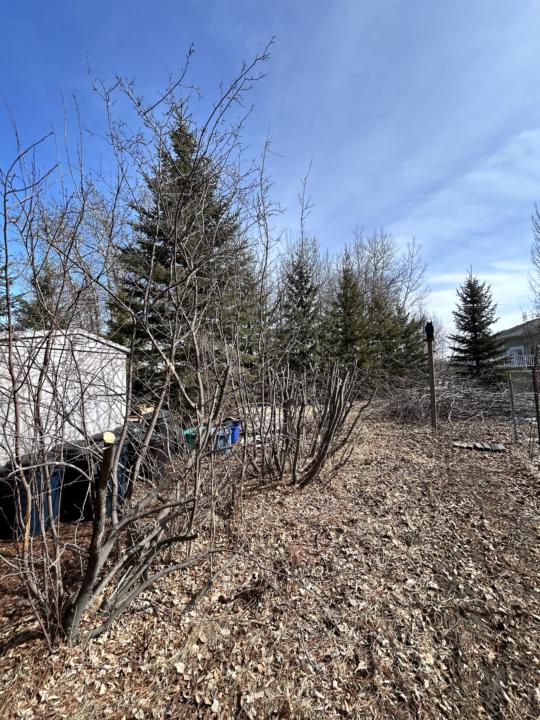
Willow mud kitchen
Hi! If anyone made or followed a how to video for the Willow mud kitchen I’d love to see!
1-4 of 4
skool.com/yardsteadsociety
Free DIY building resources, project gallery, and builder forum. Plus, exclusive resources for turning your yard into a productive Yardstead.
Leaderboard (30-day)
1
+25
2

+4
3
+3
4
+2
5

+2
Powered by