
Jan 19 (edited) • Human Factors
Case Study 77: Working Around Mobile Plant. Blind Spots and Exclusion Zones
Incident Overview
During a site safety demonstration, an excavator (180° plant) was positioned centrally with clearly marked blind spot, exclusion zone, and safe zone areas. Cones, barriers, and signage were used to visually show how quickly visibility is lost around mobile plant.
Operatives were asked to stand at various positions around the machine while the operator remained seated in the cab. From ground level, the machine appeared fully visible. From the cab, several workers disappeared completely from view, even at short distances.
This exercise reflected a common live-site condition where workers believe they are “seen”, while in reality they are positioned directly inside blind spots.
What Went Wrong
On active construction sites, similar plant is often operating:
●Excavators (180° / 360°)
●Forklifts
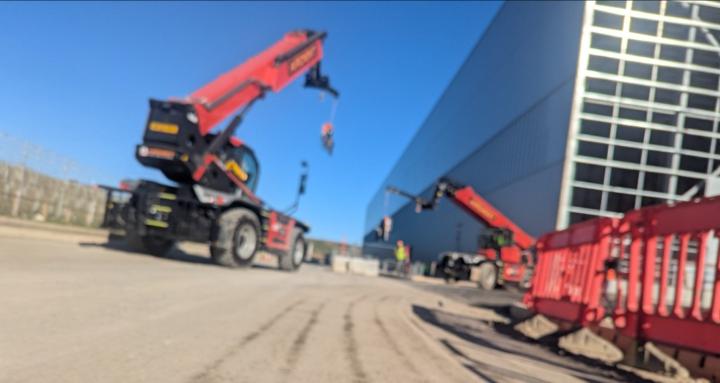
●Roto 360 telehandlers
Workers frequently enter the operating radius to guide, observe, or “just pass through”. Exclusion zones may exist on paper, but are not always respected or actively controlled. If a worker can enter a blind spot, the exclusion zone has failed.
The risk increases when:
●The plant is slewing or reversing
●Attachments obstruct the operator’s view
●Ground workers assume eye contact equals visibility
●Exclusion zones are not physically enforced
Key Hazards Identified
●Operator blind spots on all sides of the machine
●Crushing risk during slewing or reversing
●Workers standing within the machine’s operating radius
●False sense of safety due to proximity and familiarity
●No single person controlling the exclusion zone
Any of these conditions can result in striking, trapping, or crushing injuries.
Key Lessons Learned
●If you can see the machine, it does not mean the operator can see you
●Blind spots exist even on modern plant
●Exclusion zones must be physical, not verbal
●Standing “just outside” is still inside the risk
Safety Recommendations
●Establish clear exclusion zones using barriers, cones, and signage
●Never rely on eye contact or assumptions of visibility
●Use a dedicated plant marshal or banksman where people and plant interface
●Keep all non-essential personnel out of the operating radius
●Brief workers regularly on blind spot risks using visual demonstrations like this
Key Message
Plant doesn’t forgive mistakes.
Blind spots don’t announce themselves.
Exclusion zones save lives.
●LOLER 1998 – Reg. 8
Lifting and plant operations must be properly planned and supervised.
●PUWER 1998 – Reg. 11
Measures must be taken to prevent people being struck by moving equipment.
●PUWER 1998 – Reg. 9
Operators and workers must be trained to understand risks and limitations.
●BS 7121-1
Exclusion zones must be established and enforced around lifting and plant operations.
●CDM 2015
Site activities must be planned and coordinated to prevent plant–person interface risks.
Wolf Lifting Dynamics – Safe Lifting UK | Case Study 77
0
0 comments
Case Study 77: Working Around Mobile Plant. Blind Spots and Exclusion Zones
powered by
skool.com/wolf-lifting-dynamics-9548
This community shares real lifting case studies, consultancy insights, and site-proven lessons covering cranes, supervision, planning, and execution.
Suggested communities
Powered by