
Jan 19 (edited) • Human Factors
Case Study 76: Fatigue at the End of Shift
Incident Overview
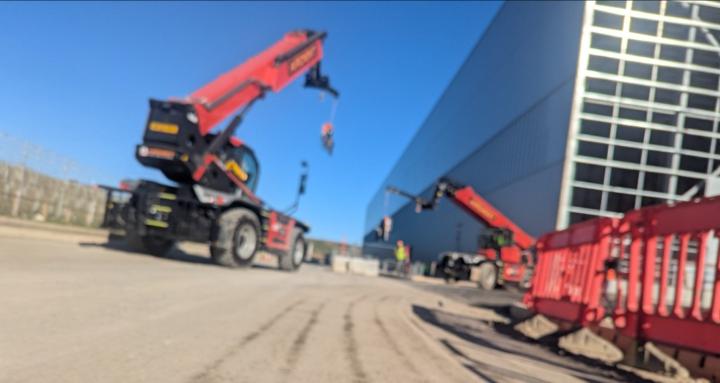
Near the end of a long shift, a lifting operation continued despite visible fatigue in the crane team. Reaction times slowed, signals were delayed, and decision-making became rushed as everyone focused on finishing the job.
What Went Wrong
Fatigue was recognised but not managed. The team prioritised completion over control.
Key Lessons Learned
Fatigue reduces situational awareness
End-of-shift lifts carry higher risk
“One more lift” thinking is dangerous
Safety Recommendations
Assess fatigue levels before continuing lifting late in the shift. If concentration drops, postpone the lift to a safer time.
●LOLER Reg. 8 – Lifts must be supervised and controlled at all times.
●PUWER Reg. 9 – Competence includes fitness for work.
●BS 7121-1 – Human limitations must be considered.
●CDM 2015 – Work must be planned to avoid foreseeable risk.
Key point
Fatigue increases risk, not tolerance.
Wolf Lifting Dynamics – Safe Lifting UK | Case Study 76
0
0 comments
Case Study 76: Fatigue at the End of Shift
powered by
skool.com/wolf-lifting-dynamics-9548
This community shares real lifting case studies, consultancy insights, and site-proven lessons covering cranes, supervision, planning, and execution.
Suggested communities
Powered by