

🔥
2d •
Titel: 🚜 MAANTAAK (7-10 Julie): Sny jou gras vir STADIGE groei! / Mow for SLOW growth!
Inhoud: [AFRIKAANS] Ons het gister (7 Julie) die Laaste Kwart van die maansiklus getref. Die energie en sappe van bome en plante is nou heeltemal teruggetrek tot diep in die wortels onder die grond. Dit beteken hierdie week is die absoluut beste tyd vir twee baie spesifieke tuintake om brandstof en arbeid te spaar: 1. 🚜 Grassnyer Taktiek: As jy jou gras tussen 7 en 10 Julie sny, gaan dit baie stadiger teruggroei vir die res van die winter. Dit hou jou erf langer netjies en spaar jou duur brandstof! 2. 🪓 Swaar Winter-Snoei: Dit is die ideale dae om jou bladwisselende vrugtebome 'n strawwe vormsnoei te gee. Omdat die sapvloei in die takke minimaal is, gaan die boom nie bloei of swak, wilde lote stoot nie. 🔒 Wil jy ons regte video-bewyse sien? In die Klaskamer (agter Level 2) het ons ons regte 2024-eksperimente gelaai: - Les 1: Wys die 15-sekonde video waar ek self die hand-stoot-lem grassnyer teen die opdraand stoot om hierdie konsep te toets. - Les 2: Wys hoe 'n strawwe snoei op 29 April gekombineer met ons Toeka & NOU LPN-fertilizer binne net 'n maand se tyd dik, gesonde nuwe groei ontketen het! 👇 Lewer HIERONDER kommentaar om punte te verdien: Gaan jy hierdie week jou grassnyer uithaal om brandstof te spaar, of is jy besig met snoeiwerk? Laat weet ons hieronder! (Kommentaar = Punte om Level 2 te skiet!). [ENGLISH] Yesterday (July 7th), we hit the Last Quarter of the moon cycle. The energy and sap of trees and plants are now completely drawn down deep into the roots below the soil. This means this week is the absolute best time for two very specific garden tasks to save you fuel and labor: 1. 🚜 Lawnmower Tactic: If you mow your lawn between July 7th and 10th, the grass will grow back much slower for the rest of the winter. This keeps your yard neat longer and saves expensive fuel! 2. 🪓 Heavy Winter Pruning: These are the ideal days to give your deciduous fruit trees a heavy structural prune. Because sap flow in the branches is minimal, the tree won't bleed or push out wild, weak shoots.
🔥
8d •
Titel: 🍂 JULIE 1-6 TAKE: Bou jou grondlewe vir sterk, dik stamme! / Build your soil for thick, strong stems!
Inhoud: [AFRIKAANS] Van vandag af tot 6 Julie trek die maan se energie afgrond toe. Die aarde "inasem," wat beteken dit is die beste week van die winter vir grondwerk, kompos omsit, en die pak van Hugelkultur-beddings (om ou winterhout en blare onder die grond as 'n organiese spons te begrawe). Wanneer jou grondlewe reg funksioneer, kry jou plante 'n onstuitbare veerkragtigheid. Kyk na wat een van ons kliënte nou net as bewys op die groep gedeel het oor haar tamaties: 💬 "Before (First Pic) After (Second and Third Pic) three weeks apart, look at how thick the stem is. This tomato plant is thriving with Toeka & Nou's LPN." Hierdie plantjies is nog klein, maar hulle is so sterk dat sy selfs suksesvol met hulle van die Paarl af Keimoes toe getrek het! Dit is wat ware plant-gesondheid beteken. 🔒 Die volledige gids vir ons Julie-Maankalender en die korrekte grondtake lê vir jou gereed in die Klaskamer agter Level 2! 👇 Lewer hieronder kommentaar om punte te verdien: Het jy al self gesien hoe Toeka & NOU se LPN-produk ’n verskil aan jou plante se stamme of blare maak? Deel jou storie hieronder! [ENGLISH] From today until July 6th, the moon's energy draws downward. The earth is "breathing in," making this the best week of the winter for soil work, turning compost, and packing Hugelkultur beds (burying old winter wood and leaves as an organic sponge). When your soil life functions correctly, your plants develop unstoppable resilience. Look at what one of our clients just shared on the group about her tomatoes: 💬 "Before (First Pic) After (Second and Third Pic) three weeks apart, look at how thick the stem is. This tomato plant is thriving with Toeka & Nou's LPN.
🔥
17d •
Kweek Huis In Die Groot Karoo
Vandag steek ons bietjie kersop by oom Koos met sy metode van kweek huis bou. Luister mooi wat oom Koos sê want hy gee wenke hier wat min boere weet.
🔥
Jun 6 •
🌸 The Secret Weapon of Lazy Gardening | Die Geheime Wapen van 'n "Lui" Tuin
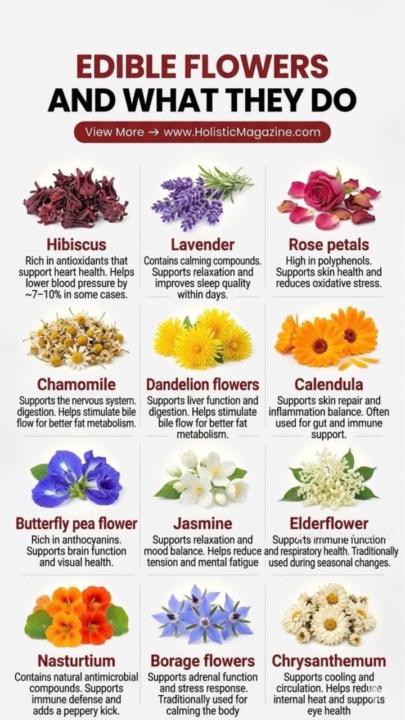
🇬🇧 𝗘𝗻𝗴𝗹𝗶𝘀𝗵 Let’s bust a massive gardening myth: Flowers are not just for looking pretty. If you treat flowers as purely decorative, you are leaving free garden labor on the table. In a holistic permaculture design, every plant must do at least 3 jobs. Edible flowers mimic a natural ecosystem so beautifully that you end up doing way less weeding, watering, and pest control! 🇿🇦 𝗔𝗳𝗿𝗶𝗸𝗮𝗮𝗻𝘀 Kom ons ontmasker 'n groot tuinbou-mite: Blomme is nie net daar om mooi te lyk nie. As jy blomme bloot as dekoratief beskou, mors jy gratis tuin-arbeid. In 'n holistiese permakultuur-ontwerp moet elke plant ten minste 3 take verrig. Eetbare blomme boots 'n natuurlike ekosisteem so goed na dat jy op die einde baie minder onkruid trek, natmaak en plaagbeheer doen! 🚨 𝗧𝗵𝗲 𝗣𝗲𝘀𝘁 𝗗𝗲𝗳𝗲𝗻𝗱𝗲𝗿𝘀 | 𝗗𝗶𝗲 𝗣𝗹𝗮𝗮𝗴𝗯𝗲𝘀𝗸𝗲𝗿𝗺𝗲𝗿𝘀 - 𝗡𝗮𝘀𝘁𝘂𝗿𝘁𝗶𝘂𝗺 (𝗞𝗮𝗽𝗽𝗲𝗿𝘁𝗷𝗶𝗲𝘀): The ultimate "sacrificial" crop. It lures aphids and caterpillars away from your veggies. 𝗧𝗮𝘀𝘁𝗲: Peppery radish. / 𝘋𝘪𝘦 𝘶𝘭𝘵𝘪𝘦𝘮𝘦 "𝘰𝘧𝘧𝘦𝘳-𝘰𝘦𝘴". 𝘋𝘪𝘵 𝘭𝘰𝘬 𝘱𝘭𝘢𝘯𝘵𝘭𝘶𝘪𝘴𝘦 𝘦𝘯 𝘳𝘶𝘴𝘱𝘦𝘴 𝘸𝘦𝘨 𝘷𝘢𝘯 𝘫𝘰𝘶 𝘨𝘳𝘰𝘦𝘯𝘵𝘦 𝘢𝘧. 𝘚𝘮𝘢𝘢𝘬: 𝘗𝘦𝘱𝘦𝘳𝘢𝘨𝘵𝘪𝘨𝘦 𝘳𝘢𝘥𝘺𝘴𝘦. - 𝗖𝗵𝗿𝘆𝘀𝗮𝗻𝘁𝗵𝗲𝗺𝘂𝗺 (𝗞𝗿𝗶𝘀𝗮𝗻𝘁𝗲): Contains pyrethrins, a natural insecticide that repels ticks, fleas, and beetles. 𝗧𝗮𝘀𝘁𝗲: Bitter herb. / 𝘉𝘦𝘷𝘢𝘵 𝘱𝘺𝘳𝘦𝘵𝘩𝘳𝘪𝘯𝘴, '𝘯 𝘯𝘢𝘵𝘶𝘶𝘳𝘭𝘪𝘬𝘦 𝘪𝘯𝘴𝘦𝘬𝘥𝘰𝘥𝘦𝘳 𝘸𝘢𝘵 𝘣𝘰𝘴𝘭𝘶𝘪𝘴𝘦, 𝘷𝘭𝘰𝘰𝘪𝘦 𝘦𝘯 𝘬𝘦𝘸𝘦𝘳𝘴 𝘢𝘧𝘴𝘬𝘳𝘪𝘬. 𝘚𝘮𝘢𝘢𝘬: 𝘉𝘪𝘵𝘵𝘦𝘳, 𝘬𝘳𝘶𝘪𝘦-𝘢𝘨𝘵𝘪𝘨. - 𝗕𝗼𝗿𝗮𝗴𝗲 (𝗞𝗼𝗺𝗸𝗼𝗺𝗺𝗲𝗿𝗸𝗿𝘂𝗶𝗱): Attracts predatory insects like lacewings that devour pests. 𝗧𝗮𝘀𝘁𝗲: Crisp cucumber. / 𝘓𝘰𝘬 𝘳𝘰𝘰𝘧𝘪𝘯𝘴𝘦𝘬𝘵𝘦 𝘴𝘰𝘰𝘴 𝘨𝘰𝘶𝘥𝘰𝘨𝘪𝘦𝘴 𝘸𝘢𝘵 𝘱𝘭𝘢𝘦 𝘷𝘳𝘦𝘦𝘵. 𝘚𝘮𝘢𝘢𝘬: 𝘝𝘢𝘳𝘴 𝘬𝘰𝘮𝘬𝘰𝘮𝘮𝘦𝘳. 🩹 𝗦𝗼𝗶𝗹 & 𝗣𝗵𝗮𝗿𝗺𝗮𝗰𝘆 | 𝗚𝗿𝗼𝗻𝗱𝗴𝗲𝘀𝗼𝗻𝗱𝗵𝗲𝗶𝗱 & 𝗔𝗽𝘁𝗲𝗲𝗸 - 𝗗𝗮𝗻𝗱𝗲𝗹𝗶𝗼𝗻 (𝗣𝗹𝗮𝘁𝗱𝗶𝘀𝘀𝗲𝗹 / 𝗣𝗲𝗿𝗱𝗲𝗯𝗹𝗼𝗺): Deep taproot mines buried minerals and breaks clay. 𝗧𝗮𝘀𝘁𝗲: Bitter chicory. / 𝘋𝘪𝘦𝘱 𝘱𝘦𝘯𝘸𝘰𝘳𝘵𝘦𝘭 𝘭𝘪𝘨 𝘣𝘦𝘨𝘳𝘢𝘸𝘦 𝘮𝘪𝘯𝘦𝘳𝘢𝘭𝘦 𝘰𝘱 𝘦𝘯 𝘣𝘳𝘦𝘦𝘬 𝘬𝘭𝘦𝘪𝘨𝘳𝘰𝘯𝘥. 𝘚𝘮𝘢𝘢𝘬: 𝘉𝘪𝘵𝘵𝘦𝘳 𝘴𝘪𝘨𝘰𝘳𝘦𝘪. - 𝗖𝗮𝗹𝗲𝗻𝗱𝘂𝗹𝗮 (𝗚𝗼𝘂𝘀𝗯𝗹𝗼𝗺): Feeds beneficial soil microbes and heals skin. 𝗧𝗮𝘀𝘁𝗲: Tangy pepper. / 𝘝𝘰𝘦𝘥 𝘷𝘰𝘰𝘳𝘥𝘦𝘭𝘪𝘨𝘦 𝘨𝘳𝘰𝘯𝘥𝘮𝘪𝘬𝘳𝘰𝘣𝘦𝘴 𝘦𝘯 𝘨𝘦𝘯𝘦𝘦𝘴 𝘥𝘪𝘦 𝘷𝘦𝘭. 𝘚𝘮𝘢𝘢𝘬: 𝘒𝘦𝘳𝘧-𝘱𝘦𝘱𝘦𝘳𝘢𝘨𝘵𝘪𝘨. - 𝗖𝗵𝗮𝗺𝗼𝗺𝗶𝗹𝗲 (𝗞𝗮𝗺𝗶𝗹𝗹𝗲): Improves nearby plant health and yields a relaxing tea. 𝗧𝗮𝘀𝘁𝗲: Sweet apple. / 𝘝𝘦𝘳𝘣𝘦𝘵𝘦𝘳 𝘥𝘪𝘦 𝘨𝘦𝘴𝘰𝘯𝘥𝘩𝘦𝘪𝘥 𝘷𝘢𝘯 𝘱𝘭𝘢𝘯𝘵𝘦 𝘯𝘢𝘣𝘺 𝘩𝘰𝘮 𝘦𝘯 𝘨𝘦𝘦 '𝘯 𝘰𝘯𝘵𝘴𝘱𝘢𝘯𝘯𝘦𝘯𝘥𝘦 𝘵𝘦𝘦. 𝘚𝘮𝘢𝘢𝘬: 𝘚𝘰𝘦𝘵 𝘢𝘱𝘱𝘦𝘭.

Mar 21 •
Grond ph
Hier is 'n verduideliking van hoe die pH-vlak van grond plantvoeding beinvloed en hoe jy dit op natuurlike maniere kan balanseer. Hoe Grond-pH Voedingstofopname Beïnvloed Die pH-vlak (suurgraad) van die grond dien as 'n "sleutel" wat bepaal of voedingstowwe in die grondwater kan oplos sodat die wortels dit kan absorbeer. Selfs al is die grond ryk aan voedingstowwe, kan 'n verkeerde pH-vlak dit vir die plant "toesluit". * Suur Grond (Lae pH, < 6.0): * Tekorte: Belangrike stowwe soos Fosfor (P), Kalium (K), Kalsium (Ca) en Magnesium (Mg) raak minder beskikbaar. * Toksisiteit: Stowwe soos Aluminium (Al) en Mangaan (Mn) word té oplosbaar en kan die wortels beskadig. * Mikrobes: Nuttige bakterieë wat help om organiese materiaal af te breek, is minder aktief in baie suur grond. * Alkaliese/Brak Grond (Hoë pH, > 7.5): * Mikro-tekorte: Plante sukkel om mikrovoedingstowwe soos Yster (Fe), Sink (Zn) en Koper (Cu) op te neem. * Chlorose: 'n Algemene teken is geel blare (Ystertekort) omdat die plant nie yster uit die "soet" grond kan trek nie. ------------------------------ Natuurlike Metodes om pH te Balanseer Onthou dat die natuurlike aanpassing van pH 'n stadige proses is wat gewoonlik 3 tot 6 maande neem. Om pH te Verhoog (Maak Grond Minder Suur) As jou grond te suur is, moet jy stowwe byvoeg wat ryk is aan kalsium: * Landboukalk: Gemaalde kalksteen is die mees algemene natuurlike manier om pH te lig. * Hout-as: As uit jou kaggel (sonder steenkool-reste) verhoog pH vinnig en voeg kalium by. * Eierdoppe: Verpoeierde eierdoppe voeg kalsium by en help om suurheid oor tyd te neutraliseer. Om pH te Verlaag (Maak Grond Minder Alkalies) As jou grond te "soet" of brak is, moet jy versuringsmiddels byvoeg: * Elementêre Swael: Die doeltreffendste langtermynmetode. Grondbakterieë skakel dit stadig om in swaelsuur. * Veenmos (Peat Moss): Die inwerking van veenmos in die boonste laag grond help om die pH te verlaag en hou water beter vas. * Dennenalde (Pine Needles): Gebruik dit as deklaag (mulch); soos dit ontbind, help dit om die grond ligweg te versuur.
1-30 of 35
powered by

skool.com/toeka-nou-masterminds-1188
🌿 Toeka & NOU: Connecting humans & nature for our kids. Heritage & growth. Bou van Toeka tot NOU! 🏕️ Securing the future for the next generation.
Suggested communities
Powered by