
Write something
🔥
1h •
Monkey Selfies
In 2011, photographer David Slater was capturing macaques in the jungles of Indonesia when one curious monkey that later came to be known as Naruto took one of Slater’s cameras and used it to snap a selfie. Slater later published the delightful images in a book, which caught the attention of the People for the Ethical Treatment of Animals (PETA). The organization sued Slater on behalf of Naruto, claiming the monkey owned the copyright for any selfies it had taken. The lawsuit was formally filed in 2015 based on arguments over whether copyright acts extend to non-human animals. After two years of litigation, PETA and Slater settled out of court, with the latter agreeing to donate 25% of his future book revenue to Indonesian charities that protect macaque habitats. Though PETA was content with the settlement, it’s likely the case wouldn’t have been won in court, as the U.S. Copyright Office specifically states that “a photograph taken by a monkey” cannot be copyrighted.
0
0


🔥
2d •
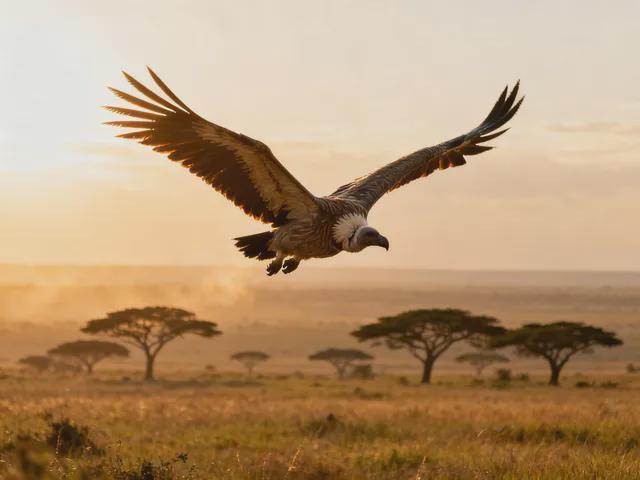
Vultures can soar for hours without flapping their wings.
They ride rising columns of warm air called thermals, gaining height effortlessly while scanning huge areas of land for food. This energy‑saving skill allows them to cover tens of kilometres with almost no effort. What’s one animal behaviour you’ve always wondered about?
🔥
15h •
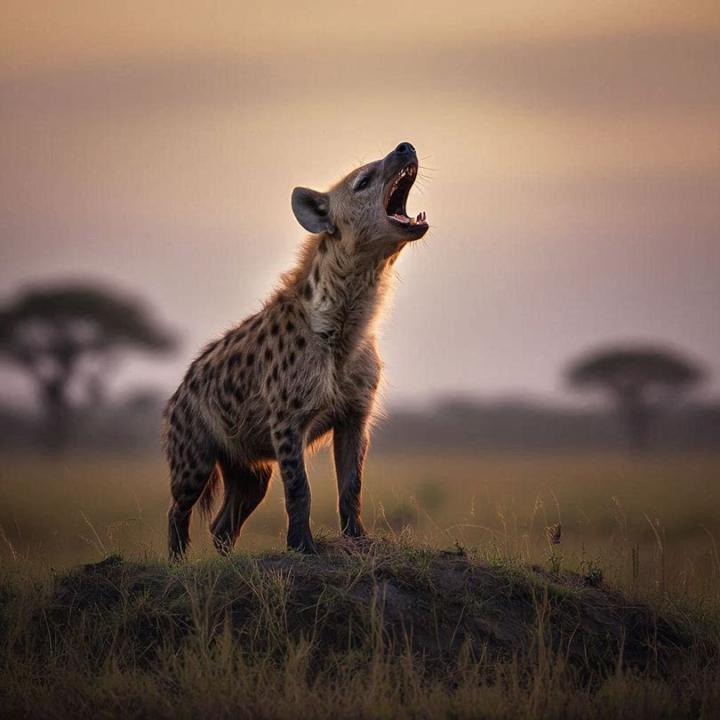
🌿 Fact of the Day -Hyenas
Hyenas communicate in a secret “frequency code.” Their famous whoops aren’t random — each call carries information about identity, rank, distance, and even emotional state. A single whoop can travel over 5 kilometres across the savanna, allowing clans to coordinate without ever being in sight. If animals had a communication system humans could tap into, which species would you want to “listen in” on — and why?
🔥
3d •
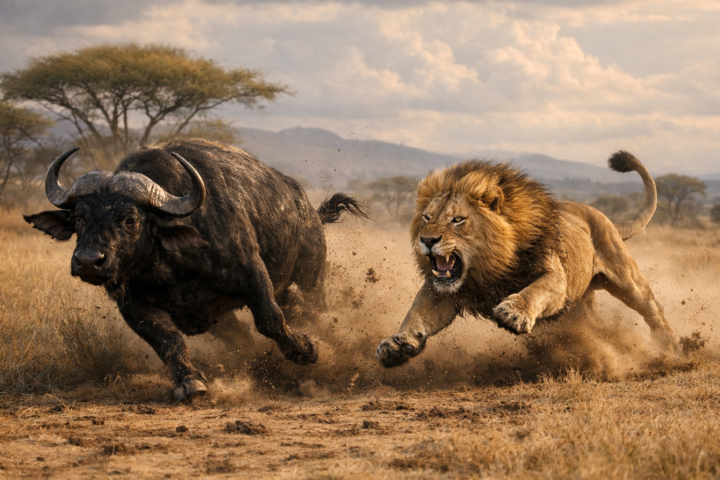
Predators fail more often than they succeed.
A lion’s hunt success rate can be as low as 20%, reminding us that “power” in nature is never guaranteed. Have you ever seen a predator lose — and what did it teach you?
🔥
2d •
#2: 3 x Believe‑It‑Or‑Not Wildlife Facts
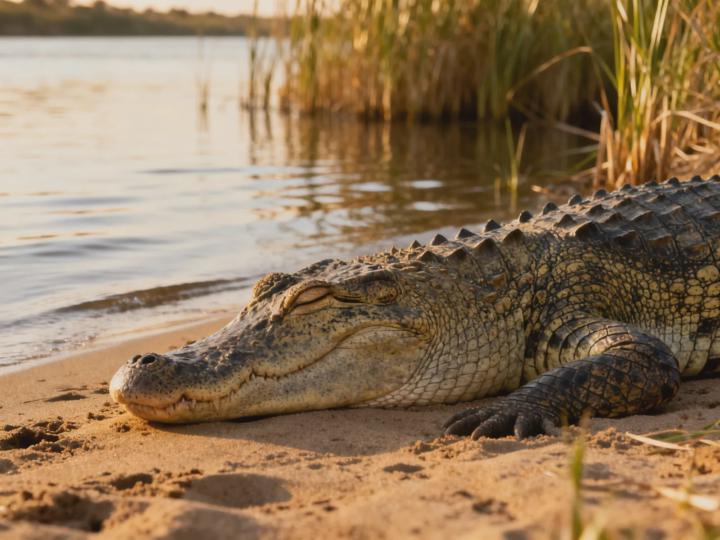
Crocodiles can “sleep with one eye open.” They use unihemispheric sleep, shutting down half the brain while the other half stays alert for danger. Meerkats teach their young like human parents. Adults intentionally give pups injured scorpions first, then progressively more dangerous ones — a structured learning curriculum. Vultures can smell death from over a kilometre away. The turkey vulture’s sense of smell is so sharp it can detect a single molecule of ethyl mercaptan drifting on the wind.
1-30 of 32
powered by
skool.com/the-wildlife-lens-3119
Have fun, Find wildlife. Grow skills. Connect with people who get it. A warm community for naturalists and photographers who'd rather be out there.
Suggested communities
Powered by