
Write something

🔥
5d •
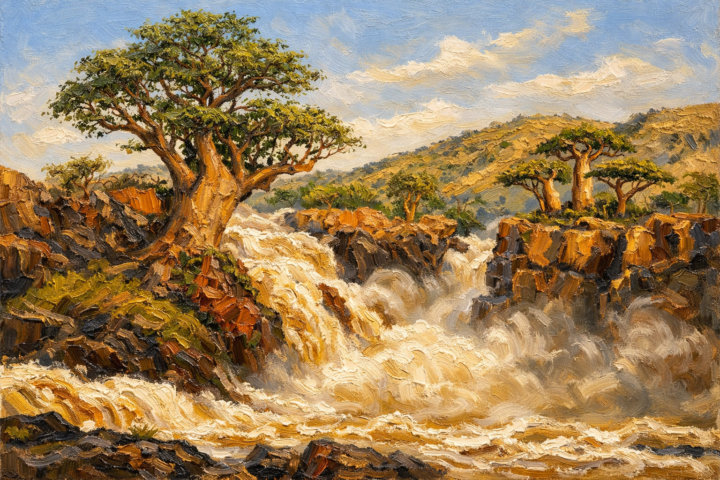
Sold a Painting
One of my hobbies has always been painting — it runs in the family. My mum’s an artist, my dad loved creating art before he passed, and my great‑grandmother from St Kilda was an artist too. Most of my life, though, I’ve been behind a camera. I’ve taken about a million photos since 1974, and I still walk around seeing everything as if I’m framing a shot. I actually gave all my art materials to my mum recently, so painting wasn’t even on my radar. But back in 1977, when I was in the army, I visited Ruacana. The falls weren’t dramatic that day, but the baobabs along the banks stuck with me. A few days ago a birding friend sent me a photo, and it hit the same nerve. So I went to The Range, grabbed a canvas and a few tubes of paint, and decided to give it a go. I didn’t use anything fancy — just the core colours. A couple of blues for the sky, a green or two for the trees, some warm earth tones for the rocks, and a ridiculous amount of white for the waterfall. Big brushes for blocking in, medium ones for shaping, a tiny rigger for the little water streaks, and a fan brush to soften the mist. That was pretty much the whole setup. I put it on ArtPal afterwards, and it sold — prints are still available. Funny how a simple spark can pull you right back into something you thought you’d packed away.
🔥
16d •
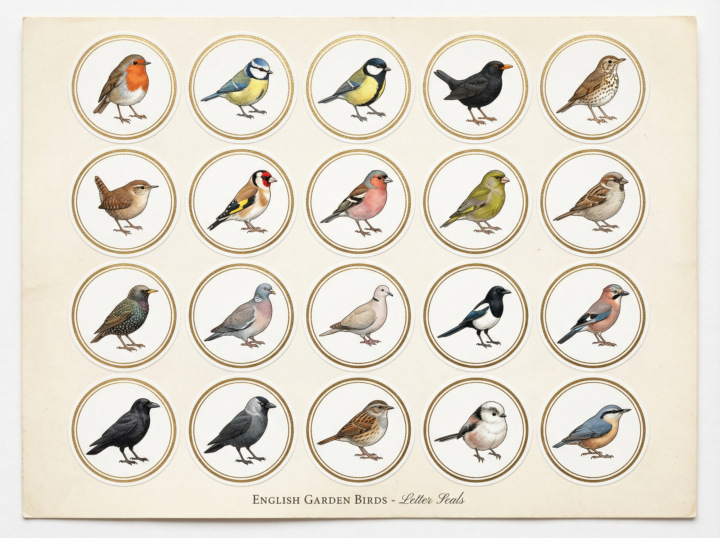
Letter Seals: Just for fun English Birds
A letter seal is a small decorative sticker or emblem traditionally placed on the back flap of an envelope. Before self‑adhesive envelopes became standard, people used wax seals or “lick‑and‑stick” paper seals to secure and beautify their letters. These seals didn’t replace postage — they were purely ornamental, adding charm, personality, and a sense of ceremony to everyday correspondence. Today, they’ve made a quiet comeback. You can print them at home, cut them out, and glue them onto envelopes for a nostalgic, handcrafted touch. Your first sheet — Popular English Birds — fits beautifully into that tradition, blending classic letter‑writing culture with The Wildlife Lens’s nature‑first aesthetic.
🔥
18d •
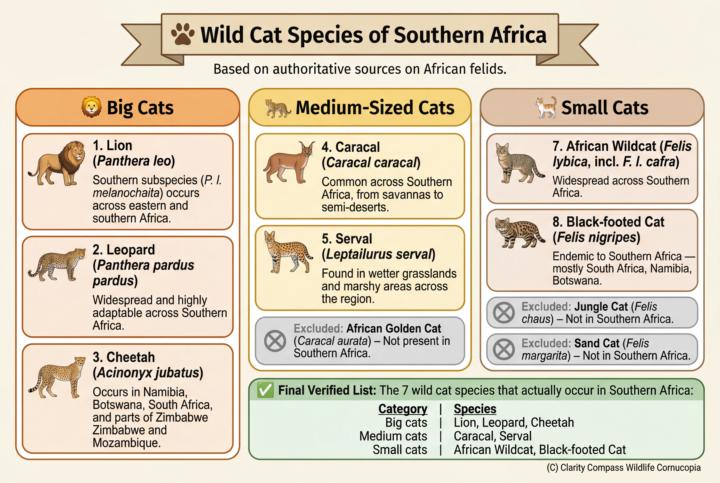
Wild Cats in South Africa
South Africa has seven species of wild cats, confirmed by the 2025 Mammal Red List of South Africa, Lesotho, and Eswatini coordinated by the Endangered Wildlife Trust (EWT) and SANBI. If you have been to a Zoo, a Wildlife Park or in a Reserve, tell us what you saw and where you saw it!
🔥
18d •
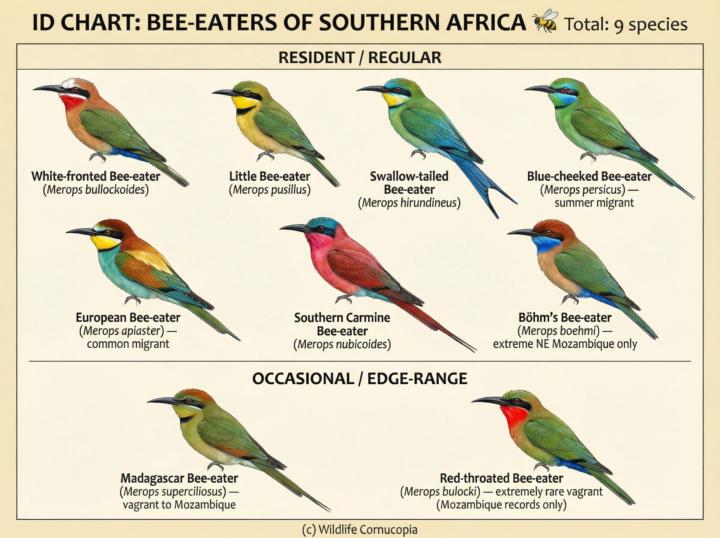
🐝 Bee‑eaters of Southern Africa
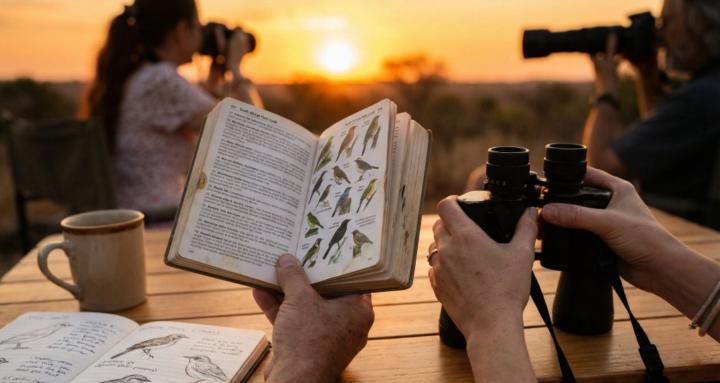
Bee‑eaters are sleek, fast‑flying aerial hunters built for life on the wing. Their long, pointed wings and graceful, swallow‑like flight make them some of the most agile insect catchers in the region. True to their name, they specialise in stinging insects — bees, wasps, hornets — which they skillfully disarm by striking the prey against a perch to remove the sting. They are unmistakable: slender bodies, long decurved bills, bright greens, blues, chestnuts, yellows, and in some species, elegant tail streamers. Their calls are soft, rolling, and musical, often heard before the birds appear overhead. Bee‑eaters thrive in open habitats — riverbanks, savannas, floodplains, woodlands, and sandy cliffs where many species dig nesting burrows. Whether perched socially on a branch or sweeping through the sky in loose flocks, they add colour, movement, and a sense of effortless freedom to Southern Africa’s landscapes.
🔥
18d •
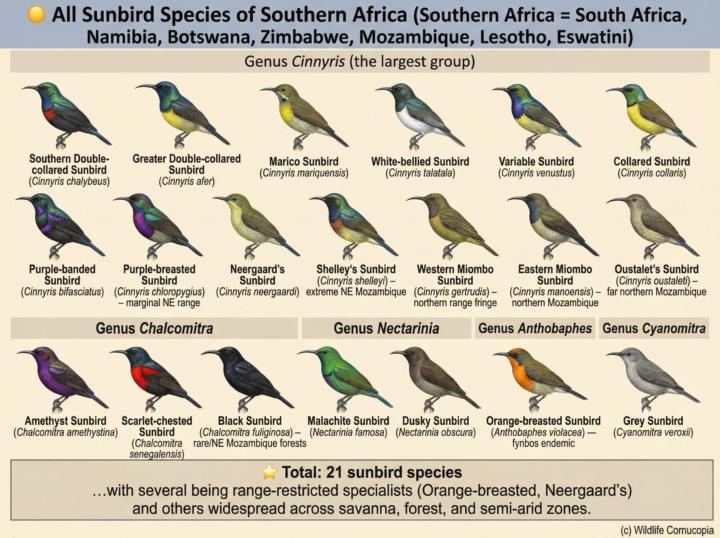
Southern African Sunbirds
Southern Africa’s sunbirds are small, fast‑moving nectar specialists that fill the same ecological niche as hummingbirds, but with their own unmistakable African character. Most species are slender, long‑billed birds adapted to probing flowers, yet they also take insects, especially when feeding chicks. Males often show iridescent greens, purples, and metallic flashes, while females are typically olive or grey‑brown for camouflage. They occupy every major habitat in the region — from fynbos and coastal forest to savanna, miombo woodland, and the arid west. Some, like the Orange‑breasted Sunbird, are tight endemics; others, like the White‑bellied and Amethyst, are widespread and adaptable. Sunbirds
1-30 of 30
powered by
skool.com/the-wildlife-lens-3119
Have fun, Find wildlife. Grow skills. Connect with people who get it. A warm community for naturalists and photographers who'd rather be out there.
Suggested communities
Powered by