
Write something

Apr 10 •
From my front porch
which is a generous description, as it's not more than a stoop. We are the wild and woolly yard - the neighbors make us look bad with their aggressive mowing schedule. But, I'm the one who sees critters in the early mornings and that makes it worth it. The Pollening is mostly over. We're in the 80s this week and it'll be 90 by May Day, I predict. Not much in dandelions this year and I have yet to see the rabbit. But the redbirds - my daddy and his new wife, who are much better suited - are out and about. The moss in the windows survived the winter. No earth-shattering revelations here today. Just a green world and sunshine and glad to be here with y'all.
1
0

Mar 30 •
The Long Memory of America
When the world feels loud enough to rattle the porch boards, I step outside with my coffee and let the quiet do the talking first. Out here, the sky doesn’t care who’s shouting on the news. The sparrows aren’t taking sides. And the old Japanese Maple in the yard—well, she’s seen more American history than any of us, and she’s still standing… even if she leans a little. Lately, folks have been asking me what I think about these “No Kings” protests. Asking me if I think the protest is necessary, or if I think we’re drifting toward something dangerous, or even if the country is coming apart at the seams. And I get it. When the headlines read like a fever dream and the neighbors are whispering words like “authoritarian” and “overreach,” it’s natural to wonder whether we’ve wandered off the map. Mostly, I shrug my shoulders. And here’s why. I don’t watch broadcast news. I don’t listen to it on the radio and if someone mentions ‘current events,’ I defer to others around me because I cannot and will not form an opinion based on news items that have been cherry-picked and given out in little sound bites that usually only tell half-truths. So, as is my custom, I decided to follow the rabbit down the hole. America has been off the map before. More than once. And every time, ordinary people—porch‑sitting, hymn‑singing, casserole‑carrying people—have had to decide what kind of country they wanted to hand to their children. So let me tell you what I see from my front porch. I see echoes of three old American moments: the 1850s, the 1930s, and the 1960s, and I am struck by the similarities. Not carbon copies, but the same chord pattern played in a different key. From the 1850s, We’ve Borrowed the Tension The 1850s weren’t about policy. They were about the soul. Back then, Congress passed the Fugitive Slave Act of 1850, a law that didn’t just regulate slavery — it reached into free states and demanded that ordinary citizens help capture escaped enslaved people. You can read the text yourself in the U.S. Statutes at Large, but the heart of it is simple: it forced Americans to decide whether they believed a human being could be owned. Frederick Douglass answered that question with fire in his 1852 speech, “What to the Slave Is the Fourth of July?” He didn’t mince words. He called the law “cruel,” “infamous,” and “a shameless hypocrisy.” That wasn’t a policy disagreement. That was a moral indictment.
1
0
Mar 11 •
Hello and welcome to my front porch.
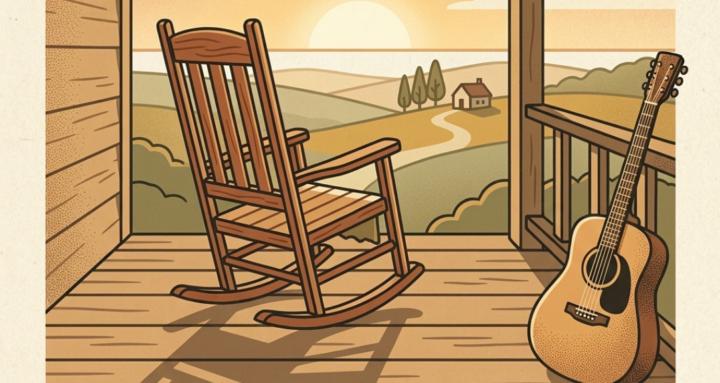
Can I get you anything? Coffee? Tea? A snack? A story? A joke? Have a seat — any place is fine. Take a breath. Let the day ease up a little. I keep this porch for steady light, honest stories, and a bit of rest for whoever needs it. I’m not here to fix anything or anybody. I’m here to sit with you, to listen, to laugh when it sneaks up on us, and to let hope rise slow and warm between us. I tend to move at the speed of real life. Some days that’s quick, most days it’s not. However you arrived — tired, curious, carrying something old or something new — I’m glad you’re here. When you’re ready, and there’s no hurry, tell me what brought you to the porch today.
Mar 11 •
Categorically speaking...
I have created four categories for sharing. Feel free to share all musings with whomever you choose. I would love to hear what you have to say as well. Tea‑Sippin’ Observations Small, quiet moments noticed in passing—lighthearted musings, sideways humor, and the kind of thoughts that show up when the world slows down. Open Door Stories Tales that wander in unannounced—true, tender, surprising, and told with the ease of someone who leaves the door cracked for company. Porchlight Ponderings Reflections that rise in the hush of evening—thoughts with depth, questions with weight, and the calm that comes from sitting still awhile. Stories from the Rocking Chair Longer, lived‑in narratives—family threads, old memories, and the kind of storytelling that rocks back and forth between past and present.
1
0
1-4 of 4
powered by
skool.com/the-view-from-my-front-porch-4094
A quiet porch for honest stories, steady light, and good company. Pull up a chair and settle in as you are.
Suggested communities
Powered by