
Write something

18d •
Cashflow Quadrant
For anyone looking for another great book recommendation, I would check out the Rich Dad’s Cashflow Quadrant. If anyone has ever read “Rich Dad, Poor Dad” then you already know that Robert Kiyosaki is experienced and knowledgeable when it comes to the world of business & entrepreneurship. And this book doesn’t let you down, especially if you’re looking for personal reflection and growth as well. Not only does Robert Kiyosaki teach you about how money works, he explains the need to understand how to read money in contracts, understanding assets vs liabilities, and investing properly. He also focuses on the why. Why a transaction may fail due to your own thinking or “brainwashing” that may have been engrained over your lifetime. There are generational understandings about money that are outdated because of the changes and advances we have gone through. These are broken down as well. The best part about the book is how he outlines anyone’s ability to relearn and improve on a skill set that is duplicatable. Not necessarily easy but possible for anyone willing to go through the growing pains and the failure along the way to success. It is a journey that I have personally chosen and the education (a lot of which has been through books and podcasts) and support I have received from my company has helped me grow immensely! I encourage and even challenge anyone that wants to improve their own status to pick up this book and then immediately apply the knowledge. Happy reading!
0
0

Jul 30 •
Welcome!
I’d like to give a warm welcome to our newest members @Tiara Manuel and @Jansen Ford. If you are able, please share one thing you are grateful for, and something you are hoping to gain from this community.
0
0
Apr 23 •
🕊️ A Legacy Beyond Words: Why I’m Sharing This Today
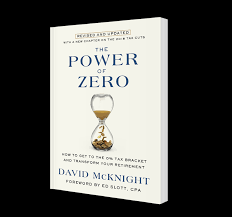
Today is World Book Day, a global celebration of the stories that shape our world. But for me, the most important "story" isn't a work of fiction—it’s the roadmap that changed the trajectory of my family’s future. 🚗 My Journey: Learning the Hard Way I wasn't always on this path. Like many, I started my journey as a young adult falling into the common traps. The Credit Card Phase: I spent money I didn't have, living with the constant weight and anxiety of high-interest debt. The Realization: I eventually decided I didn't want to live that way. I worked my tail off to climb out of that hole and started to save. The Saving Phase: I thought I was doing everything right, but I was saving in the wrong places. I didn't realize that how your money grows and where it sits is just as vital as the amount you put away. ↪️ The Turning Point Everything changed when I finally sat down as a client and learned how to make money work for me instead of working so hard for it. Reading "The Power of Zero" by David McKnight was a massive part of that awakening. It provided the education I needed to stop worrying about market losses and the "tax time bomb" that waits for so many in retirement. It gave me knowledge, and that knowledge replaced my fear. 🎫 My Mission I am re-reading this book today because it represents the legacy I am building. For my daughter: So she learns these lessons now and never has to make the same expensive mistakes I made. For you: I am on a mission to help as many families as possible find the same peace, clarity, and protection my family found. 📖 This World Book Day, Invest in Your Story Middle American families deserve to move from financial anxiety to a true roadmap for success. You don't have to learn the "hard way" like I did. Let’s stop the grind and start building a legacy that lasts. #WorldBookDay #ThePowerOfZero #VLIFE #VantageFinancialAlliance #FinancialPlanning #ProtectYourFamily #DebtFreeJourney #LegacyBuilding #MoneyMindset
Apr 17 •
Day 7: The Invitation
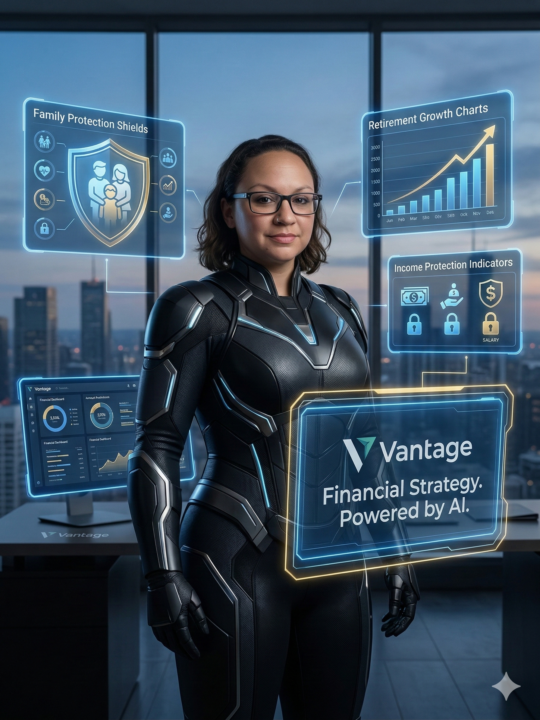
Seven days ago I committed to showing up here every day. Here’s what I learned: 1. Consistency is the engine of production. It’s easy to be great for one day; it’s much harder to be disciplined for seven. I’ve realized that showing up consistently doesn't just build an audience, it builds the momentum that drives real results. 2. People respond to the story behind the curtain. You don’t want another generic, business-centric post about finances. You want to see the gears turning. The messages I received this week proved that people are hungry for the "How," the reality of the work, and the tangible ways they can benefit from it. 3. This mission is bigger than a status update. Even without consistent posting, my business will excel—but it’s about more than that. It’s about sharing my passion for helping families not just survive, but thrive. I love that every time I sit down with a family, the integrity and care I provide through Vantage elevates them, empowering them with the knowledge to improve their quality of life. This wasn’t a marketing exercise. It was a disciplined one. Showing up, sharing the real work, letting people see what this actually looks like from the inside . If anything I posted this week made you curious, whether about AI in financial services, about what we’re building at Vantage, or about whether this path might be for you, I’m an open book. The door is open. You just have to walk through it. Day 7 of 7. But I’m not stopping. #VLIFE #VantageFinancialAlliance #FinancialServices #Opportunity #WorkSmarter #Consistency #Scale #FinancialEmpowerment
Apr 16 •
Day 6: Behind the Scenes
One number: 25. “25% of working adults will experience a disability lasting 3+ months. That’s 1 in 4! Most have zero plan for it.” Here’s why that number matters: If you’re sitting in a room with three colleagues, the odds say one of you will face a serious income gap before retirement. Most of us spend our lives protecting our "stuff" —the car, the house, the phone. But we forget to protect the engine that pays for it all: our ability to earn a paycheck. And here’s what I’m doing about it: I’m doing the homework, so my clients don’t have to. I spend my time analyzing the data and vetting the best tech-driven solutions to strip away the friction. No more 20-page applications or waiting weeks for an answer. By the time I bring a solution to you, it's already been streamlined to protect your greatest asset in less time than it takes to scroll through your morning news feed. This industry doesn’t have an awareness problem. It has an action problem. I’m making the action the easiest part of your day because I’ve already done the heavy lifting behind the scenes. Day 6 of 7. #VLIFE #VantageFinancialAlliance #ByTheNumbers #FinancialLiteracy #IncomeProtection #WorkSmarter
2
0

1-30 of 40
powered by

skool.com/the-prosperity-project-9756
Built to empower you to not only take charge of your personal finances, but to grow a community focused on lifestyle, family, faith, & future.
Suggested communities
Powered by