
May 28 (edited) • General discussion
"Value Added vs. Non-Value Added activities
In Lean management, "Waste" is anything that takes up time and energy without producing a value added result. Originally developed by Taiichi Ohno at Toyota, this system identifies 8 Wastes that should be removed or reduced to find true efficiency.
We can categorize every action you take into two groups:
1. Value-Added activities
These are actions that serve your goals and values. They are done "right the first time." In a competitive market, the "customer" (your healthy self, your Peace Of Mind) only wants to pay the lowest price in time, energy and effort. If a task takes you an hour because of rituals, but should only take five minutes, you are “overpaying" with your time.
For example, If I “turn off my stove” when cooking is complete, I am doing a (Value Added) activity. If I leave the room and come back again, just to check and make sure, because I don't “trust” the first |data point", or the first time I did it, and that I did it “right” the first time, it would be a complete waste in time and energy. Now if I keep doing that ten times, I am suffering.
The goal is to reach a state of Peace Of Mind (POM) at the least amount of time.
2. Non-Value Added activities (The Wastes)
What are some of your Value Added activites that bring you comfort, pleasure, and peace of mind?
What do you assume are your "Neccassary but Non Value Activities", and what are your "Non Value Activities"?
For example'; "Transportation", is an activity we can usually define as Non Value Added, but neccassary to get from point A to B. The question then becomes.. well, can we shorten the trip?
0
0 comments
"Value Added vs. Non-Value Added activities
powered by
skool.com/the-lean-ocd-factory-method-8586
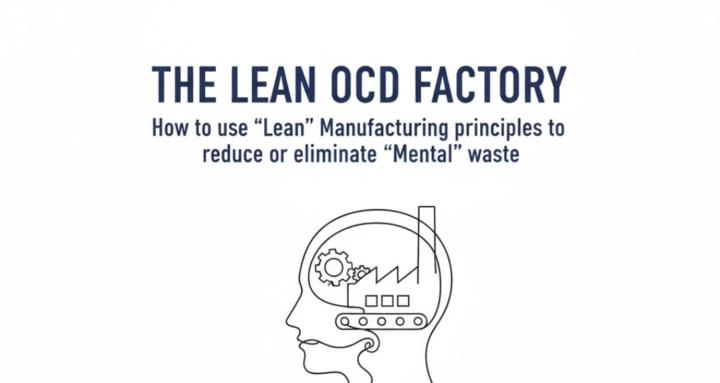
A community for improving and managing OCD (Obsessive Compulsive Disrorder), from an efficiency point of view.
Suggested communities
Powered by