The Healthy Coop Collective
Private
61 members
$20/month

🐔 Your flock is sick. You need a real answer, not a Google rabbit hole.
Dr. Nisana Miller, DVM | Licensed poultry vet | 200+ backyard flock telehealth cases
Most poultry keepers spend $300+ at a vet who has never treated a chicken, or they guess until it’s too late. The Healthy Coop Collective gives you veterinary-level answers from a vet who treats poultry every single week.
Even if you don’t have a poultry vet within 100 miles. You deserve answers 😊
“Nisana’s community is a must-have resource for chicken owners. When my 13-month-old cochin Wendy passed suddenly, Nisana helped me determine the cause of death and offered genuine emotional support. I’m so grateful for her” — Kim Linman, Active Member
What’s inside:
📋 Weekly posts from backyard telehealth cases
💡 Vet guidance on disease, nutrition, and wellness
For less than a dollar a day. Cancel anytime.
👉 Start your 7-day free trial, because healthy coops don’t happen by accident 😉
powered by

skool.com/the-healthy-coop-collective-7523
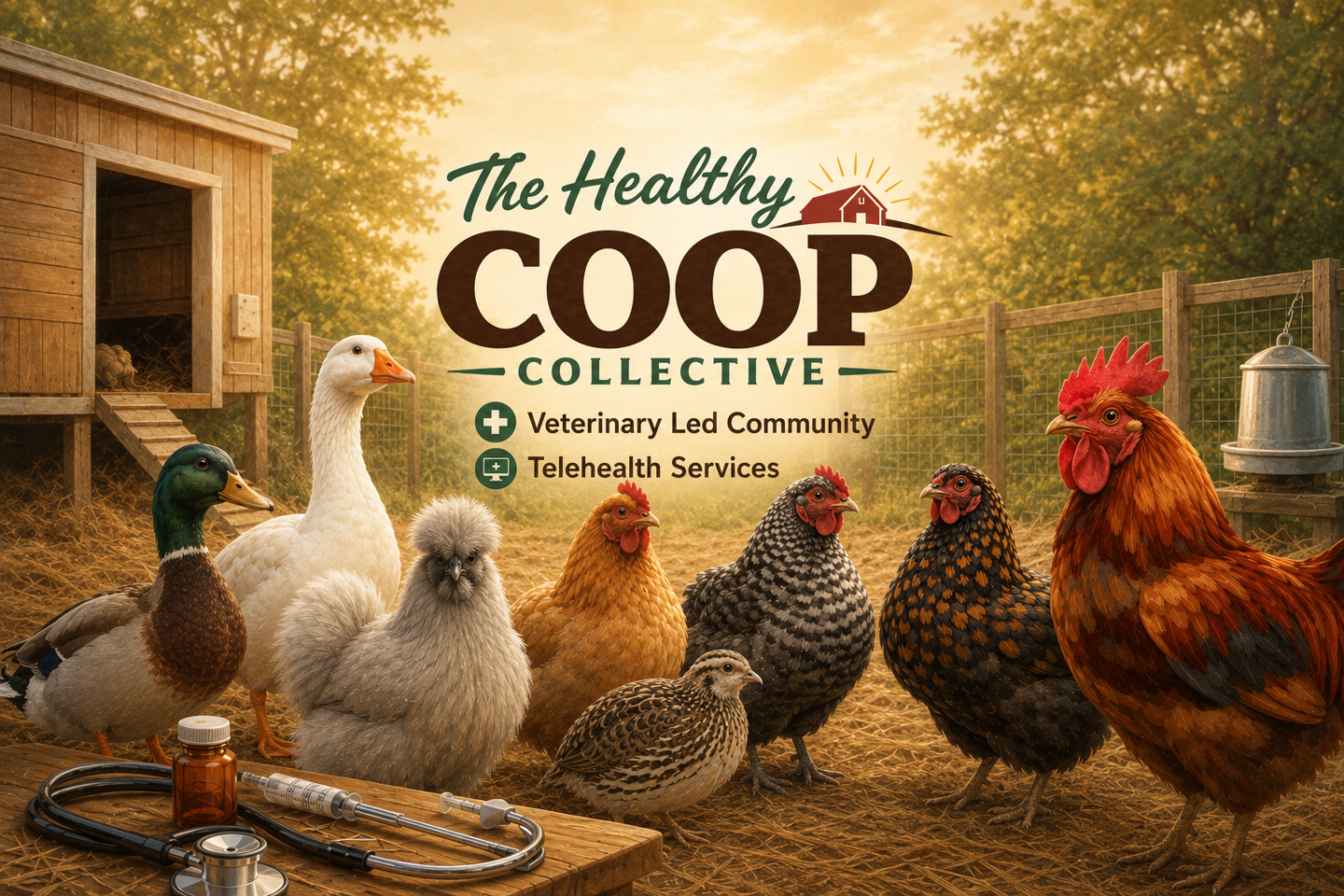
Vet-led community for backyard poultry keepers. Dr. Nisana, DVM, provides expert guidance on flock health, disease prevention, nutrition, & wellness.