
Write something

Mar 13 •
SORO SOKE
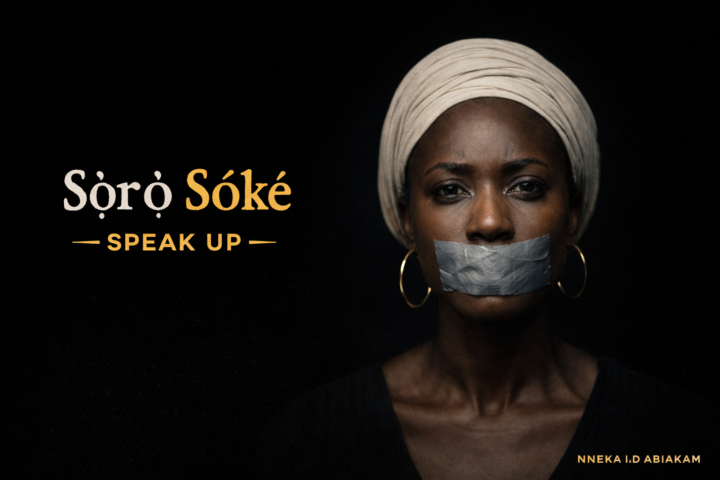
Sọrọ Sókè Speak Up. Raise Your Voice. Be Heard. There is a phrase in Yoruba that has been living rent-free in my chest for years. Sọrọ Sókè. Speak loudly. Raise your voice. Don't swallow it. It became the rallying cry of the End SARS protests ,young Nigerians standing in the streets, refusing to be quiet about a system that had spent decades brutalising them. But what struck me most wasn't just the politics of it. It was how personal that phrase felt. How many of us have needed someone to look us in the eye and say: your silence is not dignity. Your silence is not peace. Your silence is feeding the very thing that is consuming you. I want to talk about financial abuse. And I want to talk about why so many women stay silent about it — and what that silence is costing us. The Lies We Were Taught About Silence We were raised on a diet of silence. Not the peaceful kind , the kind that sits in your stomach like a stone. "Don't air your dirty laundry in public." "Leave it for God." "A real woman is patient." "You'll embarrass the family." "Be the bigger person." These phrases were handed to us by the very people who were supposed to protect us — mothers, aunties, grandmothers who themselves had swallowed too much. They didn't teach us silence because they were evil. They taught us silence because they were afraid. Afraid of what speaking would cost them. And so the pattern repeated. Generation to generation, woman to woman, the inheritance of keeping quiet. But here is the truth they didn't tell us: silence is not neutral. Silence is a choice with consequences. And in the hands of an abuser, your silence is one of their most powerful tools. What Financial Abuse Actually Looks Like Financial abuse doesn't always look like a man refusing to feed his family. Sometimes it is subtle. Sometimes it is so woven into normal life that you don't even have a name for it until years later. It looks like a husband who controls every naira that enters the house, giving his wife an "allowance" like she is a child ,even when she is educated, capable, and contributes to the home in ways that money cannot measure.
0
0
Mar 10 •
SOMEONE PLS CALL 911
For years she ran a very tight emotional security system. After everything she had seen, everything she had survived, she turned emotional discipline into an art form. No impulsive attachments. No reckless vulnerability. No unauthorized feelings entering the premises. No falling head first into situations that could later require emotional CPR. If someone came too close, she stepped back. If someone tried to rush intimacy, she slowed the pace. Every man who approached the gate was thoroughly inspected, questioned, and politely turned away. Some tried persistence. Some tried charm. Some tried poetry. None were granted entry. It worked beautifully. Peaceful life. Stable emotions. No unnecessary heartbreak. Then one day a man walked in through the front door like he had clearance. No alarms went off. At first she assumed it was nothing. Just conversation. Just laughter. Just two adults exchanging perfectly harmless human interaction. But then the system started malfunctioning. She caught herself smiling at her phone. Replaying conversations in her head. Now this… this is where the problem begins. Because this was never part of the plan. This is highly irregular behavior. She immediately conducted a full internal investigation and discovered something deeply disturbing. Her emotional security had been breached. Ladies and gentlemen, we are now dealing with a potential situation. A woman who has spent years guarding her feelings… may be on the verge of catching them. Someone please call 911.
0
0
Mar 7 •
The Mona Lisa and Me
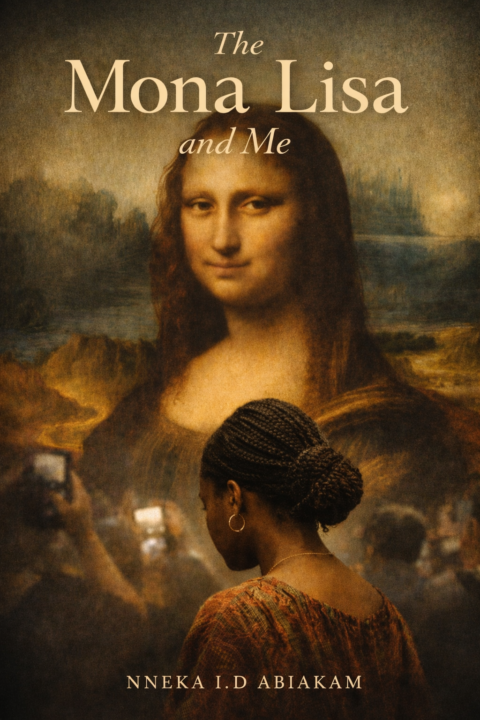
The Mona Lisa and Me I have visited Paris several times over the years, and for the longest time I carried a small, almost ridiculous confession: I had never seen the Mona Lisa. It was not for lack of opportunity. Each visit placed me within reach of the Louvre Museum, that enormous cathedral of art where she has sat quietly for centuries. But there were always stories. The long wait. The crowds. The chaotic sea of raised phones. People warned that the experience was anticlimactic. The painting was smaller than expected. Hidden behind glass. Surrounded by noise. And then there were the stranger accounts. Some said the painting spoke to them. Others said they felt something shift inside them the moment they stood before her. People described tears, applause, even fainting. It sounded less like viewing a painting and more like approaching a shrine. So for years I postponed the encounter, half curious, half skeptical. Until one day curiosity won and I followed a friend into the museum. The walk through the Louvre feels almost ceremonial. Room after room, masterpiece after masterpiece, until eventually the crowd begins to thicken, as if pulled by gravity toward one small frame that has somehow captured the world’s imagination. And there she was. Not overwhelming. Not dramatic. Just a woman sitting quietly, painted more than five hundred years ago by Leonardo da Vinci. What struck me most was not her famous smile. It was the restraint. In a world that constantly demands explanation, declaration, confession, she offers none of it. She does not perform emotion for the viewer. She does not reveal herself. She simply looks back. And the world has spent centuries trying to finish the sentence she never started. Standing there, I realized something unexpected. She felt familiar. She reminded me of a certain kind of woman. The woman who has seen too much of life to waste words explaining it.
0
0
Feb 27 •
Borrowed Shorthand
There is a violence in being simplified. In watching your life reduced to a cautionary tale. In hearing your motherhood translated into statistics and sympathy. They call you “strong” when they mean abandoned. They call you “resilient” when they mean unsupported. They borrow words like failure, broken, struggle and place them gently at your feet as if they belong to you. They narrate your life in headlines: Single mother. Broken Home Absentee father. As if those three words explain the fullness of your love, your discipline, your exhaustion, your becoming. They rewrite your story in shorthand and call it understanding.
0
0
Feb 24 •
Dear Modern Men.
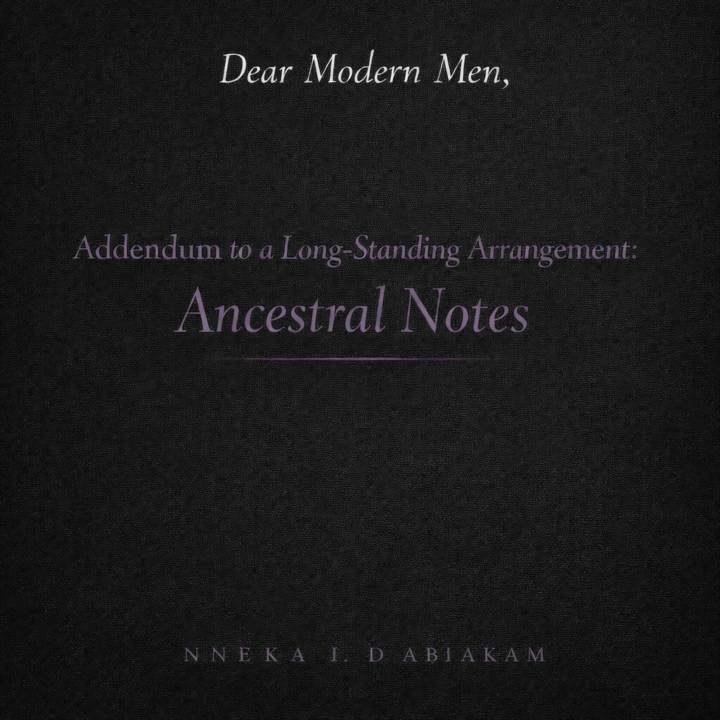
Dear Modern Men, What exactly are you doing? We handed you a perfectly functioning system. It took centuries to construct. Carefully layered. Biblically justified. Culturally enforced. We positioned you as leaders, providers, protectors. We convinced women it was divine order. All you had to do was maintain it. Not dismantle it. Do you understand what you’ve done? Patriarchy was never supposed to be obvious. It works best when it feels natural. When women believe submission is love. When sacrifice feels sacred. When endurance feels virtuous. Instead, you made it unbearable. You exposed the laziness behind the authority. You demanded obedience without offering security. You wanted reverence without responsibility. In our time, we controlled, yes. But we maintained the illusion of stability. And more importantly, we sold them romance. We packaged dependency as devotion. We marketed sacrifice as love. We convinced them that loving you deeply was their highest calling. And they believed it. They could love you to their own erasure. To their own exhaustion. To their own death. That was the brilliance of it. Romantic love was the softest weapon we ever used. And you shattered even that. You traumatized them so thoroughly inside marriage, inside motherhood, inside partnership that many no longer romanticize it. Now look at them. Most are operating in what they call their masculine energy. Hyper independent. Hyper aware. In therapy. In meditation. Working harder. Planning better. Protecting themselves. Do you understand what happens when a woman in survival mode becomes disciplined? She builds. Do you understand what happens when she builds? She earns. And when she earns, she no longer needs permission. We depended on controlled scarcity. We depended on economic reliance. We depended on weaponized poverty. What becomes of us when poverty can no longer be weaponized? What becomes of us when women educate themselves and then educate other women? What becomes of us when control over women’s bodies is no longer guaranteed?
0
0
1-30 of 35
powered by
skool.com/the-check-inpod-9072
This is a support group for women ready to begin again.
Whether you’re healing or rediscovering yourself,
You’re welcome!
Suggested communities
Powered by