
Write something

Jun 5 •
Inspirational video from Marc Leiber
Most of you have probably seen it - for those who haven't, check it out: https://www.youtube.com/watch?v=kBHjqEgaYa4

May 21 •
Olive Grove in a Wasteland
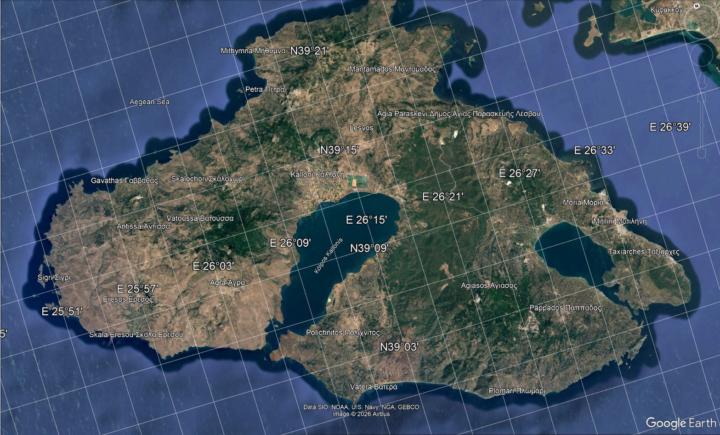
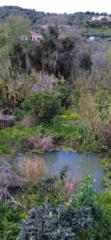
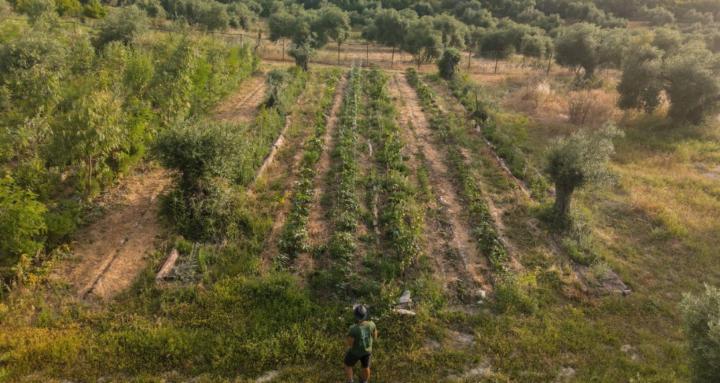
Greek American starting to learn about agroforestry -> Syntropic agroforestry and thinking about the island of lesvos where I am from and potentially starting a project. Our island is kind of weird and has a lush eastern side and an arid (almost lunar) western side. I am not sure why this is but I have heard that the west side gets less rain and the soil is acidic and vulcanic and probably over grazed. I do remember however passing an olive grove in this wasteland and now wondering how this was achived in such harsh conditions. Did the farmer here just dig a well, irrigate like crazy and fertalize? The only thing that grows out here is this spiny bush locally called sea urchin's foot αχινοπόδι aka "Genista acanthoclada". Land out here is pretty cheap so was thinking about buying some and perhaps doing an infestation.
Apr 15 •
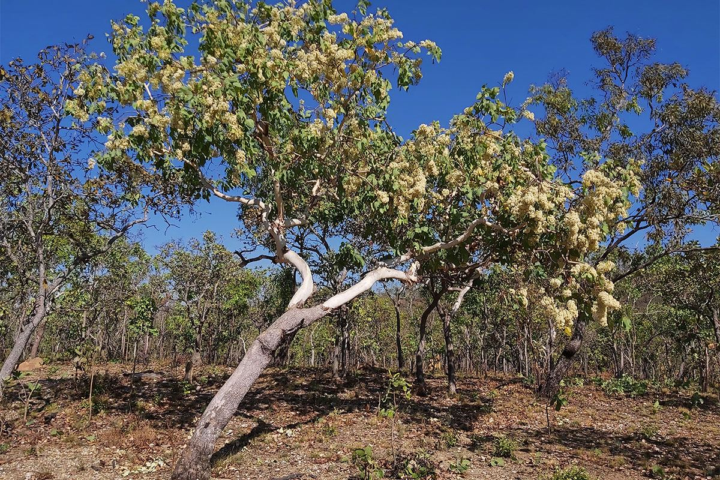
Making a case against the use of Eucalyptus in syntropic systems in the Mediterranean climate (and other climates with long drought periods)
I know that this is an unpopular statement but personally, I prefer basing my decisions and teaching on scientific evidence rather than on "opinions" and anecdotal "findings". Eucalyptus species are increasingly difficult to justify within syntropic farming systems operating under Mediterranean or seasonally dry climates (tropical and temperate climates are really another story), primarily due to their disproportionately high transpiration rates and their capacity to function as facultative phreatophytes. Empirical work published in Tree Physiology demonstrates that eucalyptus stands can maintain significant transpiration by accessing groundwater when it is available at relatively shallow depths (<9 m), effectively coupling canopy water demand directly to aquifer reserves . This behavior becomes particularly problematic in dry periods: rather than downregulating water use in synchrony with ecosystem scarcity—as is desirable in syntropic systems—eucalyptus can continue transpiring at elevated rates by mining groundwater, thereby decoupling plant water use from rainfall inputs. In Mediterranean trials, annual transpiration values on the order of 520–910 mm have been documented, even under constrained irrigation regimes . This level of water flux represents a substantial hydrological drawdown, especially when compared to mixed, stratified agroforestry systems designed to retain moisture and recycle atmospheric humidity locally.From an ecohydrological and successional perspective, this groundwater-dependent strategy directly conflicts with the core principles of syntropic agriculture. Syntropic systems aim to enhance infiltration, build soil organic matter, and stabilize the small water cycle; however, deep-rooted, high-demand species like eucalyptus can act as vertical drains, exporting water from soil profiles and lowering local water tables over time. The literature on eucalyptus plantations using shallow groundwater shows that these species readily exploit subsurface reserves even when saline or marginal , reinforcing their classification as aggressive water extractors rather than cooperative system participants. In practice, this can suppress understory development, reduce microbial and fungal activity in upper soil horizons, and exacerbate drought stress for co-planted species—precisely the opposite of the facilitative interactions sought in syntropic design. Consequently, while eucalyptus may offer rapid biomass accumulation, its hydrological footprint and competitive rooting ecology make it fundamentally misaligned with resilient, water-conserving agroecosystems.

Apr 13 •
Growth Pulse & Lessons from Super Dense SAF
2 and a half years ago, I planted this very dense 400 sq/m SAF - design made by a consultant. I wanted to show you what a real growth pulse looks like just 2 weeks after management. That’s the effect of gibberellins and root exudates being released throughout the system. In a Mediterranean climate - growth is much slower than in the subtropics/tropics. The response is especially visible. Such a great feeling to witness this !
Jan 21 •
Powerhouse Plants for the Mediterranean Climate
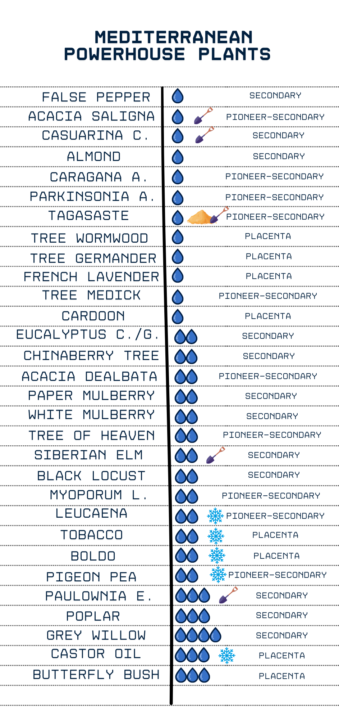
Electing your plant species for your syntropic system is a very difficult process for many. It's this typical overwhelming process where you don't know which plants to choose, that's why I aimed at making it much easier for you; condensing it down to 30 plants that grow very fast. Bear with me, it doesn't include later succession species, but don't worry, it's much more important to elect the right species entering into the secondary phase of a forest rather than thinking too much about which species will come later, as you can plant these later anyway. Most important advice here, don't overthink it, use whatever species grows fastest in your context to establish your system ASAP. I've separated the low water needs plants from the moderate water needs from the high water needs plants - symbolized by the water droplets. To be clear this is about water requirements at establishment, many plants in the moderate water needs will become tough as nails over time but if not watered enough at establishment, they will die. As well, the pile of sand (only tagasaste) symbolizes the need of the plant to be in loose or sandy soil. The shovel means these plants require good decompaction to get a good headstart - meaning breaking down the hardpan in a clay compacted soil - ex: using a subsoiler. Also, the snowflake means that these plants are frost sensitive, typically when temperatures go lower than 2 degrees they can exhibit damage. these plants are truly meant for a mild Mediterranean climate - especially mild winters. Lastly, the successional role of these plants is added at the end : - Placenta : Short-lived - Usually about 5 years maximum within a Mediterranean syntropic system. They can reach maturity within 6 months to a year and provide the fastest growth at establishment of your system. - Pioneer - Secondary : Plants that consolidate the transition from scrubland to forest. They are fast-growing too - but not as much as the placenta plants, usually reaching maturity around year 2 or 3. They create these conditions for the secondary forest to take place by providing high amounts of biomass and shade for the secondary seedlings below.
1-6 of 6
powered by
skool.com/syntropic-agroforestry-w-milan-3000
Mediterranean Syntropic Agroforestry made practical.
Efficient design, minimal water, low inputs — maximum impact.
Suggested communities
Powered by