
Write something

🔥
May 24 •
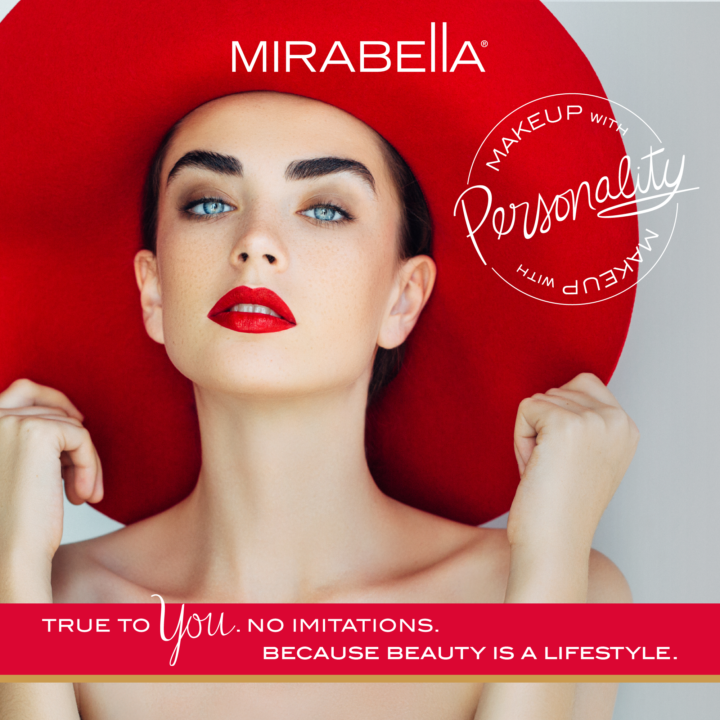
MIRABELLA COSMETICS MEMORIAL DAY SALE
https://www.mirabellabeauty.com?sca_ref=10620306.gQC3etPppd Shipping is available to Hawaii, Alaska, the continental United States, Canada and Mexico.
3
0
🔥
May 19 •
Stop Buying Counterfeits. Start Buying Clinician Grade
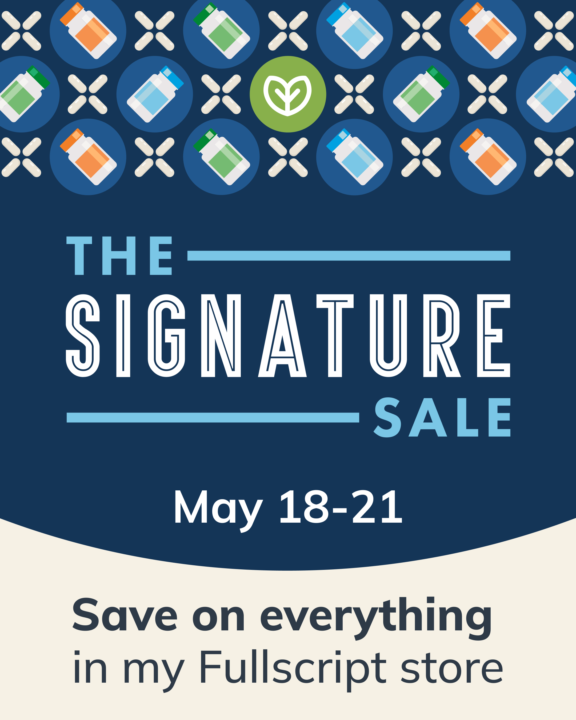
The Fullscript Sale is officially live. 15% off everything until May 21st, plus an extra 5% off your first order. If you’ve been waiting to restock, this is the moment. These practitioner‑grade supplements are not the same as the ones found on Amazon or other retail sites. Fullscript partners only with manufacturers who meet cGMP standards, third‑party purity testing, identity verification, and potency validation. No counterfeits, no mystery fillers, no watered‑down formulas, just clinically trusted products built for real physiological outcomes. Use this window to refill your essentials, upgrade your protocol, or finally try the formulas you’ve been eyeing. Your physiology will feel the difference, and your wallet will too. The last day of the sale is May 21, 2026. SHIPS ONLY IN THE U.S. https://us.fullscript.com/welcome/pwood1757009830
🔥
Apr 9 •
REMINDER: MY ONLINE STORE
Your Wellness. Your Way. From My Heart to Your Home Why shop with me? Because I don’t just sell vitamins, supplements, personal care, pet health products, cosmetics, I offer them with love, purpose, and a lot of Simcha (Joy) Brain-boosting blends for focus and clarity. Personal care that honors your skin, body, and soul. Pet health products that treat your furry ones like family. Health foods and drinks that fuel your joy, not just your day. Cosmetics that are natural and 100% cruelty-free. Natural cleaning products. Over 130 essential oils. And more.... And yes, I can create a personalized plan rooted in functional, nutritional and holistic medicine for any health condition. 15% off of everything and another 5% off your first order. For all your health needs. Only ships in the U.S. Sorry! https://us.fullscript.com/welcome/pwood1757009830
🔥
Mar 29 •
COLLAGEN
When Men & Women Start Losing Collagen Women begin losing collagen around age 25. From there: - Collagen declines 1% per year - After menopause, the drop accelerates dramatically, up to 30% lost in the first 5 years, then 2% per year after Why it matters: This is why women often notice changes in skin elasticity, joint resilience, and recovery in their late 20s and early 30s, long before “aging” is supposed to start. Men also start losing collagen around age 25, but the rate is slower. - Decline is typically 1% per year - Men don’t experience the sharp hormonal cliff that accelerates collagen loss the way women do Why it matters: Men tend to maintain skin thickness and connective tissue integrity longer, but still experience steady decline, especially with stress, sun exposure, smoking, and poor nutrition. Why the Decline Happens Collagen production depends on: - Hormones (estrogen is a major driver) - Vitamin C availability - Mitochondrial energy - Amino acid supply - Oxidative stress load As these shift with age, lifestyle, and environment, collagen synthesis slows. Collagen loss starts way earlier than people think. It’s not a “40s problem.” It’s a mid‑20s physiology shift that compounds over decades. The Real Benefits of Collagen (Minus the marketing myths) 1. Structural Support for Skin, Joints, and Connective Tissue Collagen is the primary protein that gives your tissues strength and flexibility. It helps maintain: - Skin firmness and elasticity - Joint cushioning - Tendon and ligament integrity - Healthy hair and nails Why it matters: As natural collagen production declines with age, tissues become less resilient. Supplementation can support the raw materials your body uses for repair. 2. Improved Skin Hydration and Fine Lines Hydrolyzed collagen peptides have been shown to: - Increase skin moisture - Improve elasticity - Reduce the appearance of fine lines Mechanism: Collagen peptides act as “signals” that stimulate fibroblasts to produce more collagen, elastin, and hyaluronic acid.
🔥
Feb 11 •
MIRABELLA COSMETICS
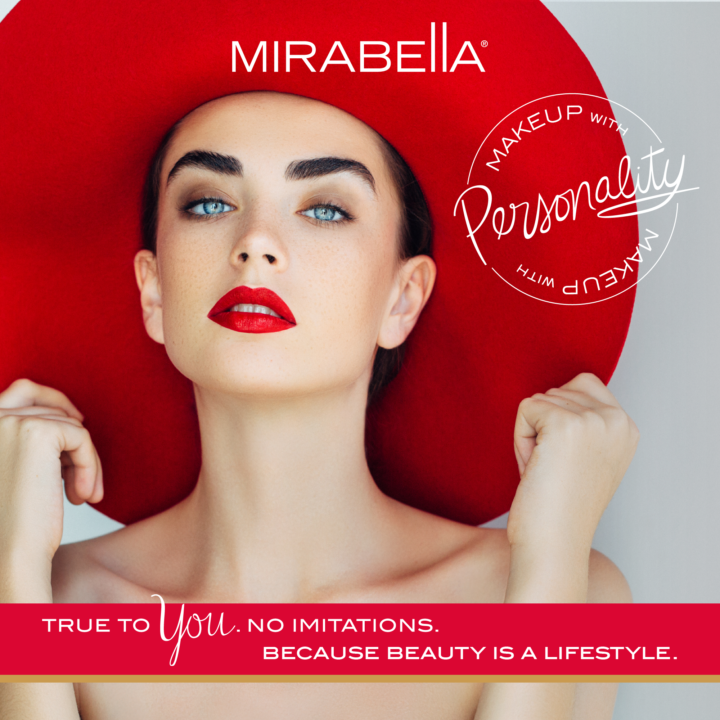
I have now partnered with Mirabella Cosmetics. You now have access to the full line of natural, 100% cruelty-free Mirabella products. Ships to the U.S. and Canada. If anyone wants to make this available to your members, let me know. Our faces should be healthy too. https://www.mirabellabeauty.com?sca_ref=10620306.gQC3etPppd
1-12 of 12
skool.com/simcha-healthcare-3222
Helping people optimize health, energy, mindset, and wellness by addressing root causes through Functional, Nutritional and Holistic Medicine.
Leaderboard (30-day)
1

🔥
+59
2

+29
3

🔥
+19
4

+10
5

+7
Powered by