

11d •
Local Businesses and AI Search: A Hidden Opportunity
Local service businesses have a unique advantage in AI search that many aren't leveraging yet. When someone asks ChatGPT or Perplexity for local recommendations, the AI needs structured, trustworthy data about businesses in specific geographic areas. The SPARK Framework™ addresses this through enhanced entity building and local knowledge integration. By optimizing your Google Business Profile, building consistent citations, and creating location-specific content that AI can parse, you position yourself as the go-to authority in your market. The businesses that master this now will own their local markets in the AI era, as these systems increasingly become the first stop for local discovery. Question for the community: Have you noticed any changes in how local search queries are being answered by AI platforms? What patterns are you seeing?.
0
0

Dec '25 •
The Signal-Fit Revolution: Why Your Local SEO Strategy Needs a Hyper-Localized Upgrade
For multi-location brands, the Google Local Pack represents one of the most critical battlegrounds for customer acquisition. However, the long-held belief that visibility can be achieved through a standardized, checklist-based approach to local SEO is rapidly becoming obsolete. Google's ranking system is not a monolith; it is a dynamic, context-aware engine that rewards businesses based on a principle we call signal-fit. This is the degree to which a business listing aligns with the specific, nuanced expectations of local users within a particular industry. As marketing leaders, it is imperative that we move our organizations beyond generic playbooks and embrace a hyper-localized strategy that treats each location as a unique market. Recent analysis from Yext, covering 8.7 million Google Business Profiles across five major U.S. industries, confirms that brand size and advertising spend are not the primary drivers of Local Pack visibility. Instead, what truly moves the needle is the alignment of a business's digital signals with the specific intent of local consumers. Factors such as review cadence, photo quality, and profile completeness all play a role, but their importance is weighted differently across industries and even geographical regions. This data underscores a fundamental truth: Google plays favorites, but its preferences are rooted in a listing's ability to precisely match local context and a user's immediate needs. Decoding Signal-Fit: Industry-Specific Optimization Strategies The concept of signal-fit is best understood by examining its expression across different industries. A one-size-fits-all approach to Google Business Profile (GBP) optimization will inevitably lead to missed opportunities and wasted resources. For multi-location brands, this means that operational simplicity cannot come at the cost of local relevance. In the hospitality sector, functional information carries significantly more weight than aesthetics. Business hours, detailed descriptions, and complete profiles matter most to travelers, who value reliability over polish. Photo volume beyond a reasonable threshold adds little advantage, as guests care less about another angle of the pool and more about whether there is parking when they arrive at midnight.
0
0

Dec '25 •
Local Businesses and AI Search: A Hidden Opportunity
Local service businesses have a unique advantage in AI search that many aren't leveraging yet. When someone asks ChatGPT or Perplexity for local recommendations, the AI needs structured, trustworthy data about businesses in specific geographic areas. The SPARK Framework™ addresses this through enhanced entity building and local knowledge integration. By optimizing your Google Business Profile, building consistent citations, and creating location-specific content that AI can parse, you position yourself as the go-to authority in your market. The businesses that master this now will own their local markets in the AI era, as these systems increasingly become the first stop for local discovery. Question for the community: Have you noticed any changes in how local search queries are being answered by AI platforms? What patterns are you seeing?
0
0

Nov '25 •
Seven Strategic Benefits of Keyword-Rich Google Reviews
The relationship between keywords in customer reviews and local search rankings remains actively debated within the SEO community. While direct ranking impact continues to be studied, keyword-rich reviews deliver measurable value for local visibility beyond pure ranking effects. Understanding these benefits enables businesses to develop more effective review solicitation strategies that improve overall local search performance. Review Justifications and Visibility When customer reviews consistently mention keywords related to your business, the probability increases that your Google Business Profile will receive a Review Justification in search results. These justifications appear as highlighted snippets beneath your listing, drawing user attention to specific aspects of your business that match their search intent. This visibility enhancement can boost click-through rates significantly. Higher engagement from improved click-through performance may subsequently contribute to ranking improvements through behavioral signals, creating a secondary benefit beyond the immediate visibility gain. Place Topics for Specialty Highlighting Google automatically generates clickable Place Topics from keywords appearing frequently in customer reviews. These topics serve multiple functions that enhance profile performance. Place Topics highlight your specialties directly on your Business Profile, making it immediately clear what aspects of your service customers value most. They enable customers to filter reviews by specific topics, helping them find relevant feedback quickly. This filtering capability can increase profile engagement as users spend more time exploring reviews that address their specific interests. The presence of well-developed Place Topics signals to potential customers that your business has established expertise in particular areas, potentially influencing their decision to choose your business over competitors. Review Snippets and Search Term Matching Google bolds frequently mentioned terms within the three review snippets displayed prominently on Business Profiles. This formatting draws the attention of users searching for those specific terms, creating visual alignment between their search intent and your customer feedback.
0
0
Oct '25 •
Google Tests QR Code Feature in Business Profile Management
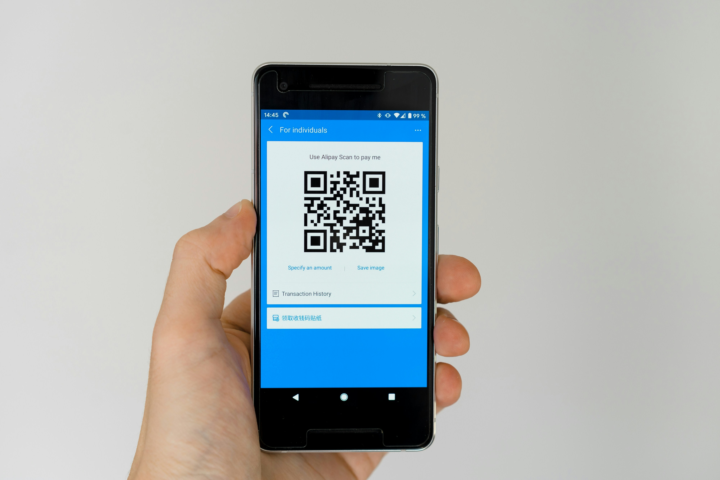
Google is testing a new "Get Google QR" code button within the Google Business Profile management interface. This feature appears alongside existing management options such as Edit Profile, reviews, photos, posts, and performance analytics when business owners search for their own listings. While Google has previously promoted QR code functionality for review collection in various locations throughout the Business Profile ecosystem, this placement represents a new integration point. The button's appearance in the primary management toolbar suggests Google is evaluating whether more prominent positioning increases adoption and usage among business owners. QR Codes in the Local Search Ecosystem QR codes have become increasingly relevant for local businesses as they bridge offline and online customer interactions. A customer scanning a QR code at a physical location can be directed to leave a review, view menu items, access special offers, or engage with other digital touchpoints that strengthen the business's online presence. For local SEO practitioners, QR codes serve multiple strategic functions. They facilitate review generation, which remains a significant ranking factor in local search results. They provide trackable pathways for offline-to-online attribution, helping businesses understand which physical locations or marketing materials drive digital engagement. They reduce friction in the customer journey by eliminating the need for manual search or URL entry. Google's continued investment in QR code functionality indicates the company recognizes these codes as a persistent rather than temporary technology. Despite initial skepticism about QR code adoption in Western markets, usage patterns accelerated during recent years and have maintained relevance as consumers became more comfortable with the interaction model. Strategic Implications for Business Owners The placement of this feature within the primary management interface signals that Google views QR code generation as a core business profile function rather than an ancillary tool. This positioning matters because it influences how business owners perceive the feature's importance and whether they incorporate it into their local marketing workflows.
0
0
1-19 of 19

skool.com/seo-success-academy
Welcome to SEO Success Academy – the ultimate destination for business owners, digital marketers and agencies to master the art and science of SEO.
Leaderboard (30-day)
1

+1
2

+1
Powered by