
24d • Journal
Rope Skipping: the instant fix cue for bad technique
6/16/26 and 6/17/26—days 538 and 539 of my biomechaneering process
(Started: 12/26/24)
Picked up rope skipping on a rest day and immediately felt quad overload. Implemented a calf raise pattern cue—press through ball of foot, rapid rebound—and felt the shift within minutes. Now movement is more economical (zone 3 vs zone 4), with fewer micro-destabilizations and easier breathing throughout.
Observed Changes
- Calf raise pattern cue effective — quad overload resolved; calves engaged properly with “loaded stretch sensation” (muscle learning, not pain).
- Shadow jumping is easier — fewer micro-destabilizations, less force needed, better control.
- Core activation maintained, breathing easier — ~90% rib-flare avoidance; diaphragmatic breathing now smoother without strain.
- Actual rope jumping: couldn’t execute — arm-pull compensation and wrist positioning are still limiting. Probably the rope is too short.
- Movement economy improved — harder to spike HR; zone 3 instead of zone 4, indicating better efficiency.
- Dance/flow improved — easier to follow rhythm, more fluid, less conscious interference.
Current Hypotheses
- Calf raise pattern is directionally correct — quads no longer overloading; proper muscle engagement for movement.
- Lower jump height = arm-pull compensation required — a learned pattern from historically jumping higher. Technical limitation to address.
- More economical technique = better movement quality — zone 3 cardio suggests improved efficiency and skill, not just effort.
- Breathing nervous system regulation and core activation continue to improve.
CURRENT CONTEXT
Current strategy:
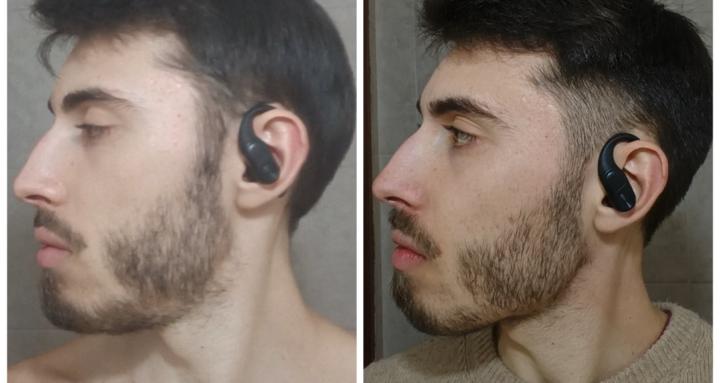
- Main biomechanical focus on maintaining three-dimensional diaphragmatic breathing, intra-abdominal pressure and general technique during training. Higher focus with fewer sets, avoiding upper airway collapse. RevivThree on during the whole session.
- Occasional 3D oral face-pulling and histo-release as extra accelerators.
- Wearing RevivThree during sleep and a few hours during the day.
Current focus:
Strength training, posture, breathing mechanics and nervous system regulation.
1
0 comments
Rope Skipping: the instant fix cue for bad technique
powered by
skool.com/santiago-figarolas-hub-9405
Health, function, and beauty optimisation with biomechanical self-engineering guides and advice.
With the help and support of a growing community.
Suggested communities
Powered by