
Pinned

🔥
1d •
⭕ From A Full Time Lecturer To Freedom In Digital Marketing.
I warned you . True stories of real people who discovered digital marketing and gave it a chance. Tonight we were joined by Cyprian who was a full time lecturer working long hours a day in the university. When he discovered digital marketing , now he works only 2 days a week and he has time freedom to do the things he love. Watch his story plus other wonderful testimonials revealed in the webinar tonight. Including how Pastor Nancy made her first sale despite falling sick and letting AI handle the business for her. I warn you again , this was the longest webinar I ever did. It is packed with golden nuggets. Click below to see it yourself. Kind Regards Sam Gicheha

Pinned
🔥
Aug '25 •
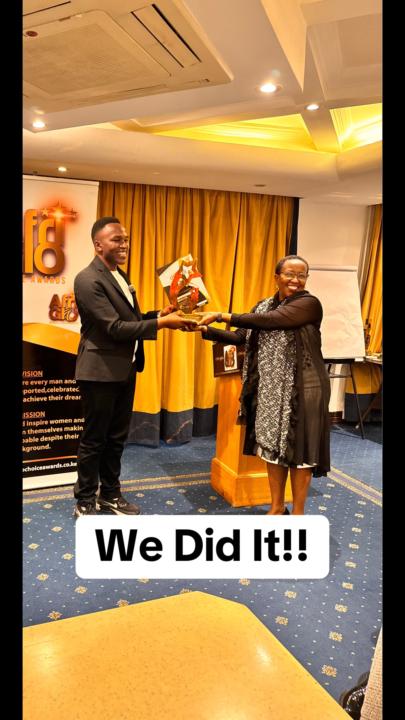
Digital Coach Of The Year Awarded To Sam Gicheha
🏆 Digital Coach of the Year Award is Finally HOME! A Win for Our Whole Community. Today I want to share something special with you. I received the Digital Coach of the Year award. This trophy is not just a nice title. It is a sign that the work we are doing is changing real lives. It means our training, our mentorship, and our support is helping people learn digital skills, gain confidence, and start building income online. To everyone in this community—thank you. Every comment, every question, every late-night lesson, every “I tried again,” every small win you shared… this award belongs to all of us. You are the reason this journey matters. And to myself , Sam Gicheha who received this trophy today. I celebrate you. You showed up with patience, clarity, and a real heart to help people. You didn’t just teach information—you gave people hope, direction, and a plan. You are proof that a great coach doesn’t just talk… a great coach transforms lives. To our new members: welcome. You’re in the right place. This award is a reminder that you are learning from a community built on results, support, and real impact. Let’s keep going. More wins. More growth. More stories. More lives changed. Drop a "congratulations" in the comments to celebrate this win with me.

1h •
MRR
Master Resell Rights (MRR)* means you buy a digital product and get the legal right to resell it _and_ let your buyers resell it too. It’s a common model for digital products sold in marketing, Skool, and “make money online” niches. How it works **Right** **What you can do** **Resell Rights** Sell the product to others. You keep 100% of the profit. **Master Resell Rights** Same as above, PLUS you can sell the resell rights to others. **Private Label Rights (PLR)** Edit the product, put your name on it, rebrand it. Often more expensive. So with MRR, you get the product, a sales page, and sometimes emails/ads. You can sell it for $100, keep the $100, and the buyer can resell it for $100 too. Why people use it 1. Fast product: No need to create content. You get a ready-made course/ebook/templates. 2. 100% profit: No revenue share to the creator. 3. Upsell potential: Sell the product cheap, upsell your own coaching, Skool membership, or services. The catch 1. Low perceived value: If 500 people sell the same MRR product, it looks spammy and hard to sell at full price. 2. No differentiation*: Buyers get the same content. You win on positioning, bonus, and audience trust. 3. Quality varies: Lots of MRR is outdated or low quality. Check it before selling. 4. Legal risk: Some “MRR” sellers don’t actually own the rights. If it’s stolen content, you’re liable. Where MRR makes sense - As a bonus, to make your offer stack stronger: “Buy my Skool membership, get this MRR course + my templates” - As a low-ticket front-end $42 offer to build your email/list - If you’re willing to rebrand + add value, so it doesn’t look generic Where it doesn’t - As your main brand/product. People buy from _you_, not from a PDF 200 others are selling. - If you don’t plan to add bonuses, case studies, or support. Bottom line: MRR is a shortcut, not a business. It works best as leverage for your own offer, not as the offer itself. Want me to show you how to bundle MRR with a Skool group so it actually converts and doesn’t look spammy?
1
0
Mar 30 •
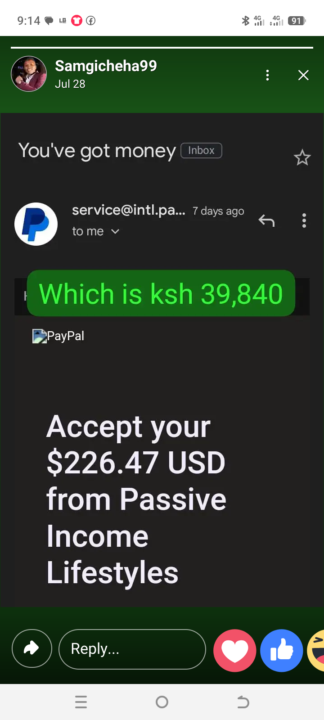
Congratulations
Hope this was one of our coachs first income. How much did you invest to get this?
14d •
Whom should members pay much attention
Sam Gicheha are two here, members be carefull. Impersonation is real.
1-30 of 5,589

skool.com/samgicheha
Helping Beginners and digital marketers make more money in the online education industry and live their best life.
Leaderboard (30-day)
1
+367
2

+134
3

+132
4

+106
5

🔥
+96
Powered by