
Write something

3d •
My set up
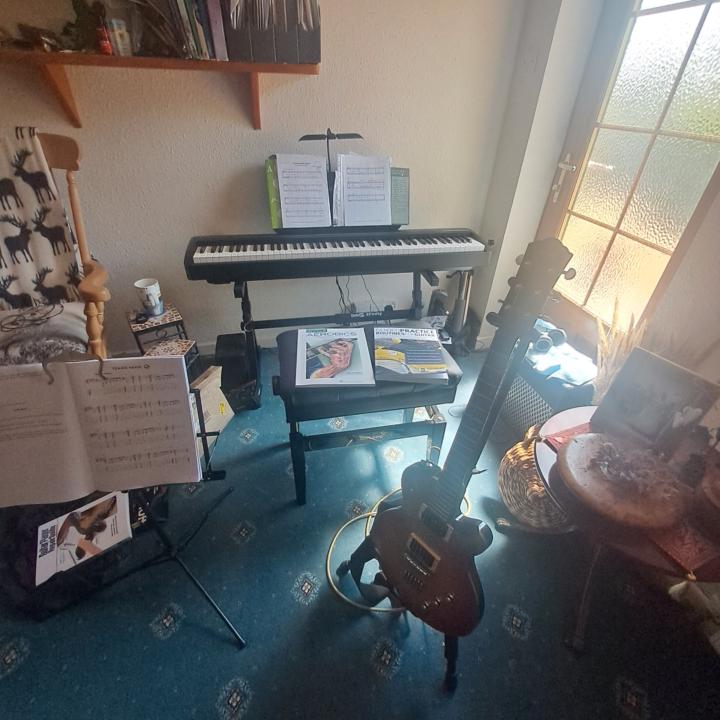
I promised I'd share more about my guitar playing. So here it is!! This space is actually larger than what you can see. The area used to be my office, but since retiring I've been allowed by the Management to keep a space for my music!! Actually, I like it because I'm out of the way 🙂 Normally the guitar faces the other way, turned round for the photo. As you can see, I also play the piano. Those are the books I am using to get back into the guitar and the Blues. The one pictured on its own is the Aerobics book. Whilst on the subject, I do have a question: Should I strike the strings using wrist movement or movement from the elbow? Or is it a personal choice? I am making myself use the elbow to move up and down the strings with right hand. Suggestions and advice appreciated Cheers
12d •
Random Song/Chart Shares
So I was looking up some of the songs that I’ve taught others over the years, mostly chords/charts, and I was looking to archive them. Well turns out there are hundreds! So I figured, might be fun to share with the community. Random Song, as it was presented to that student. Some I don't even remember teaching but apparently I did. Each day (or so) I’ll post a screenshot of one such session. Not saying it will be useful… but maybe some are better than others!
Apr 1 •
Kicking Things Off! (Introductions)
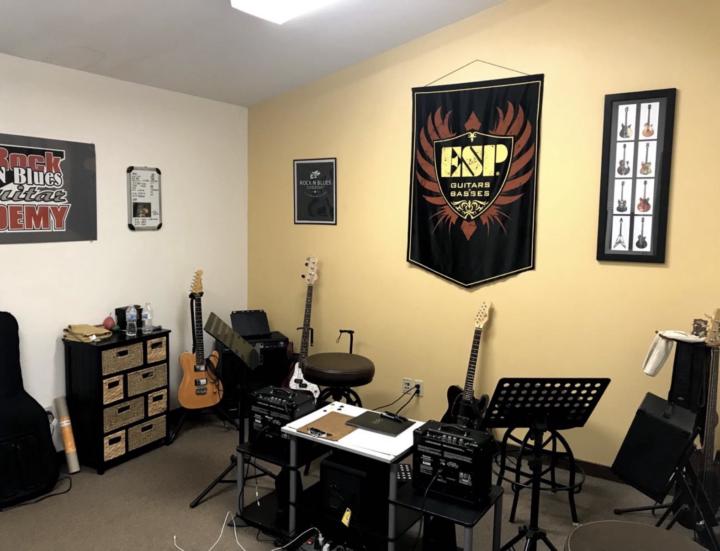
I’ll start things off! I’m Sean, a guitar instructor from Texas, I have been teaching since the mid 90s. I’ve had a brick and mortar Guitar Academy since 2004. I’ve been teaching online since 2009. Tell me about you! I’d love to hear your story! Doesn’t have to be elaborate, just what you play how long, any favorite guitars or bands or passions, and anything else you’d like to share! I was a fixture in the Musicians Talk Forum on Ultimate Guitar, which many of you have probably heard of. This was where we all talked music theory and helped other guitarists. I’ve made many great friendship over the years from people there! Currently, I am one of the leaders in the Facebook community “Guitar and Music Theory” which has over 100k members. Beyond all of that, helping others is a passion of mine, and I have been fortunate to have picked up some very unique insights about music and making it easy for others to do the same. I really just want to grow a really tight knit community of like minded players, and hang out, help one another, so if you’d like to join in, welcome aboard, and I hope to be a positive influence in your own guitar journey. One thing that I hope we can do are those virtual meetups, where we just hang out and talk about whatever. and I’m excited to see where that goes. Below is a picture of my studio, where I’ve been teaching out of since 2016. Look forward to getting to know everyone and making new friends!

5d •
Well, my wife has deep brown Hazel eyes
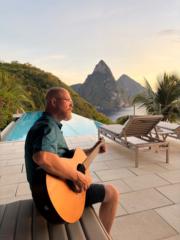
Gotta love a singalong with Van the man Morrison! cheers all!

1-30 of 83
powered by
skool.com/rock-n-blues-guitar-academy-5681
A Free Online Guitar Community with friendly people that love guitar. We talk gear, learn, jam together and all levels are welcome! Come join us!
Suggested communities
Powered by