
Write something

30d •
Starting a Filly: Building Trust From the Ground Up
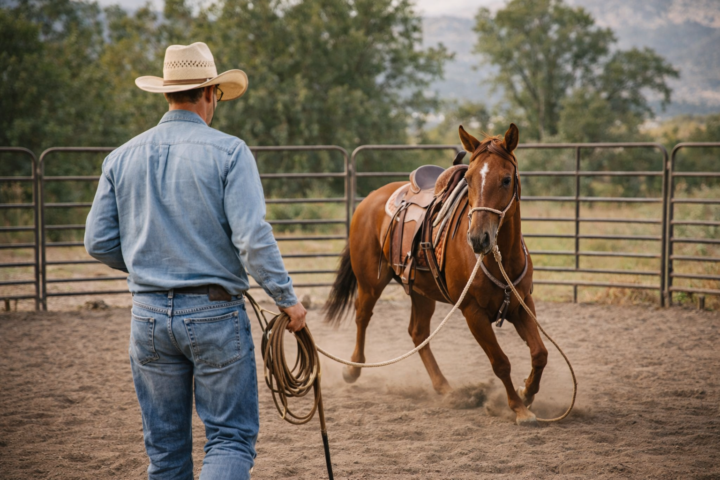
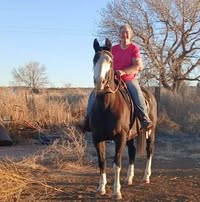
Starting a young horse is one of the most rewarding—and delicate—experiences in horsemanship. When working with a young filly, the foundation you build early will shape her behavior, confidence, and willingness for years to come. A thoughtful, patient approach rooted in trust and communication makes all the difference. The First Steps: Connection and Groundwork The process begins on the ground. In the early days, the focus is not on riding but on building a relationship. Simple exercises like leading, backing up, and lunging help establish communication and respect. These foundational movements teach the horse to respond to pressure and cues in a calm, controlled way. Desensitization is also a key part of the early stages. Introducing the horse to new sensations—such as ropes, movement, and eventually tack—helps her become more confident and less reactive. The goal is not to overwhelm her, but to gently show her that new experiences are safe. Introducing the Saddle Once the groundwork is established, the next step is introducing the saddle. This is done gradually, allowing the filly to get used to the weight, the feel of the stirrups, and the movement of the equipment. Repeating familiar groundwork exercises with the saddle on helps her stay relaxed and focused. This stage is all about comfort and confidence. Rushing can create fear, while patience builds trust. The First Ride The first ride is a major milestone, but it should feel like a natural progression rather than a big, stressful event. Because of the groundwork and preparation, the filly is already familiar with cues like lateral flexion and movement. When the rider finally gets in the saddle, the goal is simple: - Stay calm - Keep movements soft - Focus on a relaxed walk A successful first ride isn’t about performance—it’s about creating a positive, stress-free experience that builds confidence for both horse and rider. Progressing Slowly After the first ride, progress continues with short, positive sessions. The filly begins to respond more to subtle cues, becoming softer and more attentive. Horses at this stage are incredibly sensitive, often reacting to small shifts in balance or pressure.
30d •
Caring for Western Performance Horses: What Every Owner Should Know
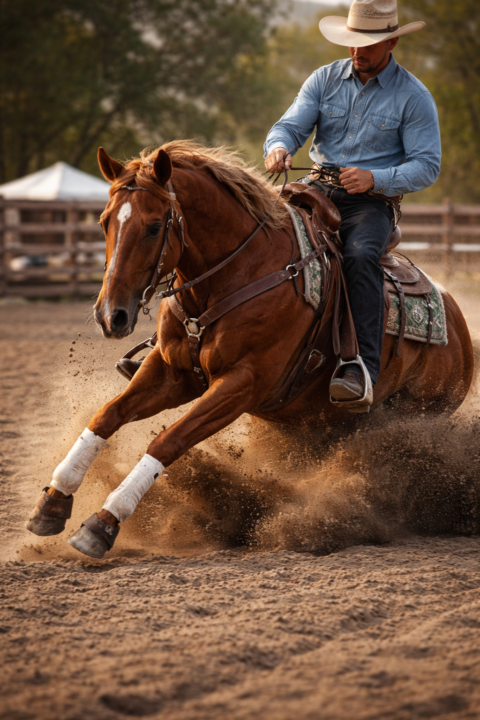
Western performance horses—especially breeds like Quarter Horses—are powerful, athletic animals built for speed, agility, and precision. Whether they’re reining, cutting, roping, or running barrels, these horses are asked to perform demanding movements that put stress on their bodies. Proper care and management are essential to keep them healthy, strong, and performing at their best. Understanding the Demands of Western Disciplines Western performance events require quick stops, sharp turns, and explosive acceleration. These movements place significant strain on joints, tendons, and muscles—especially in the hind end, which acts as the horse’s “engine.” Because of this, owners and trainers must pay special attention to how their horse is built and conditioned. Strong muscle structure, proper conformation, and balanced movement all play a role in long-term soundness and performance. The Importance of the Hind End In Western disciplines, much of the power comes from the hindquarters. Movements like sliding stops and spins rely heavily on this area, making it one of the most critical parts of the horse’s body to monitor. Horses with strong backs and well-developed hindquarters are better able to handle the physical demands of these events. Conditioning programs often focus on strengthening these areas to improve both performance and durability. “No Foot, No Horse” One of the most important principles in horse care is proper hoof management. Regular farrier work is essential to maintain balance and prevent injury. If a horse’s hooves are not trimmed or shod correctly, it can lead to uneven movement and increased strain on tendons and ligaments. Even small delays in hoof care can cause problems over time, especially in high-performance horses. Consistent hoof care ensures that the horse lands evenly and moves efficiently—both critical for preventing injuries. Conditioning and Consistency Just like human athletes, horses need consistent conditioning to stay in peak form. This includes:
30d •
Raising Young Horses the Right Way: Preventing Injury Before It Starts
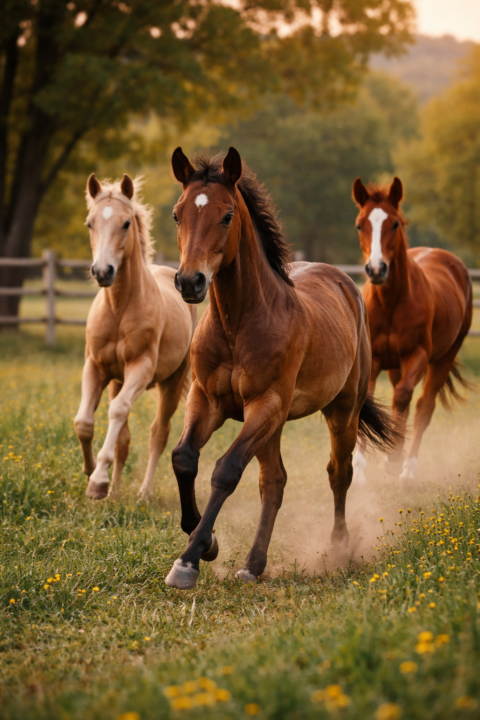
Raising a young horse is an exciting journey, but it also comes with important responsibilities. One of the biggest concerns for horse owners is preventing injuries—especially lameness—which can be costly, stressful, and difficult to recover from. The good news is that many of these issues can be avoided with the right approach from the very beginning. Start With Prevention, Not Repair One of the most important ideas in raising young horses is to focus on prevention rather than treatment. Lameness in the equine industry is not only a welfare concern but also a significant financial burden. Instead of waiting for problems to appear, proper training and management can help avoid injuries altogether. Movement Is Essential for Development Contrary to what many people believe, young horses benefit from early, moderate exercise. Research shows that controlled activity actually strengthens bones, tendons, ligaments, and cartilage while the horse is still growing. This development phase is critical. If a horse doesn’t receive proper movement during its early years, it may never fully develop the strength needed for future performance. Exercise helps build a solid foundation that supports long-term soundness. Avoid the Dangers of Too Much Stalling One of the biggest mistakes owners make is keeping young horses confined for long periods. Horses that are stalled too often can develop weaker bones, thinner cartilage, and a higher risk of injury. Turnout and pasture access allow horses to move naturally, run, and strengthen their bodies. Even simple daily movement plays a huge role in keeping a horse healthy and resilient. Timing Matters: Don’t Start Too Late There is ongoing debate about when to begin training young horses. While some believe in waiting until full maturity, research suggests that starting too late can actually limit a horse’s development. Early, controlled training helps bones and tissues adapt to stress while they are still growing. Waiting too long may result in weaker structures that are more prone to injury later in life.
1-3 of 3

skool.com/quarterhorse
Welcome to the digital barn for horse lovers at every level. Real advice. Real stories. Real community. No experience required- just a love for horses
Leaderboard (30-day)
1
+2
2
+1
3

+1
Powered by