Activity
Mon
Wed
Fri
Sun
May
Jun
Jul
Aug
Sep
Oct
Nov
Dec
Jan
Feb
Mar
What is this?
Less
More
Owned by Jason
Welcome to the digital barn for horse lovers at every level. Real advice. Real stories. Real community. No experience required- just a love for horses
Memberships
Academy of Advertising
2.4k members • Free
Skoolers
191.7k members • Free
ECOM MRR (1000 Recurring Mbrs)
102 members • $197/month
7 contributions to The Western Horse Circle

12d •
Show Us Your Horse!
Every horse has a story… Drop a photo of your horse 👇 • Name • Age • Favorite thing about them
0 likes • 12d
One of many, this is Rusty. Rusty is about 12 now. He's not athletic, he's not got great confirmation but he has heart and is curious! He is calm and chill about everything. He sticks his head out of the trailer window way too far trying to check out cars.... and gets photographed ALOT when transporting!
12d •
How Did You Get Into Horses?
Everyone’s journey is different… Share your story! What got you into horses?
0 likes • 12d
I bought a horse before I bought a car! As with many horse people, it was in my blood. I have done everything wrong with horses to find out what not to do and and horses have been some of my greatest teachers in life, they are such a reflection. I got out of horses for a number of years and then got gifted a horse. A person I had just recently met emailed me to say that she had a horse that she felt "belonged to me". It took me a bit to take her seriously--the horse was in British Columbia (24 hours away). When i finally met the horse named Shadow-and yes he was black) I knew why the horse belonged to me within 10 minutes. He did belong to me. He was one my greatest teachers in discovering myself but the connection I had with him (he is no longer living) was something I have never experienced with a horse yet again but he opened up a whole world to me in terms of the course life took me on.
12d •
Best Advice You’ve Ever Been Given?
Sometimes one tip changes everything… What’s the BEST horse advice you’ve ever received?
0 likes • 12d
"Quit yelling at your horse!" was one. I didn't know what he meant because I wasn't yelling but it took me a bit to figure out my "energy" was yelling. That took me on a years long journey of discovering the energy I operated by and transforming me as a person. Secondly, "A horse doesn't care how much you know until it knows how much you care!" What a shift of perspective!
12d •
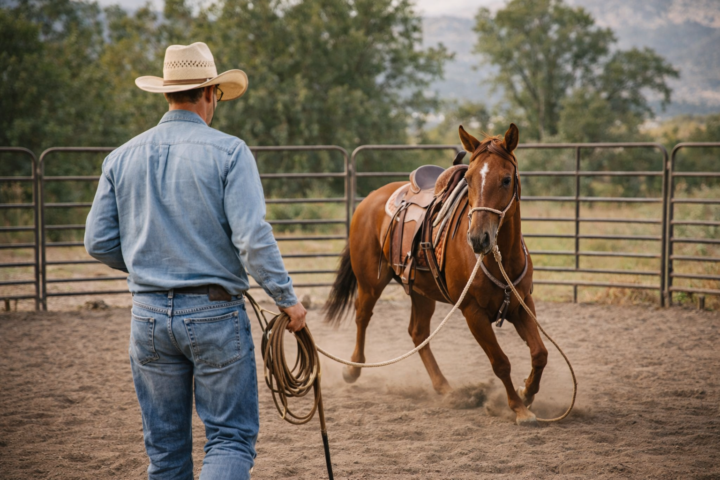
Starting a Quarter Horse Filly: Building Trust From the Ground Up
Starting a young horse is one of the most rewarding—and delicate—experiences in horsemanship. When working with a Quarter Horse filly, the foundation you build early will shape her behavior, confidence, and willingness for years to come. A thoughtful, patient approach rooted in trust and communication makes all the difference. The First Steps: Connection and Groundwork The process begins on the ground. In the early days, the focus is not on riding but on building a relationship. Simple exercises like leading, backing up, and lunging help establish communication and respect. These foundational movements teach the horse to respond to pressure and cues in a calm, controlled way. Desensitization is also a key part of the early stages. Introducing the horse to new sensations—such as ropes, movement, and eventually tack—helps her become more confident and less reactive. The goal is not to overwhelm her, but to gently show her that new experiences are safe. Introducing the Saddle Once the groundwork is established, the next step is introducing the saddle. This is done gradually, allowing the filly to get used to the weight, the feel of the stirrups, and the movement of the equipment. Repeating familiar groundwork exercises with the saddle on helps her stay relaxed and focused. This stage is all about comfort and confidence. Rushing can create fear, while patience builds trust. The First Ride The first ride is a major milestone, but it should feel like a natural progression rather than a big, stressful event. Because of the groundwork and preparation, the filly is already familiar with cues like lateral flexion and movement. When the rider finally gets in the saddle, the goal is simple: - Stay calm - Keep movements soft - Focus on a relaxed walk A successful first ride isn’t about performance—it’s about creating a positive, stress-free experience that builds confidence for both horse and rider. Progressing Slowly After the first ride, progress continues with short, positive sessions. The filly begins to respond more to subtle cues, becoming softer and more attentive. Horses at this stage are incredibly sensitive, often reacting to small shifts in balance or pressure.
0 likes • 12d
I am a believer in creating willing relationships with horses--not "training"! I believe that respecting a horse as though you do a person brings an energy into the relationship that is transformative! As one of my mentors said to me..."a horse doesnt care how much you know until it knows how much you care!"
12d •
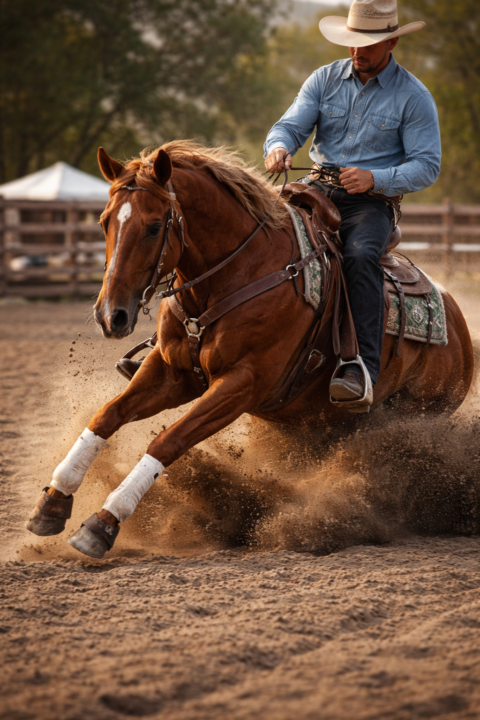
Caring for Western Performance Horses: What Every Owner Should Know
Western performance horses—especially breeds like Quarter Horses—are powerful, athletic animals built for speed, agility, and precision. Whether they’re reining, cutting, roping, or running barrels, these horses are asked to perform demanding movements that put stress on their bodies. Proper care and management are essential to keep them healthy, strong, and performing at their best. Understanding the Demands of Western Disciplines Western performance events require quick stops, sharp turns, and explosive acceleration. These movements place significant strain on joints, tendons, and muscles—especially in the hind end, which acts as the horse’s “engine.” Because of this, owners and trainers must pay special attention to how their horse is built and conditioned. Strong muscle structure, proper conformation, and balanced movement all play a role in long-term soundness and performance. The Importance of the Hind End In Western disciplines, much of the power comes from the hindquarters. Movements like sliding stops and spins rely heavily on this area, making it one of the most critical parts of the horse’s body to monitor. Horses with strong backs and well-developed hindquarters are better able to handle the physical demands of these events. Conditioning programs often focus on strengthening these areas to improve both performance and durability. “No Foot, No Horse” One of the most important principles in horse care is proper hoof management. Regular farrier work is essential to maintain balance and prevent injury. If a horse’s hooves are not trimmed or shod correctly, it can lead to uneven movement and increased strain on tendons and ligaments. Even small delays in hoof care can cause problems over time, especially in high-performance horses. Consistent hoof care ensures that the horse lands evenly and moves efficiently—both critical for preventing injuries. Conditioning and Consistency Just like human athletes, horses need consistent conditioning to stay in peak form. This includes:
0 likes • 12d
No foot, no horse! So true, as a farrier I have seen it first hand!
1-7 of 7
Active 18h ago
Joined Mar 19, 2026
Powered by